

Best Summer-Blooming Perennials and Shrubs for North Carolina (Long-Blooming, Heat-Tough Color)
By Ken Erickson · Updated June 2026
The best summer blooming perennials are the ones that keep going when July heat makes everything else quit. Spring color is easy – everything blooms when it is cool and mild. The real test is July and August, when the heat and humidity roll in and a lot of plants just quit. The trick to a yard that looks good all summer is choosing plants that were built for it: heat-tough, drought-tolerant, and long-blooming. Here are the summer performers that actually deliver in our Triangle climate, most of them native and loved by pollinators.
Key takeaways
- The best NC summer color comes from plants that shrug off heat, humidity, and clay – coneflower, black-eyed Susan, coreopsis, salvia, daylily, and crepe myrtle top the list.
- Native picks like coneflower, black-eyed Susan, coreopsis, and bee balm do double duty: long bloom plus they feed local bees, butterflies, and birds.
- Most of these want full sun (6 or more hours) and sharp drainage – wet clay is the number-one killer, so amend or raise the bed.
- A midsummer shearing on salvia, catmint, and coreopsis buys a second flush and stretches color into fall.
- Layer perennials with summer shrubs – panicle hydrangea and crepe myrtle – for structure plus months of bloom from June through September.
Summer Blooming Perennials: What Makes a Good Summer Bloomer in NC?
We sit in the transition zone, which means our summers bring both brutal heat and heavy humidity – a combination that scorches some plants and rots others with mildew. The winners here take the heat without wilting, resist the humidity-driven diseases, and handle our heavy clay. And here is the local truth national plant lists miss: in North Carolina, wet clay kills more of these plants than cold ever will. Give them full sun and good drainage – amend the clay or raise the bed – and they will bloom for months. The table below sorts the reliable ones.
The best long-blooming summer plants at a glance
Plant | Sun | Bloom time | Native? |
|---|---|---|---|
Purple coneflower | Full sun | June to August | Yes |
Black-eyed Susan | Full sun | Midsummer to fall | Yes |
Threadleaf coreopsis | Full sun | Late spring to summer | Yes |
Bee balm | Sun to part shade | Early to midsummer | Yes |
Joe Pye weed | Sun to part shade | Midsummer to fall | Yes |
Salvia | Full sun | Late spring to fall | No |
Daylily | Full sun | Summer | No |
Catmint | Full sun | Late spring, reblooms | No |
Panicle hydrangea | Full sun | Summer | No |
Crepe myrtle | Full sun | July to September | No |
Native perennials that bloom all summer (and feed pollinators)
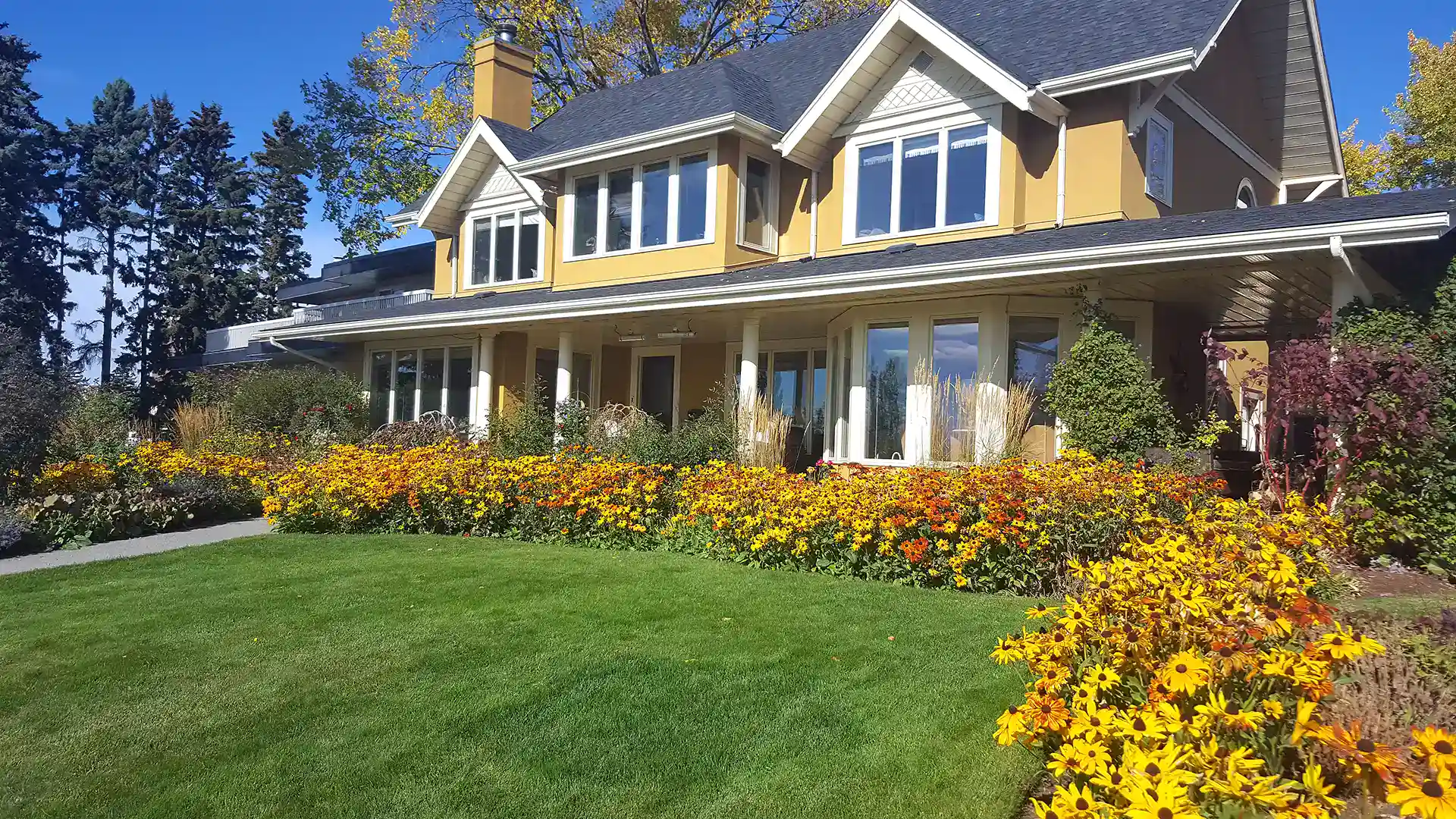
If you plant nothing else, plant these – they are tough, long-blooming, and they bring the yard alive with bees and butterflies. Purple coneflower and black-eyed Susan are the backbone of a Southern summer bed, blooming for months and feeding pollinators the whole time, then feeding goldfinches with their seed heads in fall. Threadleaf coreopsis is a cloud of yellow that just keeps going. Bee balm draws hummingbirds, and Joe Pye weed is a big, late-summer butterfly magnet for the back of a bed. All of them are native, which means they evolved for exactly our heat and rain.
Best full-sun perennials for nonstop color
Beyond the natives, a few well-adapted non-natives earn their place in a hot, sunny bed. Salvia blooms from late spring well into fall, especially if you shear it back after the first flush. Daylilies are as tough as they come and give you a solid month of bloom (rebloomers stretch it further). Catmint makes a soft, long-blooming edge, and Russian sage and blanket flower actually prefer the lean, hot, dry spots where fussier plants struggle. These are the plants for the sun-baked strip along the driveway or the south side of the house.
Summer-flowering shrubs for structure and color
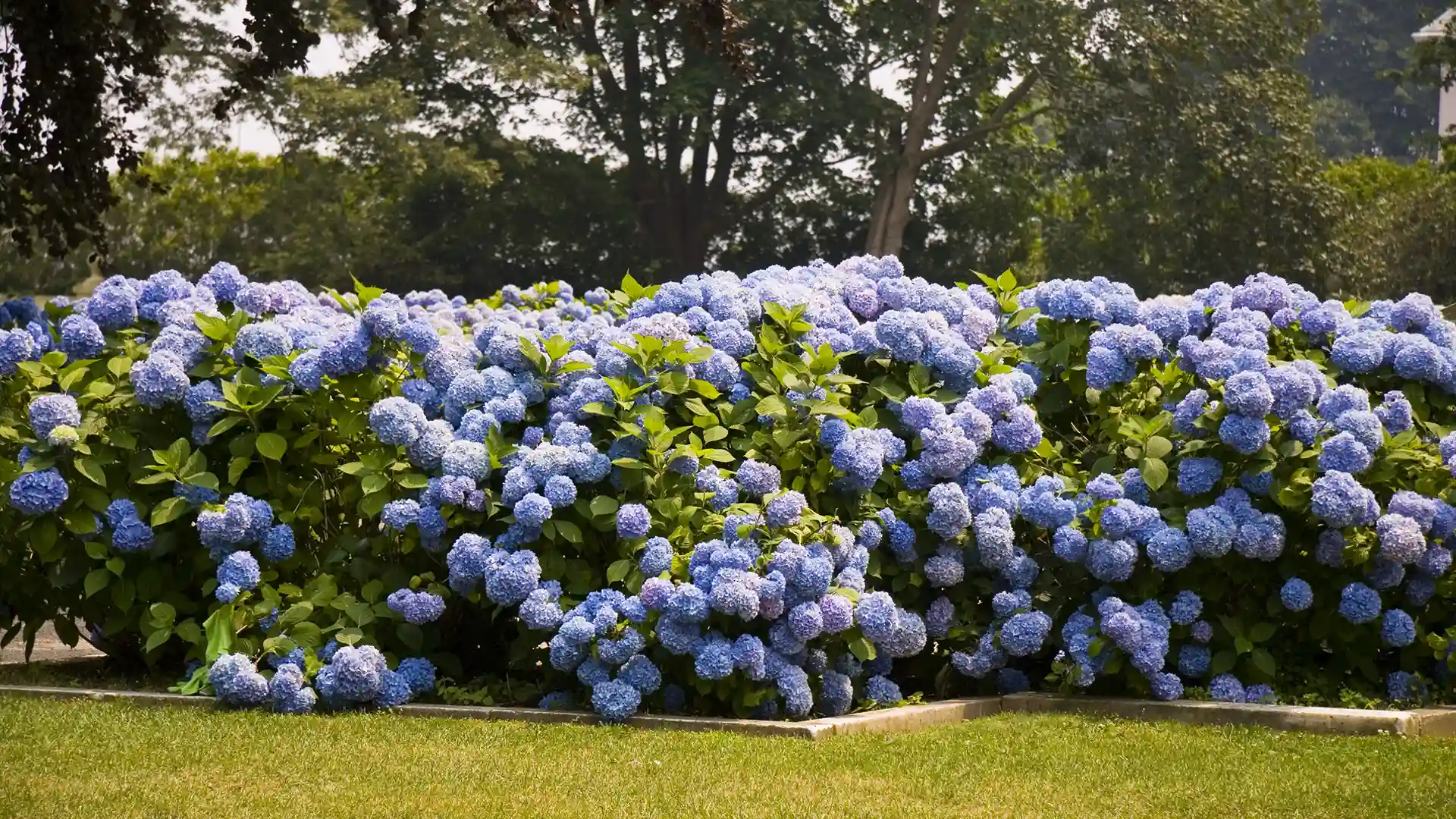
Perennials give you the color, but shrubs give you the bones – and two of them bloom all summer. Panicle hydrangea (the Limelight types) takes more sun than the classic blue mophead, blooms on new growth so a late freeze can not rob it, and carries big white cones from summer into fall. Crepe myrtle is the flower of the Southern summer, blooming for weeks from July into September – just pick a variety sized to your spot so you never have to top it. Layer a couple of these behind your perennials and the bed has height, structure, and months of bloom instead of a flat sea of flowers.
Best plants for pollinators and butterflies
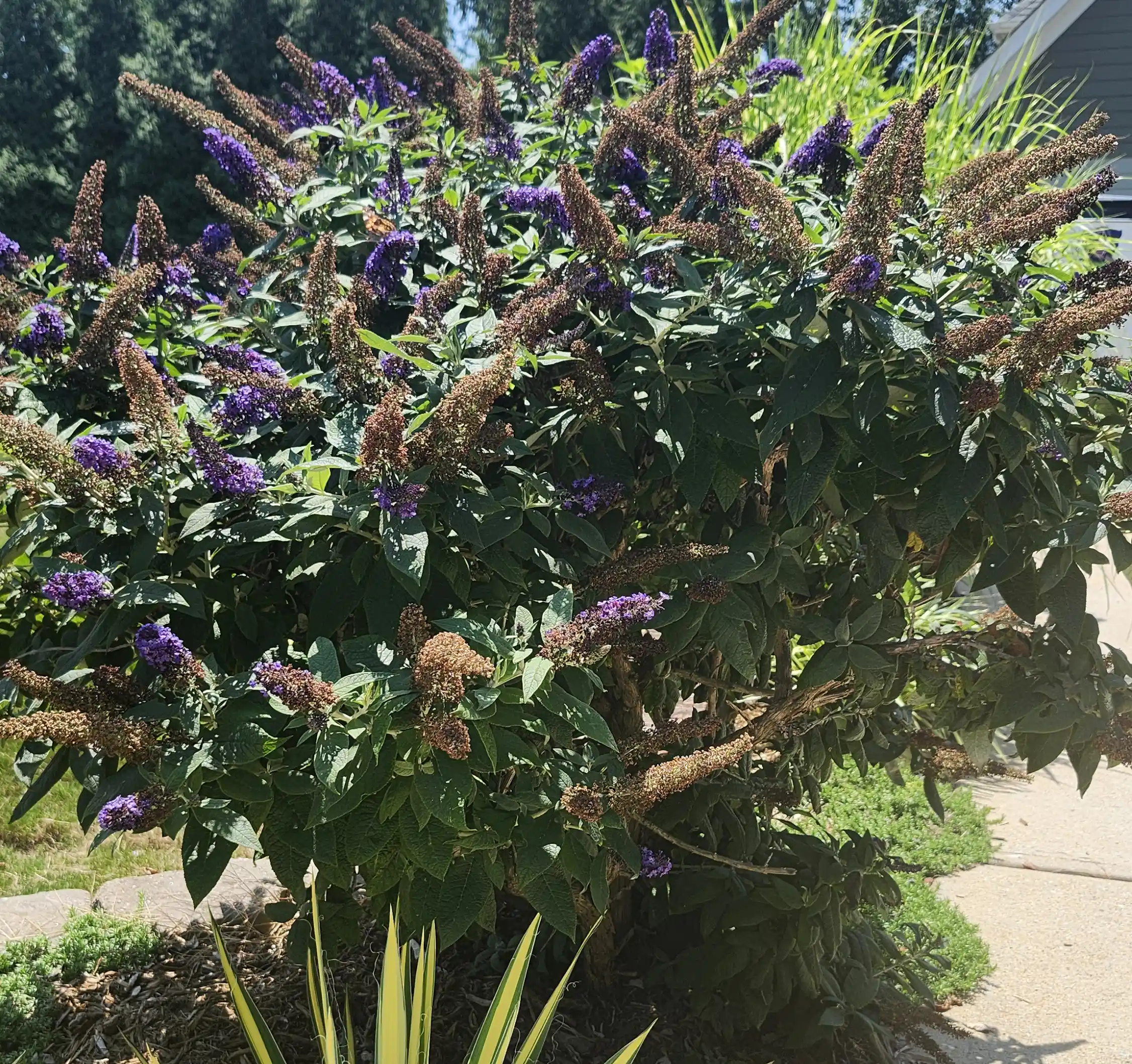
If drawing bees, butterflies, and hummingbirds is the goal, weight your bed toward the natives. Coneflower, black-eyed Susan, and coreopsis are pollinator magnets all summer; bee balm and salvia bring in the hummingbirds; and Joe Pye weed and late asters carry the show into fall when pollinators need the fuel most. A quick, honest word on butterfly bush: it is a great nectar plant, but some types seed aggressively, so if you want one, choose a sterile or low-seed cultivar. Plant a mix that blooms from early summer straight through fall and you will keep the pollinators coming the whole season.
Keeping the color going: deadheading and cutbacks
A little upkeep stretches the show. Deadhead spent blooms to keep plants flowering, and around midsummer shear salvia, catmint, and coreopsis back by about half for a fresh second flush that carries into fall. Go easy on the fertilizer – lean soil actually means more flowers and less floppy growth. Water deeply while things establish, then most of these are drought-tolerant. If you would rather have a designed bed that looks good June through September without the guesswork, that is what we do – text us at 984-284-5399 and we will plan summer color that survives our clay and heat.
Frequently Asked Questions
Want Color That Lasts All Summer?
We design and plant summer beds that actually survive our clay and heat – long-blooming perennials and shrubs, weighted toward pollinator-friendly natives. Text us to plan yours.
Sources
NC State Extension Gardener Plant Toolbox – Echinacea purpurea
NC State Extension Gardener Plant Toolbox – Hydrangea paniculata
NC Cooperative Extension – Crepe Myrtles
North Carolina Wildlife Federation – Native Pollinator Plants
