

Licensed and Insured.
Centipede and St. Augustine Lawn Maintenance Plans
Fewer weeds, thicker turf — handled in eight timed visits.
Lawn Panther runs a licensed 8-round weed control and fertilization program for lawns across Raleigh’s southern suburbs — Fuquay-Varina, Holly Springs, Apex, Cary, Garner, and nearby towns. The full season starts at $49 for yards up to 2,000 sq ft, about $59 up to 4,000, and $79 for an average ~8,000 sq ft lawn — priced by treatable area, and your first treatment is $10 off when you text WEED. We’re licensed by the state of North Carolina to apply herbicides and fertilizer on turf. Call or text 984-284-5399 for a fast quote.
Holly Springs · Apex · Cary · Garner · Fuquay-Varina · Angier · Willow Spring · Lillington · South Raleigh
What’s Included in Each Program?
Every lawn gets our Core 8-round weed control and fertilization.
Core | Complete | Signature | |
|---|---|---|---|
Crabgrass Control Treat and eliminate invasive crabgrass | |||
Broadleaf Weed Control Keep your lawn free of big weeds | |||
Nutsedge and Crabgrass Spot Control Keep your lawn free of grassy weeds | |||
Fertilizer Balanced fertilizer for a lush and green lawn | |||
Fall Pre-Emergent Eliminate Poa and winter weed for a clean spring | |||
Lime by Soil Test Maintain pH and withstand disease | |||
Potash/Potassium Feed the roots for healthy turf | |||
Disease Control Control grubs and army worms | |||
Fungicide Prevent large patch | |||
Number of applications/year | 8 | 9 | 11 |
Our 8-round core program, priced by lawn size. No contract.
Centipede and St. Augustine Lawn Maintenance Plans
Keeping your Centipede and St. Augustine lawn healthy and beautiful is easier than ever with our maintenance plans
Round One Application (mid-February to early March)
Lays down the first pre-emergent barrier to stop crabgrass and summer annual weeds before they germinate, while cleaning up winter broadleaf weeds like chickweed, henbit, and clover during dormancy.
Round Two Service (mid-April to early May)
A second pre-emergent extends the crabgrass barrier through summer, and post-emergent control clears spring broadleaf weeds once the lawn has greened up.
Round Three Application (mid- to late May)
The one feeding centipede gets all year, timed for mid-May once the lawn is fully green. A partly time-release fertilizer with iron builds color and density without forcing the soft growth centipede cannot handle. St. Augustine lawns get a lighter rate here and extra feedings through summer.
Round Four Application (early June)
Targeted spot treatment controls actively growing nutsedge and kyllinga — only where they’re growing. St. Augustine lawns also get a light feeding; centipede does not.
Round Five Application (July)
Heat-season spot treatment for broadleaf weeds, nutsedge and kyllinga, applied carefully to control weeds while keeping stress off the lawn through peak summer. St. Augustine lawns also get their summer feeding.
Round Six Application (late August)
The key fall barrier that prevents poa annua and other winter weeds from coming up in the winter and sprouting in the spring, plus a fall potassium application to strengthen roots and cold tolerance heading into dormancy.
Round Seven Application (late October)
A follow-up pre-emergent about 45 to 60 days after Round Six reinforces the barrier and extends winter-weed prevention — including poa annua — through late fall and winter.
Round Eight Application (mid-November to December)
A post-emergent treatment clears winter weeds like annual bluegrass, henbit and chickweed while the lawn is dormant. Lime is applied only when a soil test calls for it.
Round One Weed Application (mid-February to early March)
Lays down the first pre-emergent barrier to stop crabgrass and summer annual weeds before they germinate, while cleaning up winter broadleaf weeds like chickweed, henbit, and clover during dormancy.
Round Two Weed Application (mid-April to early May)
A second pre-emergent extends the crabgrass barrier through summer, and post-emergent control clears spring broadleaf weeds once the lawn has greened up.
Round Three Application (mid- to late May)
The one feeding centipede gets all year, timed for mid-May once the lawn is fully green. A partly time-release fertilizer with iron builds color and density without forcing the soft growth centipede cannot handle. St. Augustine lawns get a lighter rate here and extra feedings through summer.
Round Four Application (early June)
Targeted spot treatment controls actively growing nutsedge and kyllinga — only where they’re growing. St. Augustine lawns also get a light feeding; centipede does not.
Grub Control Application (late June)
This application is applied in late June. This application will provide control of turf damaging grubs for three months. Application will control the early and late grubs.
Round Five Application (July)
Heat-season spot treatment for broadleaf weeds, nutsedge and kyllinga, applied carefully to control weeds while keeping stress off the lawn through peak summer. St. Augustine lawns also get their summer feeding.
Round Six Application (late August)
The key fall barrier that prevents poa annua and other winter weeds from coming up in the winter and sprouting in the spring, plus a fall potassium application to strengthen roots and cold tolerance heading into dormancy.
Round Seven Application (late October)
A follow-up pre-emergent about 45 to 60 days after Round Six reinforces the barrier and extends winter-weed prevention — including poa annua — through late fall and winter.
Round Eight Application (mid-November to December)
A post-emergent treatment clears winter weeds like annual bluegrass, henbit and chickweed while the lawn is dormant. Lime is applied only when a soil test calls for it.
Round One Weed Application (mid-February to early March)
Lays down the first pre-emergent barrier to stop crabgrass and summer annual weeds before they germinate, while cleaning up winter broadleaf weeds like chickweed, henbit, and clover during dormancy.
Round Two Weed Application (mid-April to early May)
A second pre-emergent extends the crabgrass barrier through summer, and post-emergent control clears spring broadleaf weeds once the lawn has greened up.
Round Three Application (mid- to late May)
The one feeding centipede gets all year, timed for mid-May once the lawn is fully green. A partly time-release fertilizer with iron builds color and density without forcing the soft growth centipede cannot handle. St. Augustine lawns get a lighter rate here and extra feedings through summer.
Round Four Application (early June)
Targeted spot treatment controls actively growing nutsedge and kyllinga — only where they’re growing. St. Augustine lawns also get a light feeding; centipede does not.
Grub Control Application (late June)
This application is applied in late June. This application will provide control of turf damaging grubs for three months. Application will control the early and late grubs.
Round Five Application (July)
Heat-season spot treatment for broadleaf weeds, nutsedge and kyllinga, applied carefully to control weeds while keeping stress off the lawn through peak summer. St. Augustine lawns also get their summer feeding.
Round Six Application (late August)
The key fall barrier that prevents poa annua and other winter weeds from coming up in the winter and sprouting in the spring, plus a fall potassium application to strengthen roots and cold tolerance heading into dormancy.
Round One Fungus Application (September)
Large patch infects in the fall, when the soil cools and stays wet, even though the damage shows at spring green-up. This first fall fungicide goes down ahead of that window to protect the lawn before infection starts.
Round Two Fungus Application (early October)
The second fall fungicide, four to six weeks after the first, carries large patch protection through the rest of the fall infection window.
Round Seven Application (late October)
A follow-up pre-emergent about 45 to 60 days after Round Six reinforces the barrier and extends winter-weed prevention — including poa annua — through late fall and winter.
Round Eight Application (mid-November to December)
A post-emergent treatment clears winter weeds like annual bluegrass, henbit and chickweed while the lawn is dormant. Lime is applied only when a soil test calls for it.
Turf Management Pricing
Our CORE, COMPLETE, AND SIGNATURE programs, priced by lawn size. No contracts
If weeds show up between visits, you don’t have to figure it out on your own. Text us a photo and we’ll help identify the issue, explain what’s happening, and then take care of it for you. We know you have a lot of bigger companies out there to choose from, so we do it better.
CORE Plan
Starting at
Basic Weed Control
Based on a 2000 sq ft lawn
Most popular
COMPLETE Plan
Starting at
Save $20*
Best value — Weed + Grub Control
Text WEED for $10 off your first treatment.
*Save $20 over regular ala carte pricing when you upgrade to the COMPLETE program.
SIGNATURE Plan
Starting at
Save $80*
Covers Everything
Final price set by your treatable area.
*Save $80 over regular ala carte pricing when you upgrade to the Signature program.
A la Carte Options
These services can be added to a regular weed control and fertilization program when your lawn needs extra help with pests, turf health, soil improvement, or specific weed problems.
Pest Control
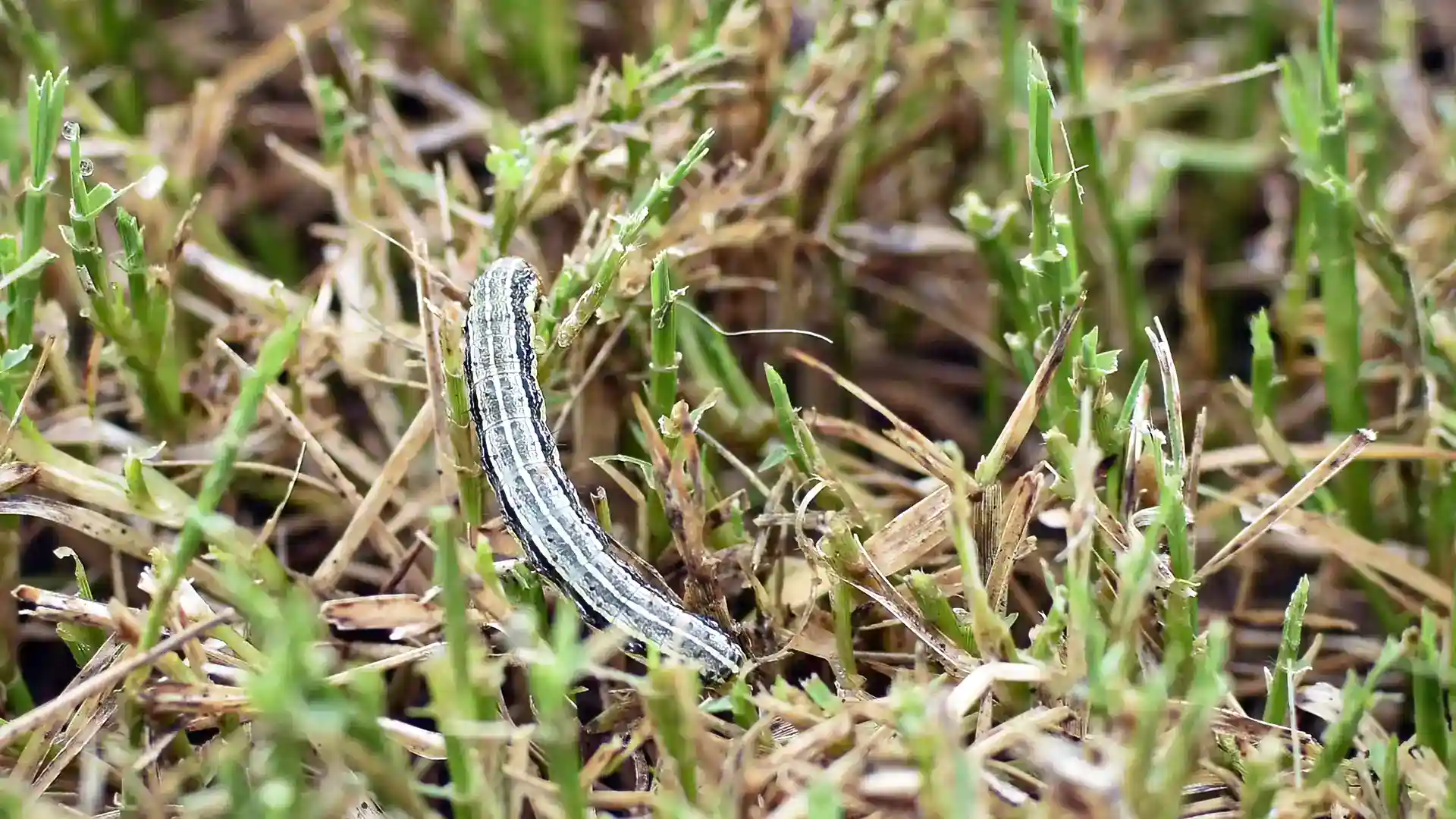
Armyworm Treatment
Armyworms are the caterpillars of moths in the Noctuidae family. They get their name from the way they congregate and march together in massive groups — once they strip one lawn, they move to the next like an invading army.
Pest Control
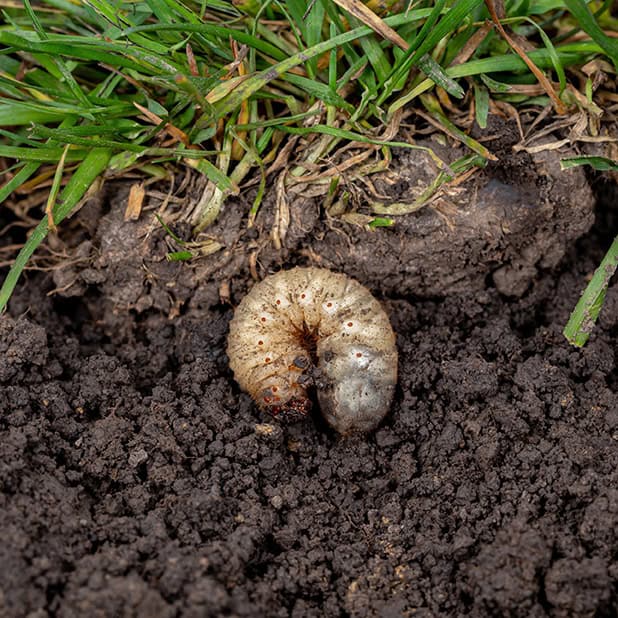
Grub Treatments
White grubs are the plump, C-shaped larval stage of beetles. They feed on grass roots and organic matter, causing patches of lawn to turn brown and die. In severe cases, the damaged turf can be rolled back like a carpet.
Pest Control
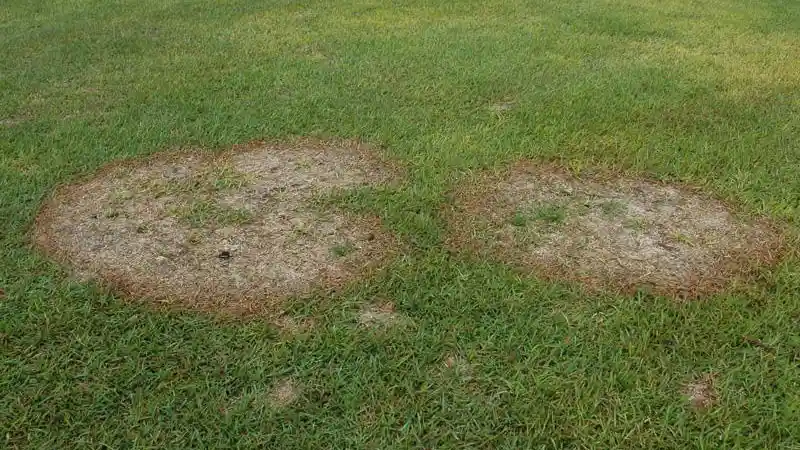
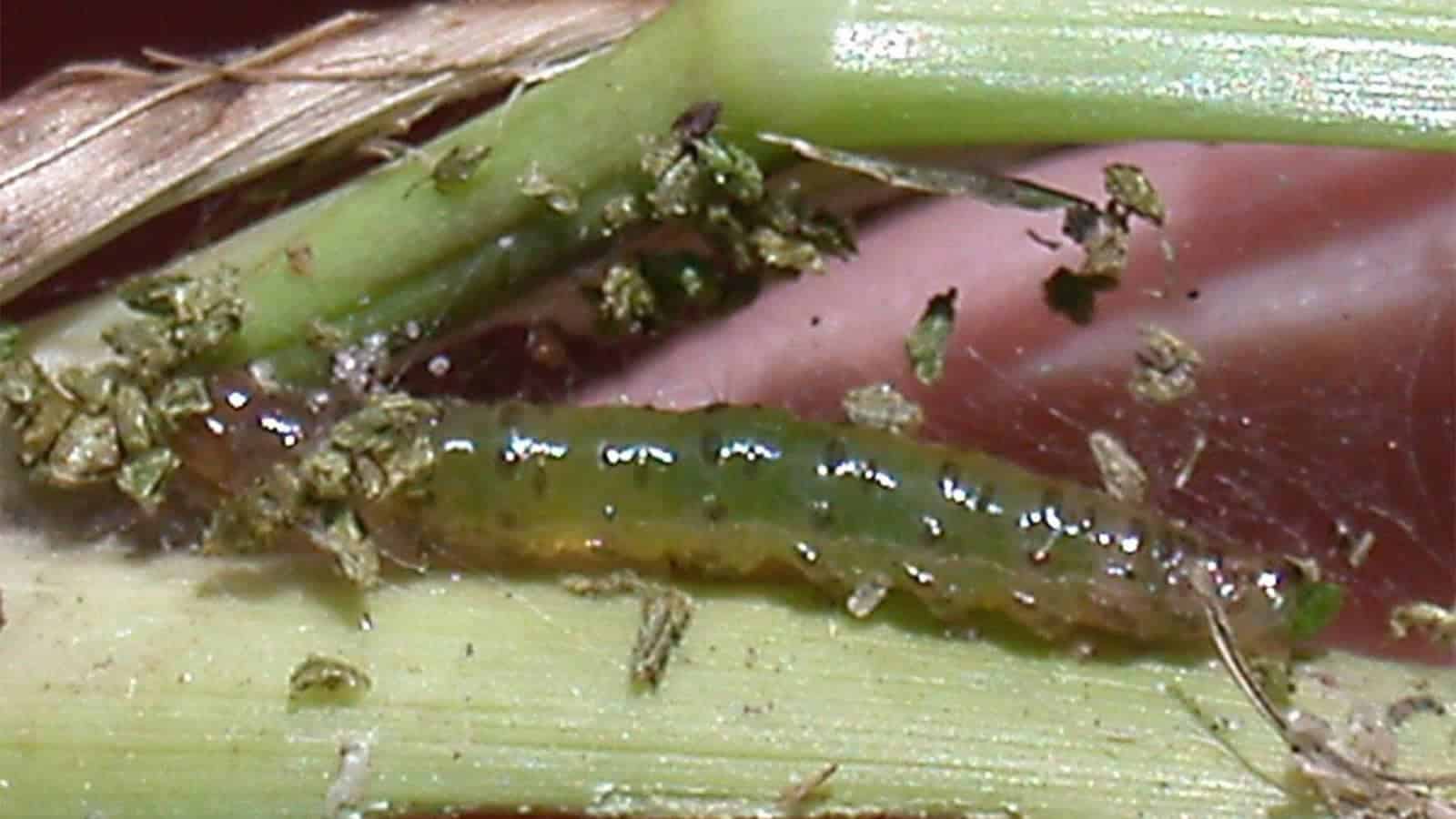
Sod Webworm
Sod webworms are the caterpillar stage of Crambinae family lawn moths that feast on turfgrass leaves and stems. The adult moths are harmless to your grass, but their larvae can quickly devour entire sections of the lawn. They thrive in hot, dry conditions and target both cool-season and warm-season grasses.


Disease Control
Gray Leaf Spot
Gray leaf spot is a fungal disease (Pyricularia grisea) that hits St. Augustine and centipede in hot, humid summer weather. It shows up as small gray-to-brown oval spots with dark borders on the leaf blades, and under heat and prolonged leaf wetness it can spread fast and thin large areas. Excess nitrogen and frequent evening watering make it worse.

Core Aeration
Core aeration helps relieve soil compaction and improve the movement of air, water, and nutrients into the root zone. This service supports healthier turf and better overall lawn performance.

Lawn Overseeding
Lawn overseeding helps improve density, fill in thin areas, and support a thicker lawn
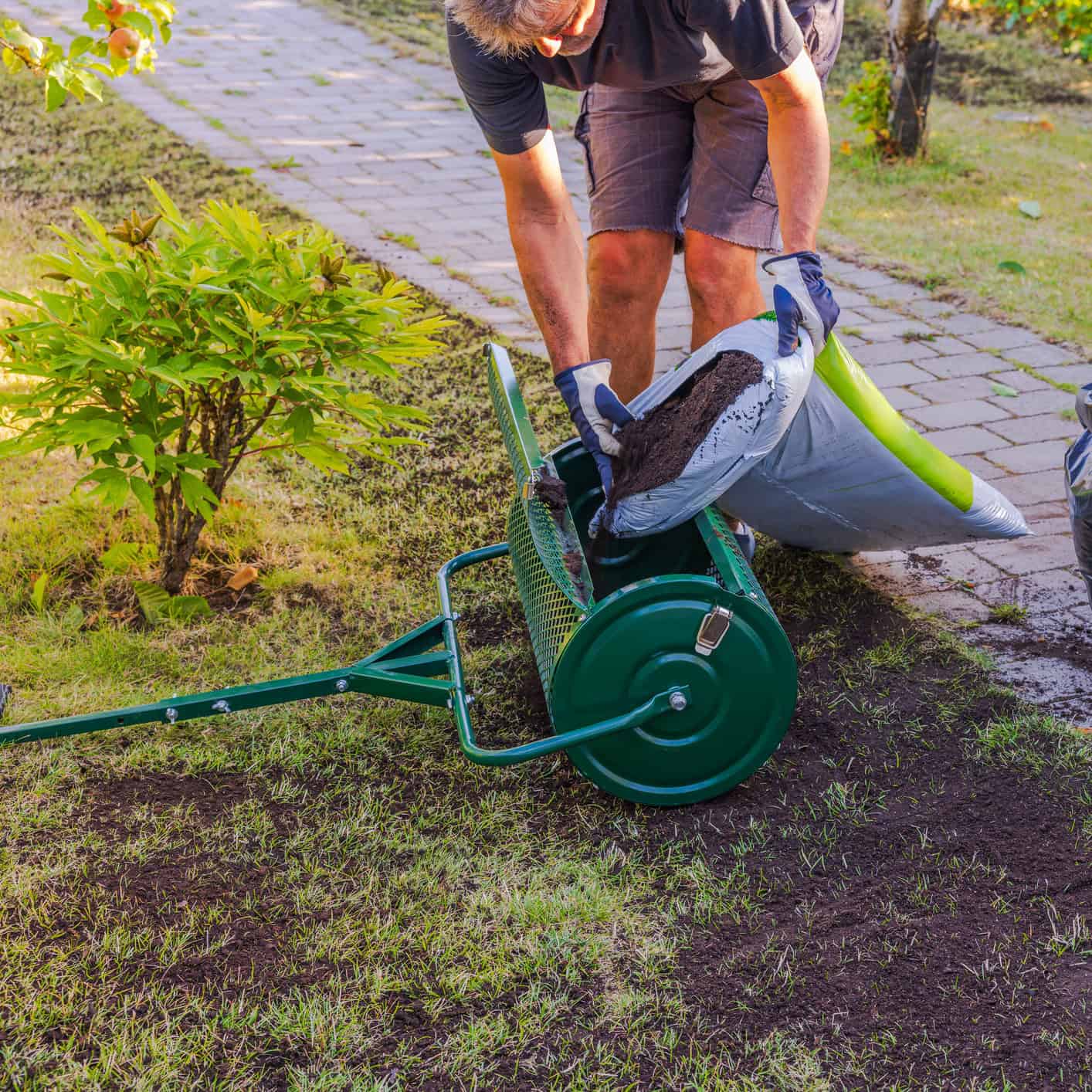
Lawn Top Dressing
Lawn top dressing improves soil structure, smooths minor low spots, and feeds soil life. Worked in right after aeration, a compost-and-sand blend steadily builds better soil on tough NC clay.
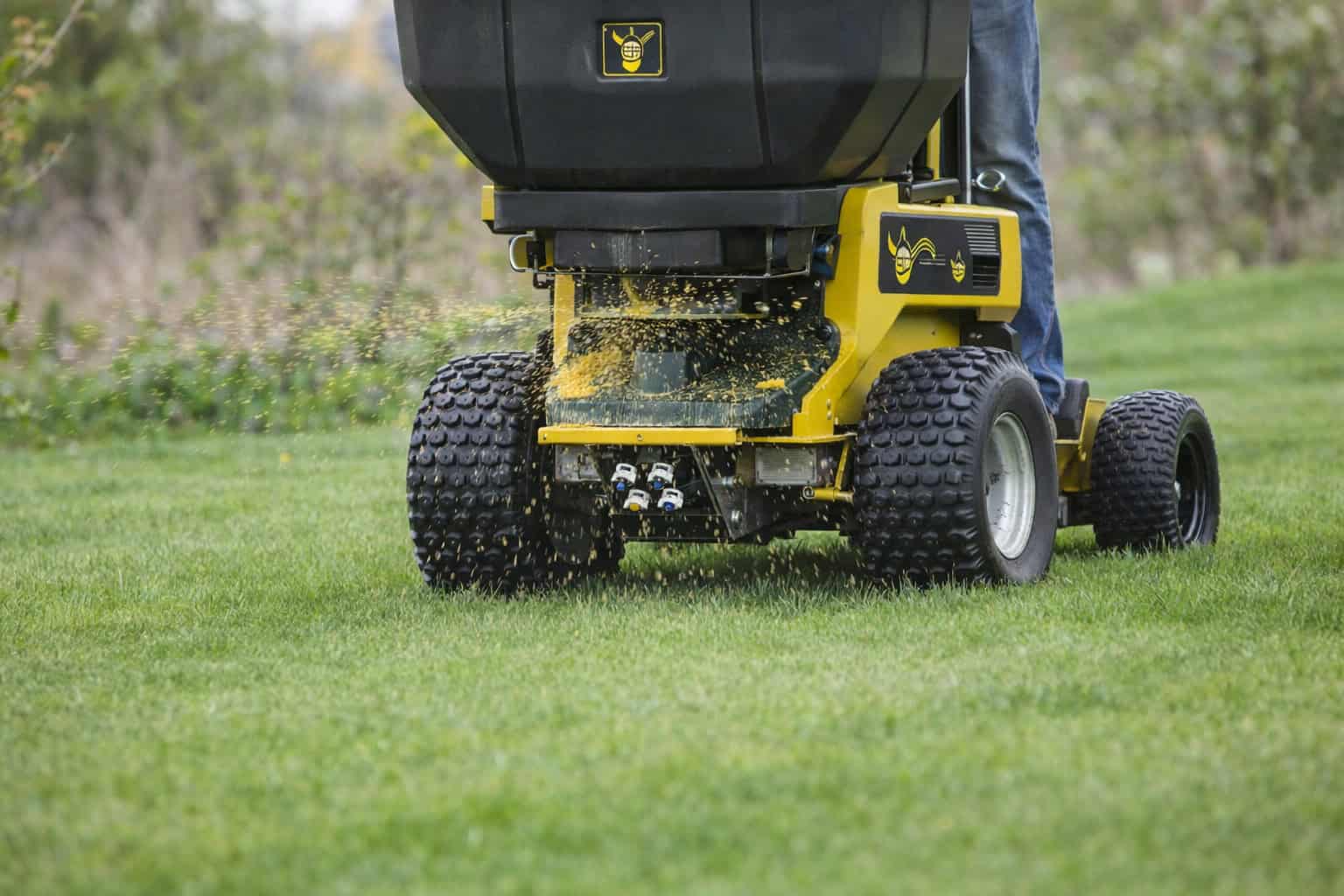
Lawn Fertilization
Seasonal fertilization, matched to your soil test, supports strong color, steady growth, and healthier turf — applied at the right rate and time, not a one-size bag from the store.

Biochar
Aeration opens the soil — biochar improves structure so the soil holds water and nutrients instead of letting them run off. Worked into fresh aeration holes, it builds a living soil that grows thick, resilient turf.
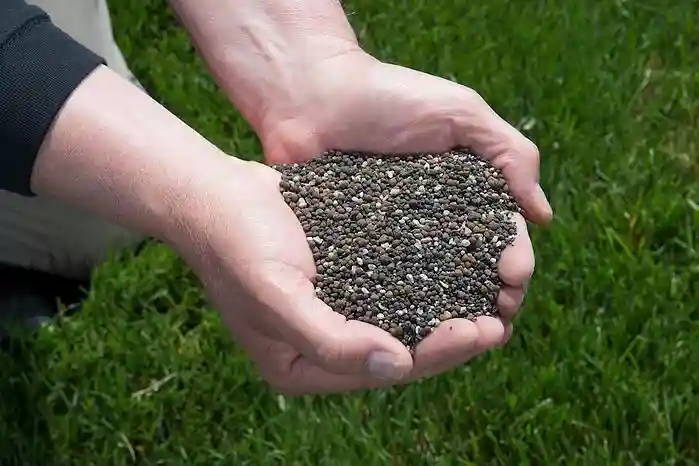
Lime
NC clay is naturally acidic, and acidic soil locks up the nutrients not bi-available to your lawn. Lime works better. Included FREE with our 8-round lawn program or text us for an ala carte application — applied at the right rate and time, based on your soil.
Clear Communication From Start To Finish
We keep it simple — clear updates, dependable scheduling, and a crew that calls ahead and answers the phone, from the first call to the final walkthrough. Licensed and insured — for the purrfect lawn. See our other maintenance plans: Fescue lawn and tree and shrub.
One Local Team
Weed control and fertilization is one of several services we provide across Raleigh’s southern suburbs. Beyond weed control, we also handle lawn mowing, landscape maintenance, landscape lighting, tree and shrub planting, hedge and bush trimming, and lawn aeration — one local team instead of separate services. See all the towns we serve on our service areas page.
Weed Control and Fertilizer FAQs
Have questions about our weed control and fertilization program? Here are a few of the most common things homeowners ask before getting started.
Need Help With Weed Control and Fertilization?
Request service online, call, or send us a text to get started. Lawn Panther provides weed control and lawn care services in Fuquay-Varina, Holly Springs, Apex, Cary, Garner, Angier, Willow Spring, Lillington, and the South Raleigh area. We can also pair treatments with lawn mowing and lawn care or landscaping when needed.