

Licensed and Insured.
Expert Fescue Lawn Maintenance Plan
Fewer weeds, thicker turf — handled in eight timed visits.
Lawn Panther runs a licensed 8-round weed control and fertilization program for lawns across Raleigh’s southern suburbs — Fuquay-Varina, Holly Springs, Apex, Cary, Garner, and nearby towns. The full season starts at $49 for yards up to 2,000 sq ft, about $59 up to 4,000, and $79 for an average ~8,000 sq ft lawn — priced by treatable area, and your first treatment is $10 off when you text WEED. We’re licensed by the state of North Carolina to apply herbicides and fertilizer on turf. Call or text 984-284-5399 for a fast quote. See what goes down in every fescue round. Have a warm-season lawn instead? See our Centipede and St. Augustine lawn maintenance plans.
Holly Springs · Apex · Cary · Garner · Fuquay-Varina · Angier · Willow Spring · Lillington · South Raleigh
What’s Included in Each Program?
Every lawn gets our Core 8-round weed control and fertilization.
Signature | Complete | Core | |
|---|---|---|---|
Crabgrass Control Treat and eliminate invasive crabgrass | |||
Broadleaf Weed Control Keep your lawn free of big weeds | |||
Nutsedge and Crabgrass Spot Control Keep your lawn free of grassy weeds | |||
Fertilizer Balanced fertilizer for a lush and green lawn | |||
Pre-Emergent Eliminate Poa and winter weed for a clean spring | |||
Lime, Calcium and Magnesium Maintain pH and withstand disease | |||
Potash/Potassium Feed the roots for healthy turf | |||
Disease Control Control grubs and army worms | |||
Fungicide Prevent brown patch and dollar spot | |||
Number of applications/year | 12 | 9 | 8 |
Our 8-round premium program, priced by lawn size. No contracts — text WEED for $10 off your first treatment, and your soil test is free.
Fescue Lawn Maintenance Plans
Keeping your Fescue lawn healthy and beautiful is easier than ever with our maintenance plans
Round One Application (January to mid-February)
Lays down the first pre-emergent barrier to stop crabgrass and summer annual weeds before they germinate.
Round Two Service (late February to March)
A spring feeding with potash and iron goes down with a second pre-emergent that extends the crabgrass barrier through summer, and post-emergent control clears the late-winter and early-spring broadleaf weeds as the turf starts to wake up.
Round Three Application (April to mid-May)
A spring feeding timed to green-up. A partly time-release fertilizer builds color and density as the grass comes out of dormancy and the roots start to run.
Round Four Application (mid-May to June)
A light feeding carries the lawn toward summer without forcing the soft, lush growth that invites disease — we ease off nitrogen as the heat builds, because heavy summer feeding is what fuels brown patch on fescue. Targeted spot treatment controls actively growing crabgrass, nutsedge, and kyllinga — only where they’re growing.
Round Five Application (July to mid-August)
A blanket lime application to balance soil pH and improve nutrient availability, paired with targeted spot treatment for nutsedge and summer grassy weeds. Spot treatment only — no blanket herbicide on fescue through peak summer heat.
Round Six Application (mid- to late August)
Fall is when fescue rebuilds roots and stores energy for next summer, so this is the year’s most important feeding. It goes down with the main pre-emergent barrier to stop poa annua and winter annual weeds before they germinate. If your lawn is being aerated and overseeded this fall, we modify this round for you — the pre-emergent is held back so the new seed can germinate, and a starter fertilizer goes down instead.
Round Seven Application (October)
A follow-up pre-emergent that reinforces the barrier and extends control of poa annua, chickweed and henbit through late fall and winter. It works in the soil and does not burn down weeds that are already up. On a lawn that was overseeded, this round is modified and the pre-emergent is held back.
Round Eight Application (November)
A winterizing feed that builds the reserves the lawn lives on through winter, applied while the turf can still take it up. The fertilizer carries potash for winter hardiness. The benefit shows in spring green-up.
Round One Weed Application (January to mid-February)
Lays down the first pre-emergent barrier to stop crabgrass and summer annual weeds before they germinate.
Round Two Weed Application (late February to March)
A spring feeding with potash and iron goes down with a second pre-emergent that extends the crabgrass barrier through summer, and post-emergent control clears the late-winter and early-spring broadleaf weeds as the turf starts to wake up.
Round Three Application (April to mid-May)
A spring feeding timed to green-up. A partly time-release fertilizer builds color and density as the grass comes out of dormancy and the roots start to run.
Round Four Application (mid-May to June)
A light feeding carries the lawn toward summer without forcing the soft, lush growth that invites disease — we ease off nitrogen as the heat builds, because heavy summer feeding is what fuels brown patch on fescue. Targeted spot treatment controls actively growing crabgrass, nutsedge, and kyllinga — only where they’re growing.
Grub Control Application (June)
This application is applied in June. This application will provide control of turf damaging grubs for three months. Application will control the early and late grubs.
Round Five Application (July to mid-August)
A blanket lime application to balance soil pH and improve nutrient availability, paired with targeted spot treatment for nutsedge and summer grassy weeds. Spot treatment only — no blanket herbicide on fescue through peak summer heat.
Round Six Application (mid- to late August)
Fall is when fescue rebuilds roots and stores energy for next summer, so this is the year’s most important feeding. It goes down with the main pre-emergent barrier to stop poa annua and winter annual weeds before they germinate. If your lawn is being aerated and overseeded this fall, we modify this round for you — the pre-emergent is held back so the new seed can germinate, and a starter fertilizer goes down instead.
Round Seven Application (October)
A follow-up pre-emergent that reinforces the barrier and extends control of poa annua, chickweed and henbit through late fall and winter. It works in the soil and does not burn down weeds that are already up. On a lawn that was overseeded, this round is modified and the pre-emergent is held back.
Round Eight Application (November)
A winterizing feed that builds the reserves the lawn lives on through winter, applied while the turf can still take it up. The fertilizer carries potash for winter hardiness. The benefit shows in spring green-up.
Round One Weed Application (January to mid-February)
Lays down the first pre-emergent barrier to stop crabgrass and summer annual weeds before they germinate.
Round Two Weed Application (late February to March)
A spring feeding with potash and iron goes down with a second pre-emergent that extends the crabgrass barrier through summer, and post-emergent control clears the late-winter and early-spring broadleaf weeds as the turf starts to wake up.
Round Three Application (April to mid-May)
A spring feeding timed to green-up. A partly time-release fertilizer builds color and density as the grass comes out of dormancy and the roots start to run.
Round Four Application (mid-May to June)
A light feeding carries the lawn toward summer without forcing the soft, lush growth that invites disease — we ease off nitrogen as the heat builds, because heavy summer feeding is what fuels brown patch on fescue. Targeted spot treatment controls actively growing crabgrass, nutsedge, and kyllinga — only where they’re growing.
Round One Fungus Application (late May to mid-June)
Brown patch and gray leaf spot hit fescue in the hot, humid stretch of summer, roughly late May through August. A preventive fungicide protects healthy grass rather than curing disease that is already active, so the fescue program is three preventive rounds spaced through the summer window to stay ahead of it
Grub Control Application (June)
This application is applied in June. This application will provide control of turf damaging grubs for three months. Application will control the early and late grubs.
Round Two Fungus Application (late June to mid-July)
Brown patch and gray leaf spot hit fescue in the hot, humid stretch of summer, roughly late May through August. A preventive fungicide protects healthy grass rather than curing disease that is already active, so our fescue program runs three preventive rounds spaced through the summer window to stay ahead of it.
Round Five Application (July to mid-August)
A blanket lime application to balance soil pH and improve nutrient availability, paired with targeted spot treatment for nutsedge and summer grassy weeds. Spot treatment only — no blanket herbicide on fescue through peak summer heat.
Round Three Fungus Application (late July to mid-August)
Brown patch and gray leaf spot hit fescue in the hot, humid stretch of summer, roughly late May through August. A preventive fungicide protects healthy grass rather than curing disease that is already active, so our fescue program runs three preventive rounds spaced through the summer window to stay ahead of it.
Round Six Application (mid- to late August)
Fall is when fescue rebuilds roots and stores energy for next summer, so this is the year’s most important feeding. It goes down with the main pre-emergent barrier to stop poa annua and winter annual weeds before they germinate. If your lawn is being aerated and overseeded this fall, we modify this round for you — the pre-emergent is held back so the new seed can germinate, and a starter fertilizer goes down instead.
Round Seven Application (October)
A follow-up pre-emergent that reinforces the barrier and extends control of poa annua, chickweed and henbit through late fall and winter. It works in the soil and does not burn down weeds that are already up. On a lawn that was overseeded, this round is modified and the pre-emergent is held back.
Round Eight Application (November)
A winterizing feed that builds the reserves the lawn lives on through winter, applied while the turf can still take it up. The fertilizer carries potash for winter hardiness. The benefit shows in spring green-up.
Turf Management Pricing
Our CORE, COMPLETE, AND SIGNATURE programs, priced by lawn size. No contracts
If weeds show up between visits, you don’t have to figure it out on your own. Text us a photo and we’ll help identify the issue, explain what’s happening, and then take care of it for you. We know you have a lot of bigger companies out there to choose from, so we do it better.
CORE Plan
Starting at
Basic Weed Control
Based on a 2000 sq ft lawn
Most popular
COMPLETE Plan
Starting at
Save $20*
Best value — Weed + Grub Control
Text WEED for $10 off your first treatment.
*Save $20 over regular ala carte pricing when you upgrade to the COMPLETE program
SIGNATURE Plan
Starting at
Save $80*
Covers Everything
Final price set by your treatable area. *Save $80 over regular ala carte pricing when you upgrade to the Signature program.
A la Carte Options
These services can be added to a regular weed control and fertilization program when your lawn needs extra help with pests, turf health, soil improvement, or specific weed problems.
Pest Control
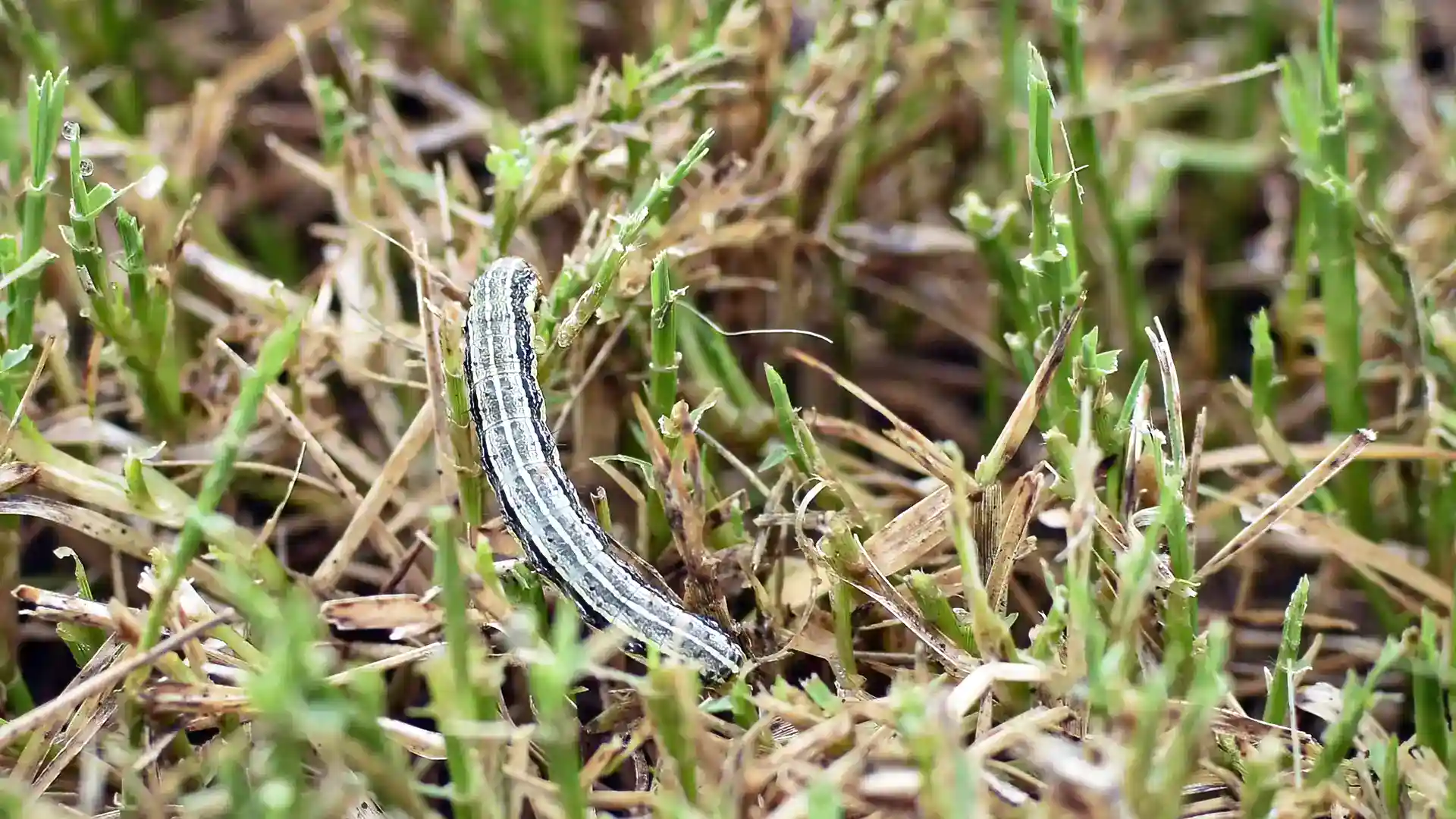
Armyworm Treatment
Armyworms are the caterpillars of moths in the Noctuidae family. They get their name from the way they congregate and march together in massive groups — once they strip one lawn, they move to the next like an invading army.
Pest Control
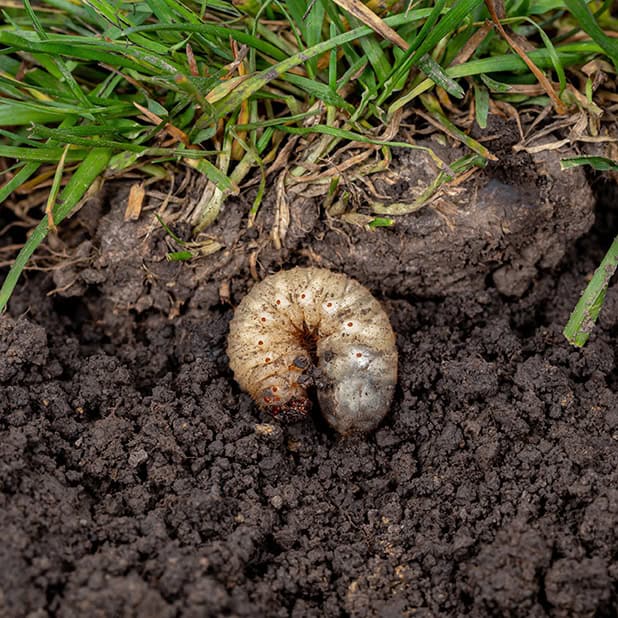
Grub Treatments
White grubs are the plump, C-shaped larval stage of beetles. They feed on grass roots and organic matter, causing patches of lawn to turn brown and die. In severe cases, the damaged turf can be rolled back like a carpet.
Pest Control
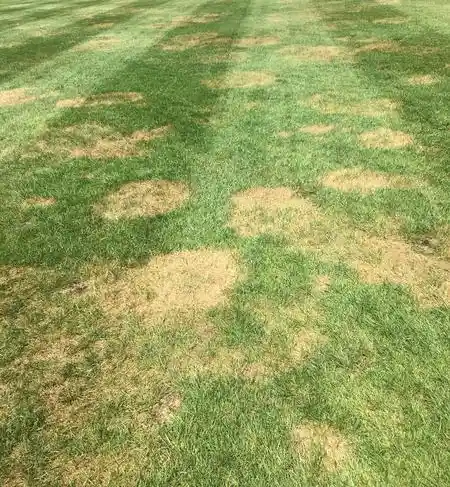
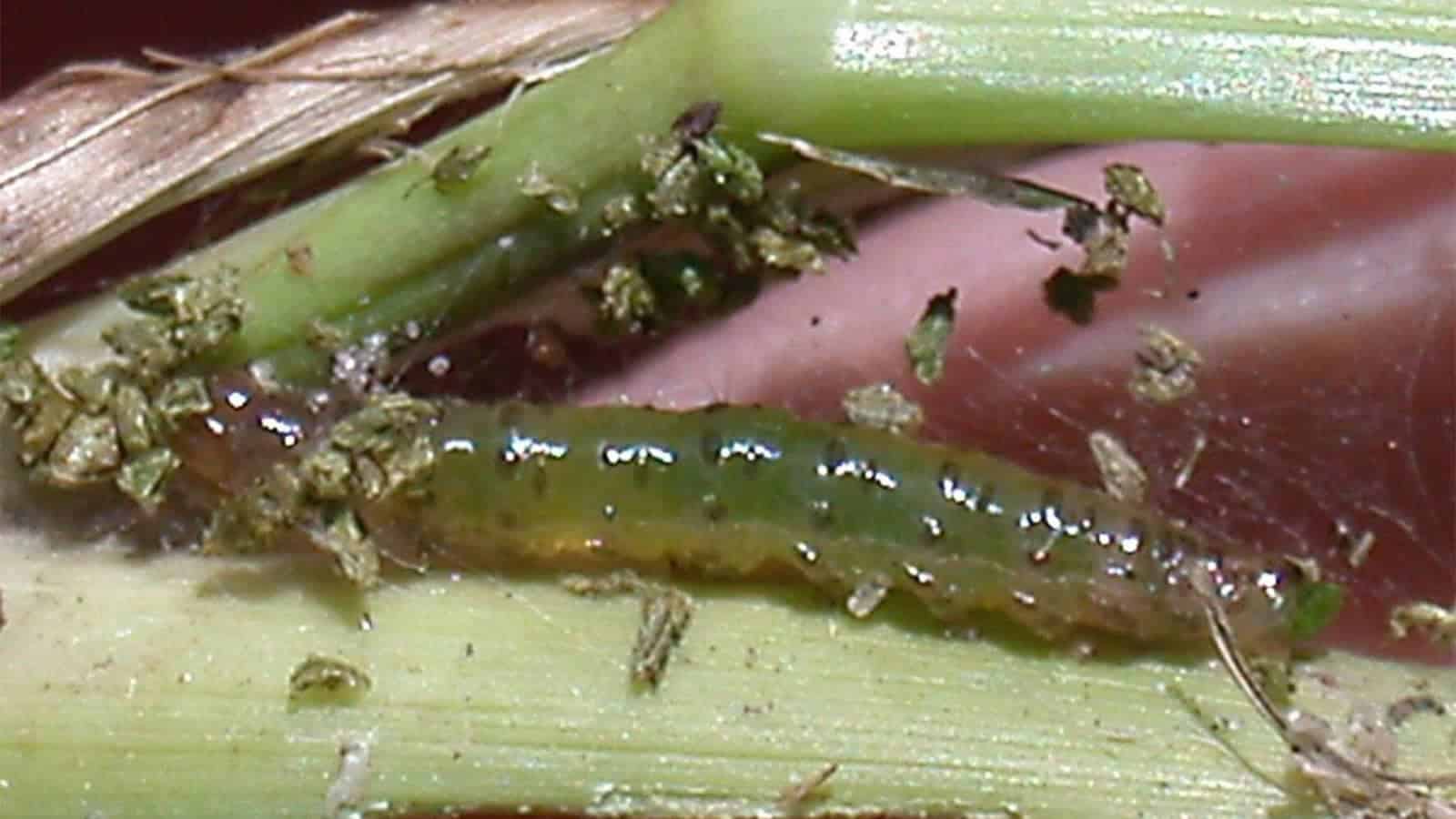
Sod Webworm
Sod webworms are the caterpillar stage of Crambinae family lawn moths that feast on turfgrass leaves and stems. The adult moths are harmless to your grass, but their larvae can quickly devour entire sections of the lawn. They thrive in hot, dry conditions and target both cool-season and cool-season grasses.


Disease Control
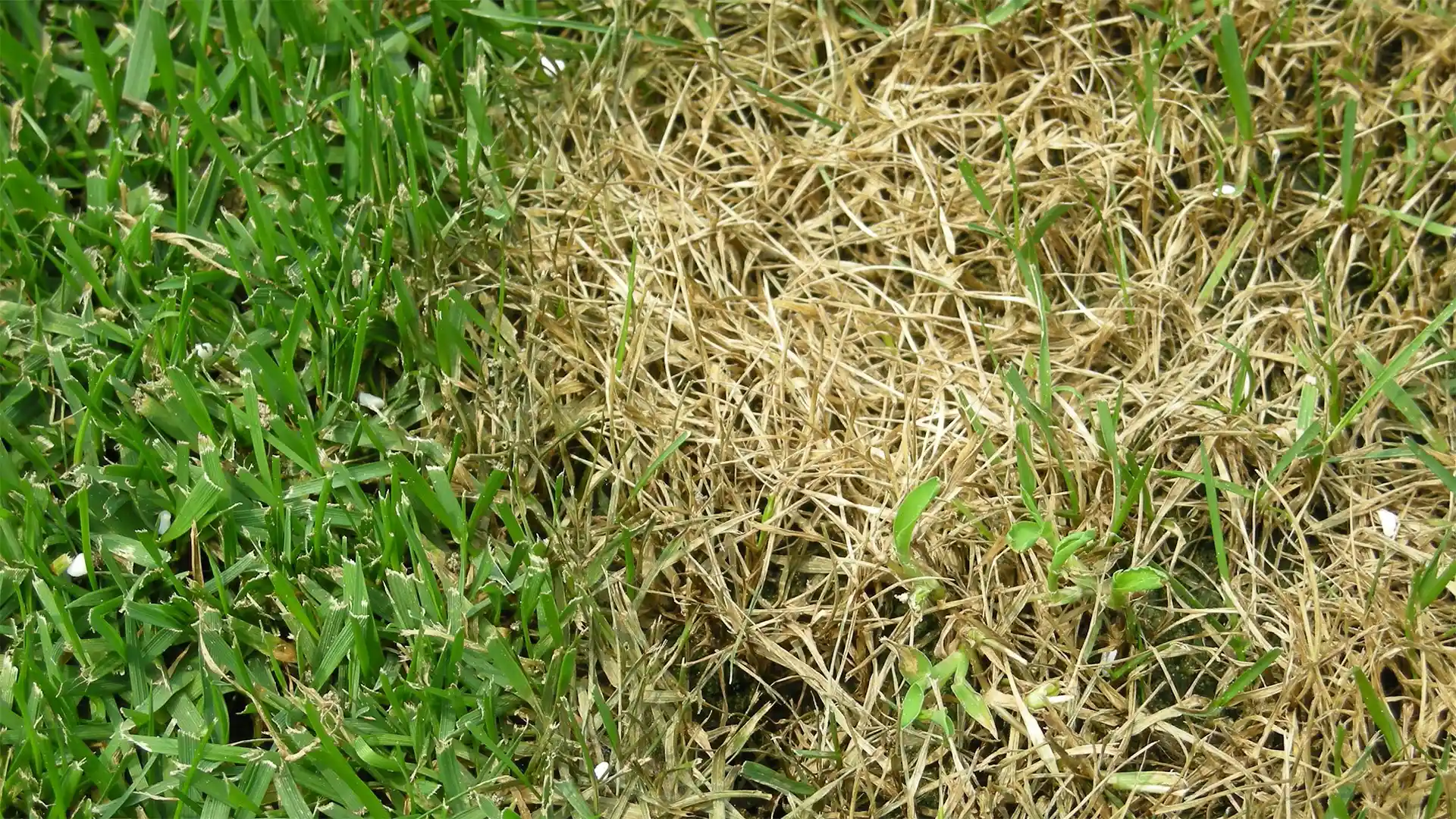
Gray Leaf Spot
Gray leaf spot is a fungal disease (Pyricularia grisea) that blights tall fescue in the hot, humid stretch of summer and thins a lawn fast. It shows as small oval lesions – gray-to-tan centers with dark brown-to-purple borders – and blighted turf that looks matted and greasy. It hits hardest on young or newly seeded fescue from July through September.
Fungus Control
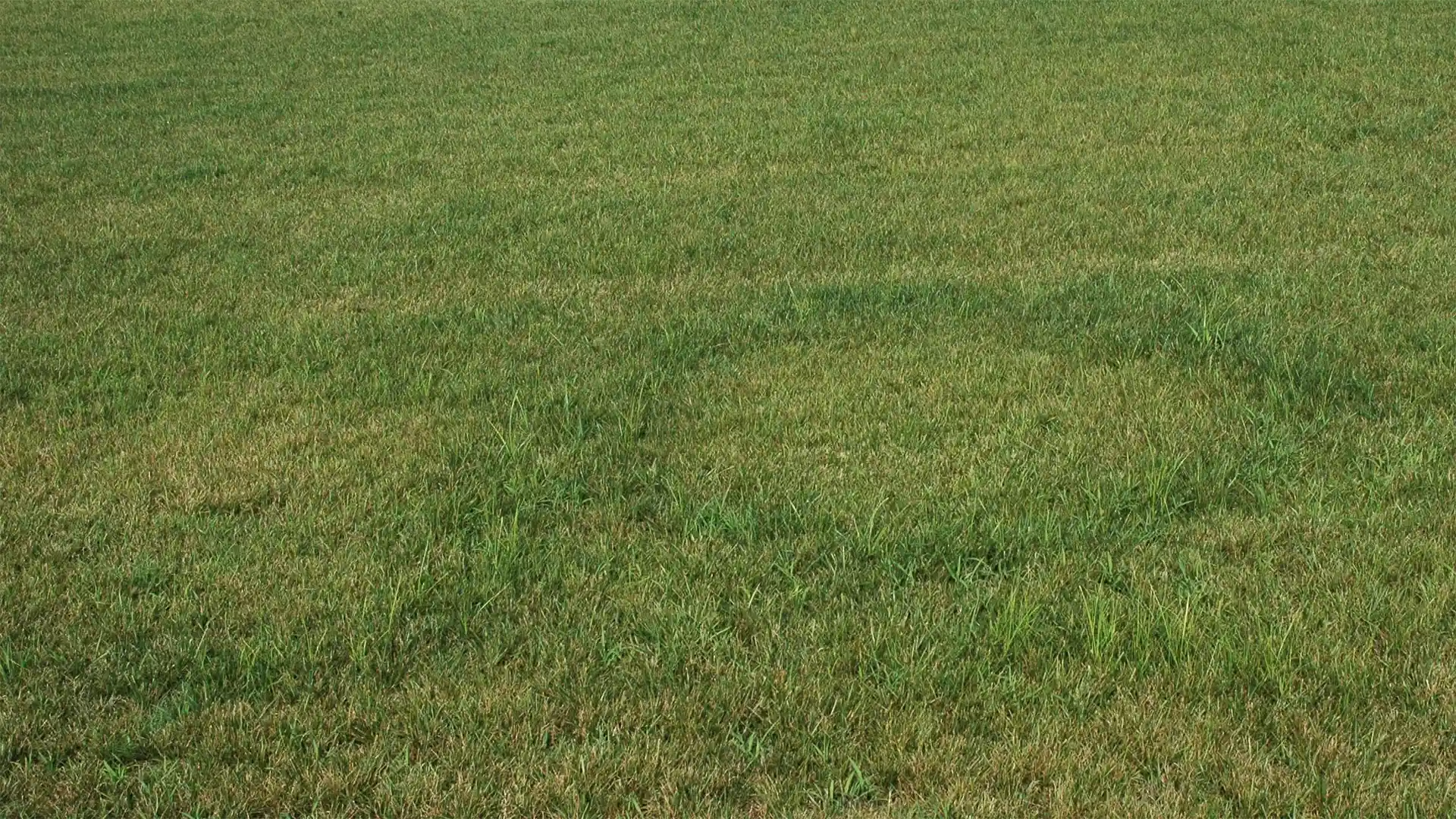
Phylum Blight
In cool-season turf, Pythium blight appears as small, sunken, circular patches up to 1 foot in diameter during hot, humid weather. In warm-season turf such as bermudagrass it appears as small black or purple spots that expand, especially during prolonged periods of humid, or rainy weather. Leaves within affected areas are matted, orange or dark gray in color, and greasy in appearance.
Fungus Control
Fairy Ring
Fairy ring appears in patches, rings, or arcs that are initially 1 foot or less in diameter, but expand in size year after year. Most fairy ring fungi do not infect or parasitize the turf. Instead, growth of these fungi in the soil can indirectly affect, or even kill, the turfgrass above
Fungus Control
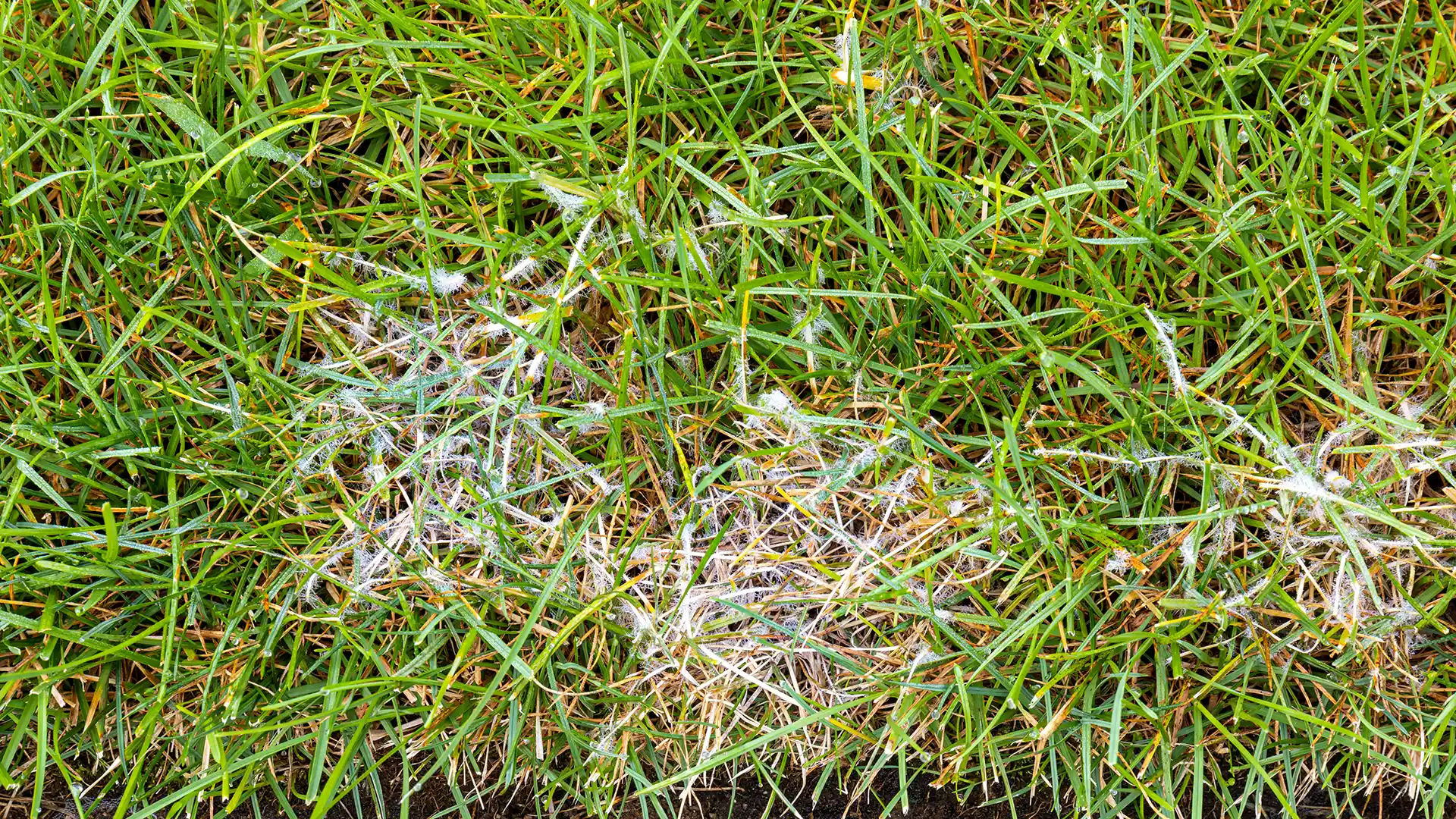
Dollar Spot
Dollar spot is a common fungal turfgrass disease characterized by small, round, bleached-out patches about the size of a silver dollar. It thrives in warm, humid weather (60–90°F) with heavy dew and low soil nitrogen. Learn how to spot and treat dollar spot.

Core Aeration
Core aeration helps relieve soil compaction and improve the movement of air, water, and nutrients into the root zone. This service supports healthier turf and better overall lawn performance.

Lawn Overseeding
Lawn overseeding helps improve density, fill in thin areas, and support a thicker lawn
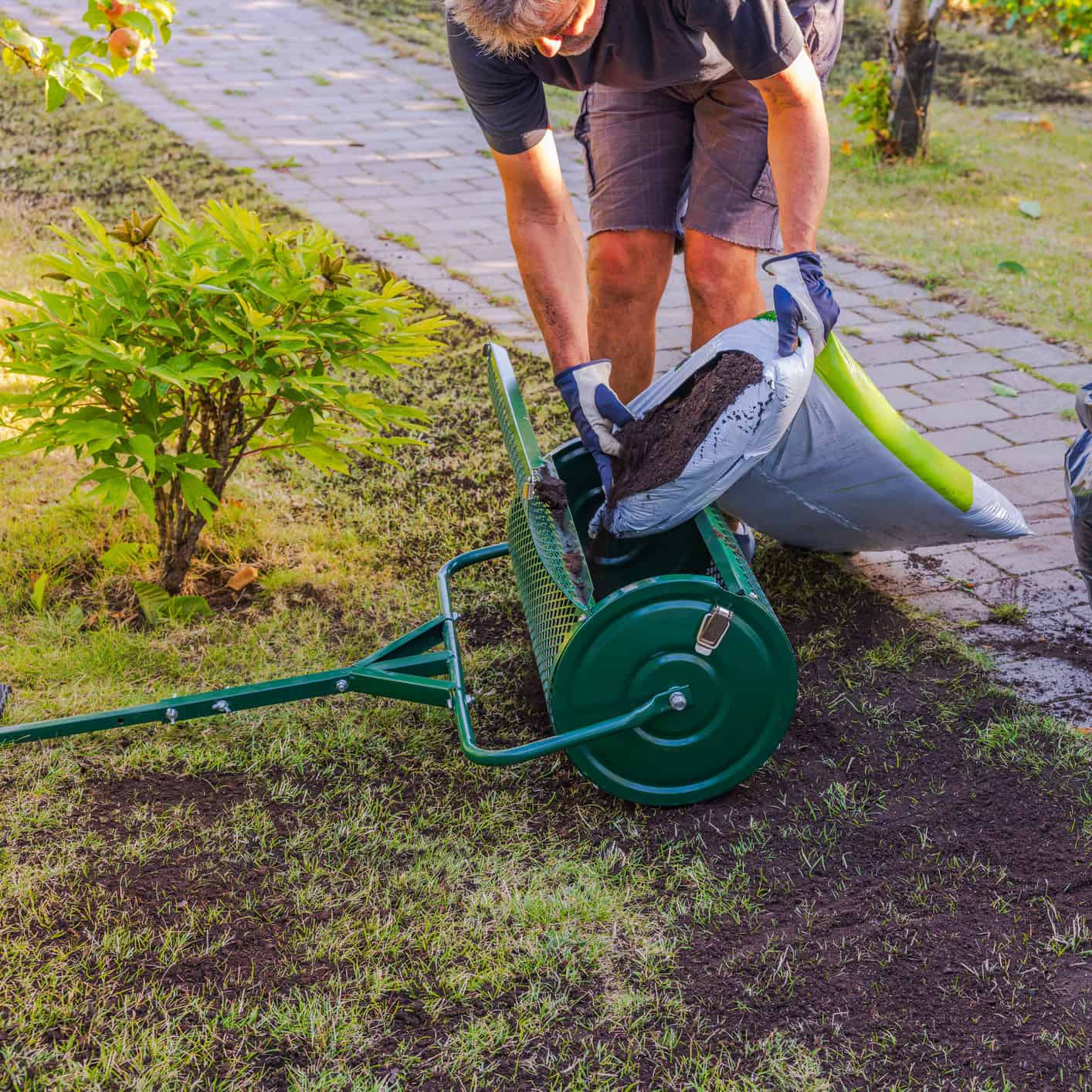
Lawn Top Dressing
Lawn top dressing improves soil structure, smooths minor low spots, and feeds soil life. Worked in right after aeration, a compost-and-sand blend steadily builds better soil on tough NC clay.
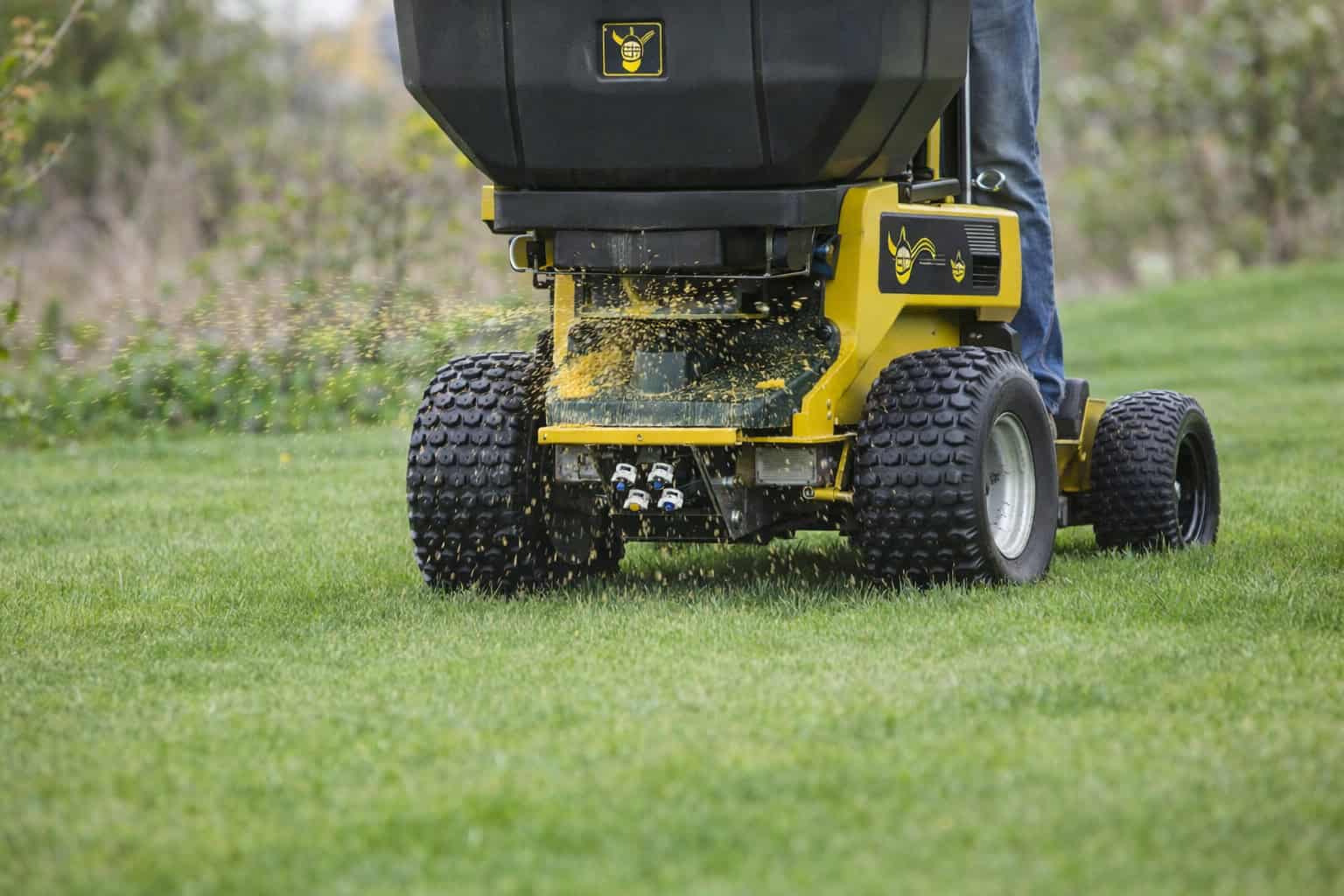
Lawn Fertilization
Seasonal fertilization, matched to your soil test, supports strong color, steady growth, and healthier turf — applied at the right rate and time, not a one-size bag from the store.

Biochar
Aeration opens the soil — biochar improves structure so the soil holds water and nutrients instead of letting them run off. Worked into fresh aeration holes, it builds a living soil that grows thick, resilient turf.
Lime
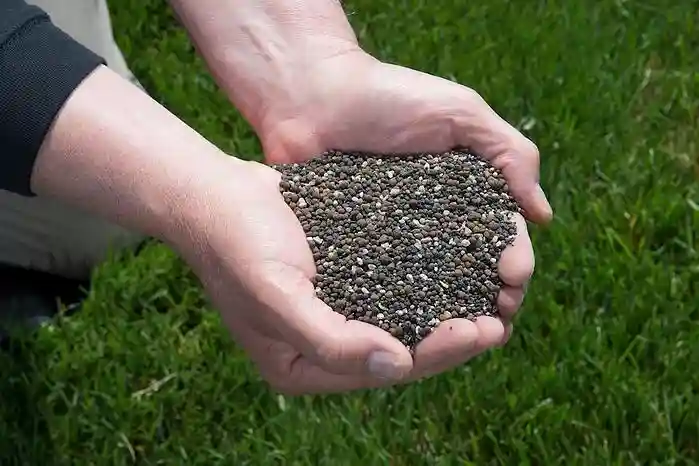
NC clay is naturally acidic, and acidic soil locks up the nutrients not bi-available to your lawn. Lime works better. Included FREE with our 8-round lawn program or text us for an ala carte application — applied at the right rate and time, based on your soil.
Clear Communication From Start To Finish
We keep it simple — clear updates, dependable scheduling, and a crew that calls ahead and answers the phone, from the first call to the final walkthrough. Licensed and insured — for the purrfect lawn. See our other maintenance plans: Bermuda and Zoysia lawn and tree and shrub.
One Local Team
Weed control and fertilization is one of several services we provide across Raleigh’s southern suburbs. Beyond weed control, we also handle lawn mowing, landscape maintenance, landscape lighting, tree and shrub planting, hedge and bush trimming, and lawn aeration — one local team instead of separate services. See all the towns we serve on our service areas page.
Weed Control and Fertilizer FAQs
Have questions about our weed control and fertilization program? Here are a few of the most common things homeowners ask before getting started.
Related Lawn and Landscape Services
Many weed control customers also ask about lawn service, sod installation, mulch installation, and shrub and tree planting when improving the overall look of their property.
Need Help With Weed Control and Fertilization?
Request service online, call, or send us a text to get started. Lawn Panther provides weed control and lawn care services in Fuquay-Varina, Holly Springs, Apex, Cary, Garner, Angier, Willow Spring, Lillington, and the South Raleigh area. We can also pair treatments with lawn mowing and lawn care or landscaping when needed. New to fescue? Start with the best mowing height for tall fescue in NC.