

Spring and Fall Yard Cleanup in North Carolina: What to Do and When
By Ken Erickson · Updated June 2026
Good yard cleanup in the transition zone runs on two clocks at once. In North Carolina’s transition zone, a yard runs on two clocks at once – warm-season grasses like bermuda and zoysia that wake up in late spring, and cool-season fescue that does its best work in fall. That split is exactly why seasonal cleanup matters so much here: the leaves, debris, and dead growth you clear (or leave) in October decide how your lawn comes through winter, and the beds and soil you prep in February decide how it starts the next growing season. Below is a practical, NC-specific rundown of what to do in fall, what to do in spring, and when to do each in the Raleigh area.
Key takeaways
- Clearing leaves and debris before winter prevents smothered, matted turf and the moisture-trapped conditions that feed lawn disease, and it lets a warm-season lawn green up earlier in spring.
- Warm-season grasses (bermuda, zoysia) and cool-season fescue run opposite fertilization calendars, so the last feeding of the year is timed completely differently for each.
- A thin layer of leaves mulch-mowed back into the lawn feeds the soil and can cut weed pressure, but heavy leaf mats sitting on turf need to come off.
- Spring cleanup in the Triangle centers on clearing winter debris, refreshing beds, and getting pre-emergent down before soil temperatures hit about 55F – roughly late February to early March here.
- Aeration timing is grass-specific: aerate tall fescue in fall, and warm-season grasses in late spring through summer once they have fully greened up, never the reverse.
Why does fall and spring yard cleanup actually matter?
Cleanup is not about tidiness, it is about turf health. A thick blanket of leaves and debris left on the lawn blocks sunlight, traps moisture against the crown of the grass, and creates exactly the humid, low-airflow conditions that lawn diseases and overwintering pests prefer. On a warm-season lawn, that smothering layer also delays and thins out spring green-up, because the grass underneath has to fight through matted debris before it can push new growth. NC State Extension is direct about this: removing leaves enables earlier and more consistent spring green-up. Spring cleanup does the reverse job – clearing the winter’s accumulated debris and matted growth off the lawn early so the grass can green up unobstructed, and refreshing beds before weeds and pests get established. Do both ends of the year well and you spend far less on disease and weed correction later.
What is on a North Carolina fall cleanup checklist?
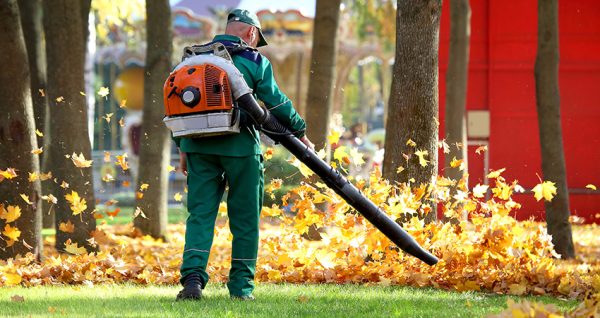
Fall is where most of the heavy lifting happens. Work through leaf removal first, staying ahead of accumulation rather than waiting for one giant pile, then take a final mow before the grass goes dormant, cut back spent perennials and any diseased material, edge and refresh the beds, and clear the gutters so winter rain drains away from the house. The one item people get wrong most often is the last feeding of the year, and it is grass-specific. Cool-season tall fescue is fed in fall – NC State recommends 1 pound of nitrogen per 1,000 square feet in mid-September and again in November as growth slows. Warm-season bermuda and zoysia are the opposite: apply no more than a half pound of nitrogen per 1,000 square feet in September (or four weeks before the first expected frost), and lean on a low-nitrogen, high-potassium fertilizer to build winter hardiness without pushing tender late growth that winter will kill. When in doubt on a warm-season lawn, hold the nitrogen.
What is on a North Carolina spring cleanup checklist?
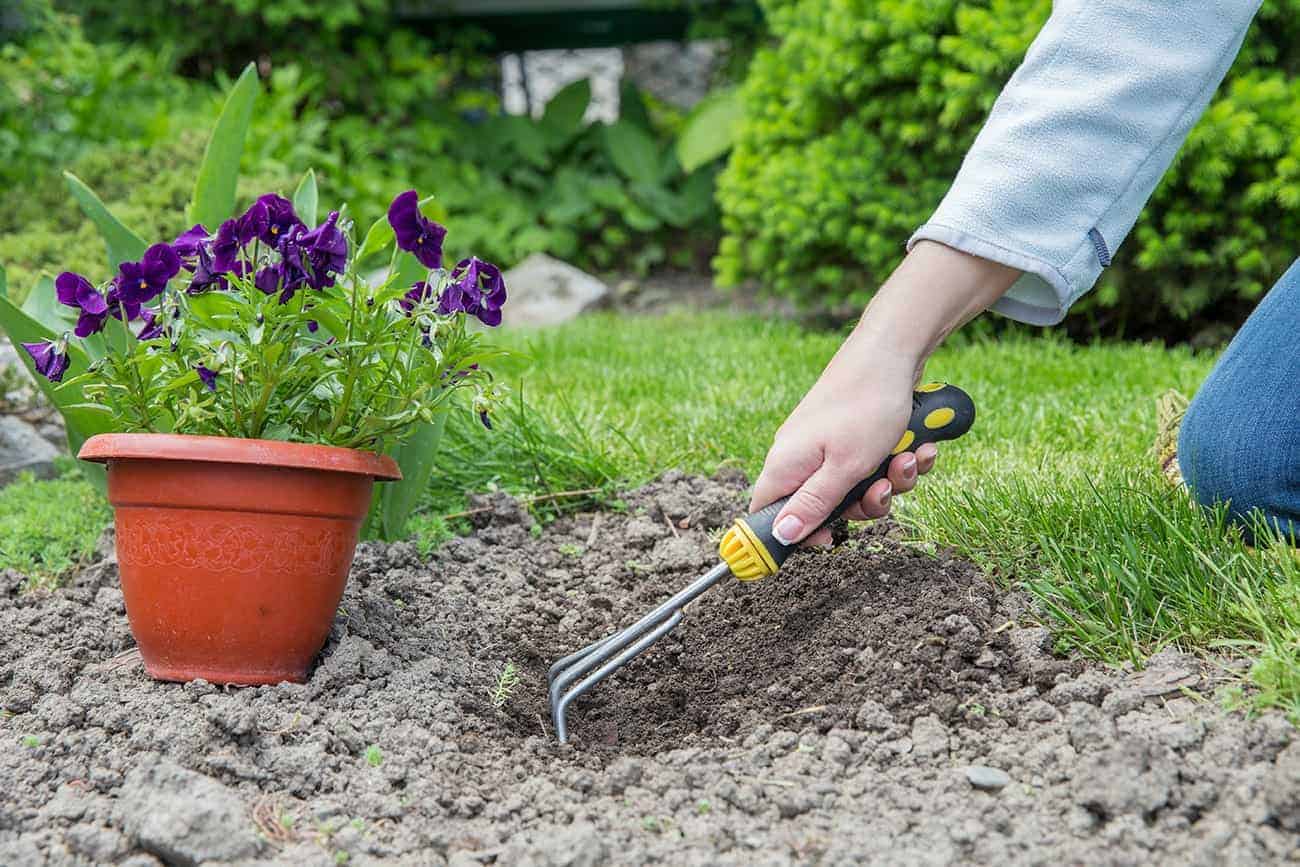
Spring cleanup opens the growing season, so timing beats effort. Start by clearing the leaves, sticks, and matted growth that piled up over winter – NC State’s fescue calendar specifically calls for removing leaves and debris through the winter and again as the lawn greens up, because a wet mat left on turf in early spring inhibits growth and invites disease. Get pre-emergent herbicide down before crabgrass and other summer weeds germinate; those seeds start moving once soil temperatures hold around 55F, which in the Triangle usually means late February into early March. Refresh beds, redefine the bed edges, and top off mulch to 2 to 3 inches to hold moisture and block weeds. Save aeration and heavy dethatching for the right window rather than defaulting to spring. Then take the first real mow when the lawn genuinely greens up – on bermuda, that first mow is set low to strip off dormant tissue and reset the height for the year.

Should you leave the leaves, or clean them up?
This is the real debate, and the honest answer is a middle ground. Conservation groups like the Xerces Society make a legitimate point: leaf litter is winter shelter for butterflies, moths, and other beneficial insects, and whole leaves left in beds and natural areas genuinely support pollinators. At the same time, a heavy mat of leaves left sitting on a lawn will smother and rot the turf underneath. The practical resolution: leave the leaves where they help – in beds, borders, and natural areas – and manage them on the lawn instead of hauling every one away. On turf, mulch-mow thin layers of leaves back into the grass; Michigan State University research found this returns nutrients, speeds spring green-up, and, over about three years, sharply reduced dandelion and crabgrass pressure. The rule of thumb: if you can still see grass through the leaves you can mulch them in, but once leaves cover the lawn in a solid mat, get the heavy stuff off the turf.
What should you do each season in North Carolina, month by month?
Because NC sits in the transition zone, the calendar matters more than in a pure warm or cool climate. Here is the year at a glance for both grass types:
Window | Warm-Season (Bermuda, Zoysia) | Cool-Season (Tall Fescue) | Beds & Debris |
|---|---|---|---|
Late winter (Feb) | Hold nitrogen; pre-emergent mid-Feb to early March | Pre-emergent early March; last winter mow | Clear winter debris off turf |
Early spring (Mar-Apr) | First mow at green-up, set low; no N yet | Mow 2.5-3.5 in.; light feeding only | Refresh mulch to 2-3 in. |
Late spring (May) | Fertilize after full green-up; dethatch late May | Do not aerate; watch for brown patch | Edge and weed beds |
Summer (Jun-Aug) | Aerate while actively growing; feed regularly | Mow high (3.5 in.); no herbicides | Maintain mulch, monitor weeds |
Early fall (Sep-Oct) | Last N by early Sept; switch to high-potassium | Fertilize, aerate, and overseed now | Begin leaf mulch-mowing |
Late fall (Oct-Nov) | Raise mowing height; final debris mow | Feed again in Nov; mow to 3 in. | Leaf cleanup, cut-backs, gutters |
Getting each task into its correct window is most of the battle; the same job done at the wrong time can set the lawn back instead of helping it.
Should you handle yard cleanup yourself or hire a pro?
Plenty of this is genuinely DIY. If you have a mulching mower, a rake, and a few free weekends, mulch-mowing leaves, edging beds, and topping off mulch are all reasonable to do yourself, and we would rather tell you that than sell you work you do not need. Where hiring out pays off is timing and the technical calls: matching pre-emergent to the soil-temperature window so it actually works, running the right last-of-season fertilization for your specific grass type, and aerating in the correct season instead of the wrong one. Those are the mistakes that cost a full season to undo. Our education and background controlling weeds and pests on lawns and landscapes is extensive, and we are licensed by the state of North Carolina to apply on turf and ornamental plants, so if the timing-sensitive parts are where you would rather not gamble, that is exactly what we handle. Text us at 984-284-5399 for a quote on seasonal cleanup and maintenance across Fuquay-Varina, Holly Springs, Apex, Cary, and Garner.
Frequently Asked Questions
Want the Timing-Sensitive Parts Handled Right?
Pre-emergent windows, last-of-season feeding, and aeration timing are where lawns get set back a full season. We handle seasonal cleanup and maintenance across the southern Raleigh suburbs. Text us for a quote.
Sources
NC State Extension – Tall Fescue Lawn Maintenance Calendar
NC State Extension – Bermudagrass Lawn Maintenance Calendar
Xerces Society – Leave the Leaves
Michigan State University Extension – Mulch Leaves Into Turf for a Smart Lawn
