

How to Test Soil pH at Home With Aquarium Test Kits
By Ken Erickson · Updated June 2026
How to Test Soil pH at Home: Why pH Is the Number Nobody Checks
Learning how to test soil pH at home takes ten minutes and explains most lawn problems. Most lawn problems in the Triangle trace back to one number nobody checks: soil pH. Our soils run acidic, and acidic soil locks up the nutrients grass needs — so you can fertilize all season and still get a hungry, thin lawn. Fix the pH and the fertilizer you’re already paying for finally works.
The good news: you don’t need a lab to get a fast read. For a few dollars in test kits from the aquarium aisle you can check pH at home in ten minutes — and with two more kits, read your soil’s buffering and mineral levels too. This is the method we actually use, explained by someone who tests water and soil chemistry for a living.
Key takeaways
- Acidic Triangle soil locks up nutrients — fertilize all you want and the lawn stays thin until the pH is right.
- Target pH: fescue 5.5–6.5, Bermuda/zoysia 5.8–7.0; nutrients open up around 6.0–6.5.
- Test at home for a few dollars with aquarium pH/KH/GH kits — or get a free, exact number from NC State.
- Raise pH with lime (slow, lasts 2–3 years), lower it with sulfur — but only if a test says so.
Collect the Sample Right — That’s 90% of It

Before any method, the sample makes or breaks the reading. Soil pH changes within a foot or two, so one scoop can lie to you. Walk the lawn and pull 8–10 small plugs from different spots, about 4 inches deep, and mix them in a clean bucket into one composite cup of soil. Pull out roots, thatch, and rocks.
And always mix with distilled water, never tap — tap water has its own pH and minerals that skew the result. Get the sample right and any method below gives you something useful; get it wrong and the fanciest meter is garbage in, garbage out.
Distilled Water Only
Tap water in the Triangle is often slightly alkaline, so testing soil in tap water nudges every reading higher. A gallon of distilled water costs about a dollar and removes the biggest source of error.
Test method | Cost | Accuracy | Best for |
|---|---|---|---|
Aquarium pH kit (slurry) | ~$5–10 | ±0.3–0.5 | Fast home read + KH/GH |
pH test strips | $8–15 / 50 | ±0.5 | Quick acid-or-alkaline check |
Baking soda + vinegar | Free | ±1.0 (rough) | Acidic or alkaline? |
Probe / meter | $10–30 | Low, drifts | Ballpark only |
NC State lab test | Free Apr–Nov | Best | Exact pH + lime rate |
Target: fescue | — | pH 5.5–6.5 | Cool-season turf |
Target: Bermuda/zoysia | — | pH 5.8–7.0 | Warm-season turf |
Retest | — | Every 2–3 years | Track pH drift |
The Aquarium-Kit Slurry Method
Here’s the method we use. Mix one part soil with one part distilled water in a clean jar — a heaping tablespoon of each works — stir it well, and let it settle a few minutes until the water above the soil clears.
Draw off some of that clear water and run it through an aquarium pH test (the API freshwater wide-range kit is cheap and reads the range our soils live in). Match the color to the chart. That color is your soil pH — in ten minutes, for the cost of a couple coffees.
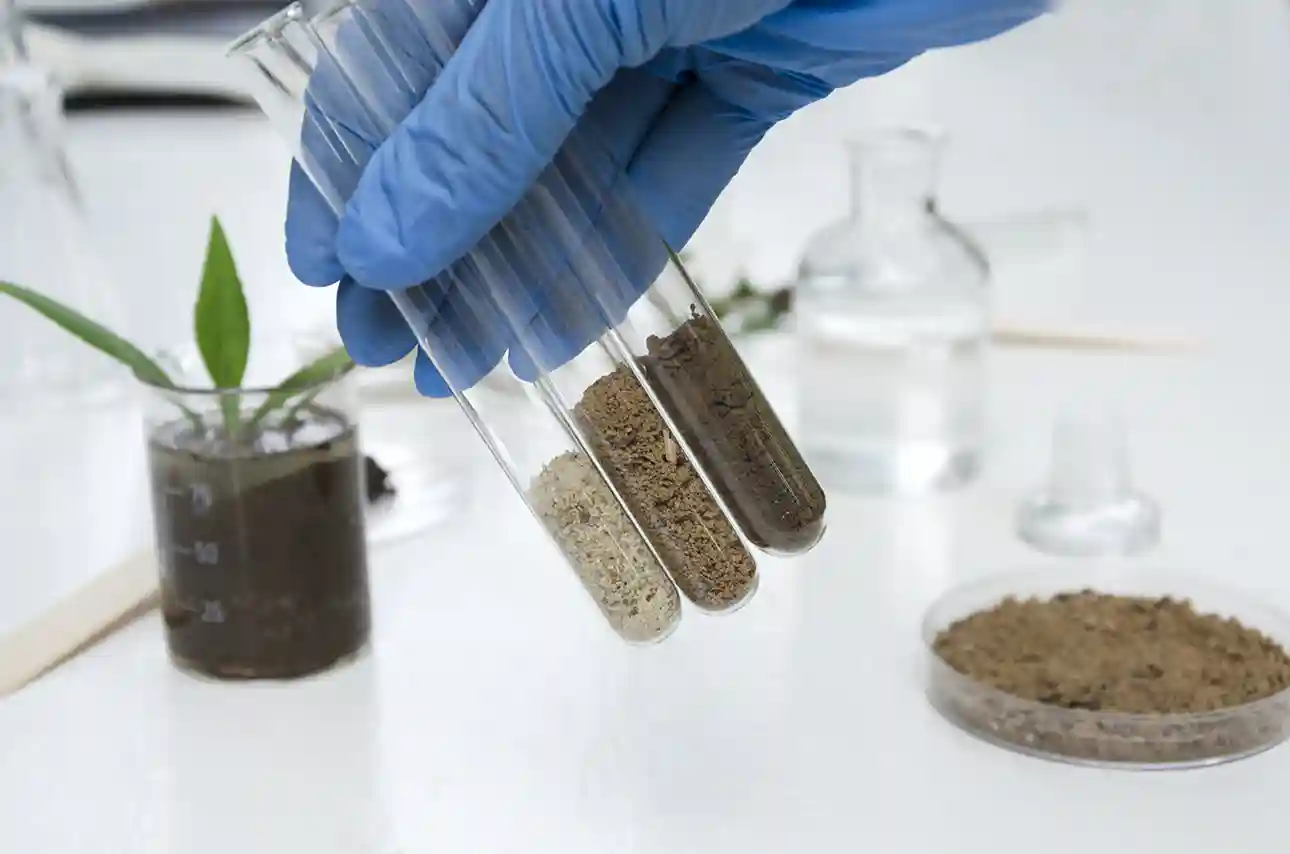
Test two or three composite samples from different parts of the yard if it’s big or sloped. Front and back, sun and shade can read differently, and you treat them differently.
A pH read alone is enough to make a lime decision. But two more aquarium kits — KH and GH — tell you how your soil will respond, which is where most advice stops short.
Read More Than pH: KH and GH
The same aquarium hobby kits that test pH also test KH (alkalinity) and GH (hardness). Those two numbers explain why some lawns barely budge after liming and others swing fast.
KH — Your Soil’s Buffer (the Bank Account)
KH measures carbonate buffering — think of it as a bank account that absorbs acid. A funded account absorbs the withdrawals and your pH barely moves; run it to zero and the next hit overdrafts and the pH crashes. Lime is a deposit that refills the account. High KH + low pH means carbonate is already in the system and pH will be slow to move — test before you dump lime. Low KH + low pH is the common one here: an empty account and acidic soil, exactly when a lime deposit moves the needle and holds.
GH — Your Calcium and Magnesium
GH measures dissolved calcium and magnesium — the same two minerals lime supplies. A low GH reading is another hint your soil is short on the minerals that keep turf and roots strong, and that the right lime does double duty: calcitic lime adds calcium, dolomitic lime adds calcium and magnesium.
Why That Matters Before You Lime
Put it together: pH tells you if you need lime, KH tells you how fast it’ll respond, and GH tells you which lime to use. That’s a full picture for a few dollars in aquarium kits — and it’s why we don’t just chase a single pH number.
Most home advice never gets past the pH strip. Reading all three is the difference between guessing and knowing.
How Accurate Is This, Really?
Honest answer: the slurry-plus-aquarium-kit method lands within about a third to a half a pH point of a lab — plenty accurate to decide whether to lime, and how aggressively. It won’t give you a lime rate to the decimal. For that, or before a big renovation, get the lab number below. For routine “do I need lime this year” calls, the home test is more than good enough — and you can run it the same afternoon.
Raising and Lowering Your pH
Lime to Raise, Sulfur to Lower
If the test says your soil is too acidic (most Triangle lawns), lime raises pH. It reacts slowly, so apply it months ahead of when you need it; a proper rate holds the pH in range for two to three years. Use calcitic lime if calcium is fine, dolomitic if magnesium is also low.
If a soil is too alkaline (rare here, but it happens near concrete and new construction), elemental sulfur lowers pH. Go slow — no more than 5 pounds per 1,000 square feet per application — or you’ll burn roots. Either way, only amend if a test says to. Guessing at lime is how lawns end up overlimed.
Re-test a few months after amending to confirm you landed in range, then settle into a 2–3 year rhythm.
When to Just Get the Lab Number
The home kit is great for fast, routine reads. But twice it’s worth the lab number: before a renovation or new lawn, and any time the home read is borderline or doesn’t match what the grass is telling you. In North Carolina that test is easy and usually free:
Pull a Composite Sample
Same as the home test — 8–10 plugs, 4 inches deep, mixed into about a cup of soil, and dried.
Send It to NC State
The NC Department of Agriculture Agronomic Services lab tests home samples free from April through November (a small off-season fee applies in winter). Boxes and forms are at your county Extension office. You get exact pH plus a lime and nutrient recommendation.
Read the Report
The report gives your pH, a target, and how much lime (or sulfur) per 1,000 square feet to get there. No guesswork — it’s the gold standard.
Or We’ll Read It For You
If a soil report reads like a foreign language, that’s fine — interpreting them is part of what we do. We’ll pull the sample, read the numbers, and fold the lime or sulfur into your program at the right rate and time.
We Handle the Whole Thing
On our program, soil chemistry isn’t a guess. We test, we read pH, KH, and GH, and we apply the right amendment at the right rate — so the fertilizer you’re paying for actually feeds the grass instead of getting locked up. See how it fits the full Bermuda & zoysia weed control schedule.
Test first, amend second, then fertilize into soil that can actually use it.
That’s the difference between feeding the lawn and feeding the clay.
How Often Should You Retest?
Every 2–3 Years
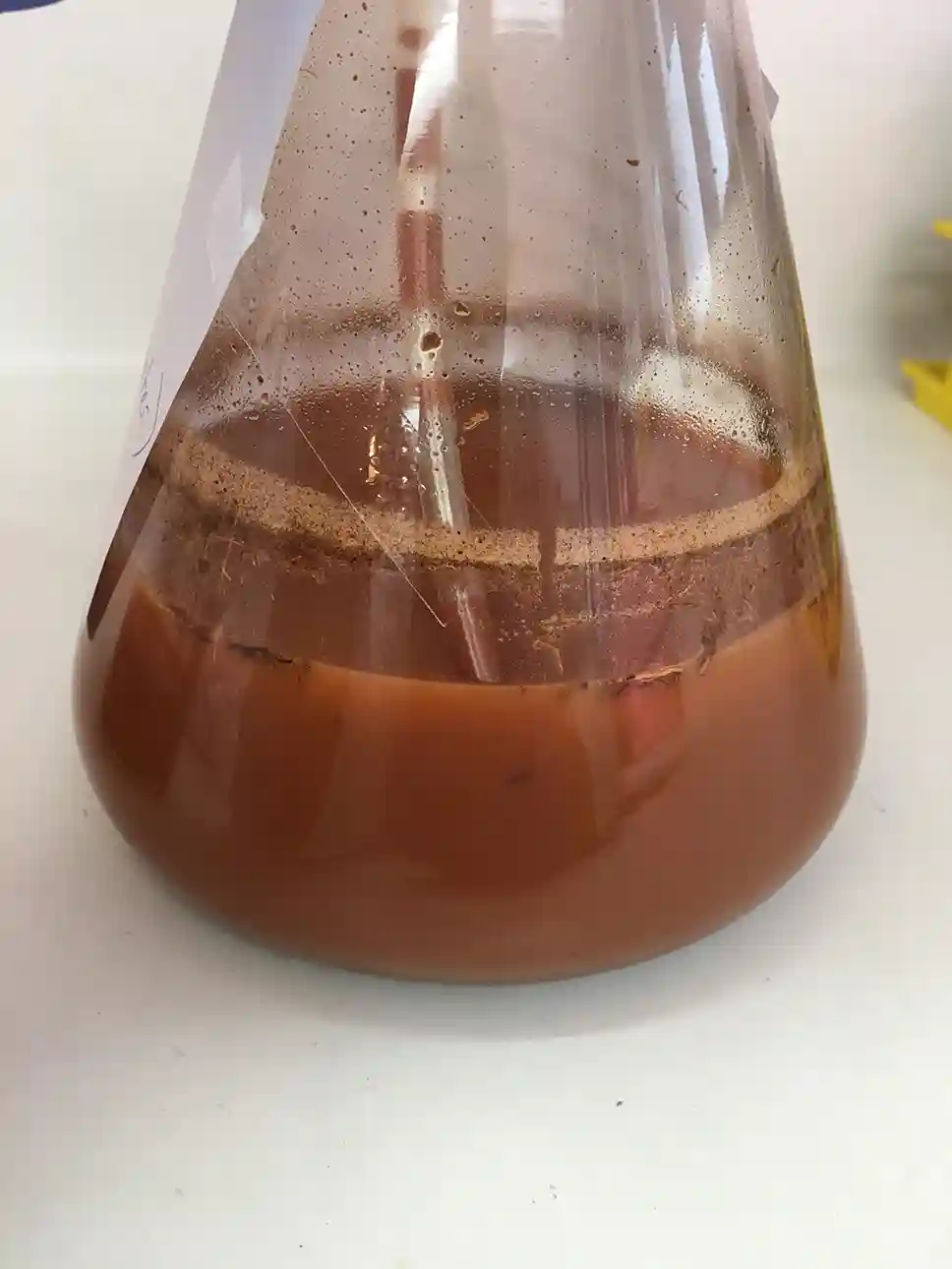
Soil pH drifts — acidifying fertilizers, rain, and our naturally acidic clay all pull it down over time. A test every two to three years catches the drift before it costs you a season. Test sooner right after a renovation or a big lime or sulfur correction to confirm you landed in range.
Soil pH FAQs
Or Let Us Read It For You
Don’t want to fuss with kits and reports? We test your soil, read the pH, KH, and GH, and put down the right lime or sulfur at the right rate as part of our weed control and fertilization program across the south Raleigh suburbs. Text us at 984-284-5399 — text is fastest — and we’ll start your lawn with a soil test instead of a guess.
