

When to Prune Spring-Flowering Shrubs in North Carolina
By Ken Erickson · Updated July 2026
When to Prune Spring Flowering Shrubs in NC
Knowing when to prune spring flowering shrubs is the difference between a wall of blooms and a bare hedge next year. Prune spring-flowering shrubs immediately after they finish blooming — in central North Carolina, before about July 10. That is the whole rule. Miss that window and prune in fall or winter, and you will spend the next spring staring at a green shrub with almost no flowers.
I see it every year across Raleigh’s southern suburbs. A homeowner in Apex or Holly Springs shears their azaleas into balls in October, then wonders in April why the neighbor’s are covered in color and theirs are bare. The plant is fine — the timing was wrong. We are licensed by the state of North Carolina to work on turf and ornamental plants, and pruning timing is one of the most common things we fix on a new property.
Key Takeaways
- Spring-flowering shrubs bloom on old wood — they set next year’s buds in late summer, so the buds are on the plant by fall.
- Prune right after the flowers fade. For most NC spring bloomers that is April through early July, and never after July 10.
- Fall and winter pruning removes next spring’s flowers. The shrub survives; you just lose a season of bloom.
- Common NC spring bloomers: azalea, forsythia, loropetalum, camellia, quince, spring spirea, weigela, and old-wood hydrangea.
Why Timing Matters: Bud Set on Old Wood

Spring-flowering shrubs form the buds for next spring during the current summer, on growth that is already on the plant — what gardeners call old wood. An evergreen azalea sets its flower buds in late summer to early fall. By the time the leaves drop, next April’s flowers are already formed and waiting on the stems.
So if you shear that shrub in November, February, or March, you are cutting those finished buds off and dropping them on the ground. The plant is not hurt — it leafs out fine — but the flowers for that spring are gone.
Spring Bloomers vs. Summer Bloomers
That is the difference between the two camps. Summer shrubs like crepe myrtle, panicle hydrangea, and butterfly bush bloom on new wood — growth they push in the current season — so they are pruned in late winter while dormant. Spring shrubs are the opposite. Bloom in spring, prune after it flowers. Bloom in summer, prune in late winter. Get that one distinction right and you rarely make a timing mistake again. Hydrangea timing is its own puzzle – see growing hydrangeas in NC.
Shrub | Blooms | Prune in NC | Notes |
|---|---|---|---|
Evergreen azalea | Late Mar–May | Right after bloom, by July 10 | Very resilient; Encore types prune light |
Forsythia | Feb–March | Right after bloom | Cut oldest canes to the ground |
Loropetalum | March–April | Right after bloom | Renew, do not shear |
Camellia | Fall–early spring | After flowering, by mid-July | Prune when the last blooms drop |
Flowering quince | Feb–March | Right after bloom | Thin old canes at the base |
Spring spirea | March–April | Right after bloom | Summer spireas differ (late winter) |
Weigela | April–May | Right after bloom | Remove oldest wood at the base |
Old-wood hydrangea | May–June | Right after flowering | Never cut in fall; panicle types differ |
Which Common NC Shrubs Are Spring Bloomers?
If it flowers in late winter or spring — roughly February through May in the Triangle — treat it as an old-wood spring bloomer and prune it right after the show ends. Here are the ones we see most across Fuquay-Varina, Cary, Garner, and the rest of Raleigh’s southern suburbs.
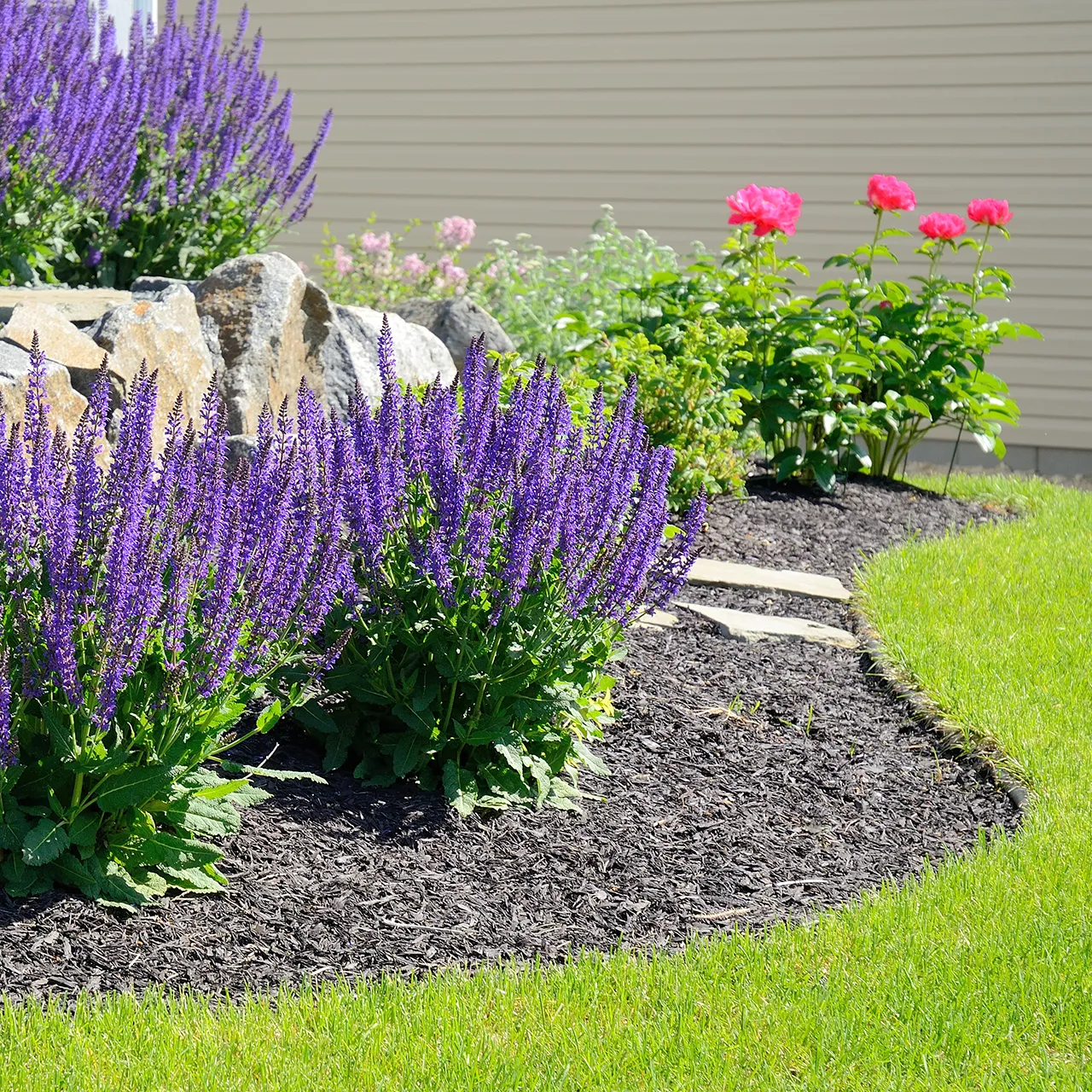
When in doubt, watch a shrub for one full season and note the month it flowers — that single observation tells you when to prune it.
Reblooming Encore-type azaleas are the exception: because they set buds through the season, keep their pruning light and do it only after the main spring flush.
Everything else follows the same rule — wait for the flowers, then prune.
What Is the Pruning Window for the Triangle?
North Carolina’s Piedmont sits in the transition zone, and our bloom sequence runs early. Forsythia and quince often open in February, loropetalum and azaleas peak in late March and April, and the old-wood hydrangeas finish in May and June. Forsythia is the classic early bloomer – here is how to grow and prune forsythia.
Prune the Week the Flowers Fade
The safest habit is to prune shrub by shrub, the week each one’s flowers fade, instead of doing the whole yard on one date. Your February forsythia and your May hydrangea should not be pruned on the same afternoon.
Early Bloomers Come First
That gives you a working window from about mid-April through early July for most spring shrubs — but it starts earlier for the February and March bloomers. Follow the plant, not the calendar.
The July 10 Cutoff
N.C. Cooperative Extension’s pruning calendars put a hard edge on it: prune spring-flowering shrubs immediately after flowering, but not after July 10. Cut later than that and you are back to slicing off the buds the plant just set for next year.
After early July, leave them alone until they bloom again.
How Do You Prune Each Type?
Most spring shrubs want one of two things: light shaping right after bloom, or a renewal cut that removes the oldest wood at the base. Shearing everything into balls on a schedule is what causes most of the problems I get called to fix.
Pruning by Shrub
Azaleas
After bloom you can shear them, tip-prune for shape, or cut an overgrown plant hard — even down low. Evergreen azaleas are tough; they push a fresh flush after a heavy cut and flower the next year. The one exception is reblooming Encore types, which want light, early pruning.
The key is that any hard cut happens right after bloom, never in fall or winter.
Native deciduous azaleas follow the same rule and tolerate hard renewal cuts after flowering.
Technique and Tools
A few plant-by-plant notes for the shrubs we handle most.
Forsythia, Quince, Spirea, and Weigela
These want renewal pruning, not shearing. Cut the oldest, thickest canes back to the ground and let younger wood take over. Shearing them into balls builds a dense outer shell of twigs and a dead, bare interior.
Loropetalum
Almost always planted where it will outgrow the space. Rather than shearing it every few weeks, prune it back after the spring bloom and thin the interior so it keeps a natural form.
Camellia and Hydrangea
Light shaping right after the last flowers drop is all most established plants need. For bigleaf hydrangeas, prune while flowering or immediately after — and leave the fall stems alone. Panicle and smooth hydrangeas are the exception; they bloom on new wood and are pruned in late winter.
Clean Your Blades
Wipe your blades with alcohol between shrubs. Azaleas and camellias can carry wilt and leaf diseases, and dirty pruners spread them plant to plant.
The Renewal Cut
For any multi-stem shrub, removing about a third of the oldest canes at the base each year keeps it full and young without ever leaving it bare. It is the safest cut you can make.
Renewal beats shearing on almost every spring bloomer — better shape, more flowers, no hollow middle.
If you only have a couple of shrubs, this is genuinely a do-it-yourself job. Prune them the week they finish blooming and you will do great.
The Biggest Mistake People Make
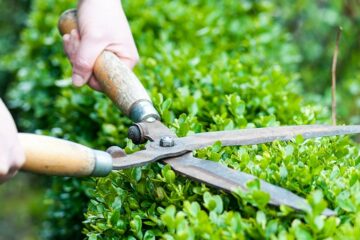
Fall and Winter Shearing
It feels productive to tidy the beds in October, but on spring bloomers it erases the flowers, and late pruning can push tender growth that will not harden off before frost. The other version of the same mistake is shearing everything into meatballs on a schedule — it removes flower wood and hollows out the plant. Most spring shrubs look better and bloom harder with one annual renewal cut than with monthly shearing.
Spring-Flowering Shrub Pruning FAQs
When Should You Call a Pro?
Call us when the job is bigger than a hand-pruner afternoon — overgrown azalea beds that need hard renewal, a row of camellias or loropetalum grown into each other, storm damage, or a property where the previous owner sheared everything at the wrong time for years. We handle hedge and shrub pruning across Fuquay-Varina, Holly Springs, Apex, Cary, Garner, Angier, Willow Spring, Lillington, and South Raleigh, and we prune each shrub in its correct window so it comes back full and flowering. No contracts. See our hedge and shrub trimming service, then call or text 984-284-5399 for a quote.
