

Bermuda vs. Fescue: The Best Grass for Triangle, NC Lawns
By Ken Erickson · Updated June 2026
Bermuda vs fescue is the first decision for any Triangle lawn — the two grasses want opposite things. The Triangle sits in the transition zone, where both warm-season grasses (Bermuda, Zoysia) and cool-season grasses (tall fescue) will grow — and neither is perfect. Here is how to choose between the two most common North Carolina lawns.
Key takeaways
- Full sun, low water, want it bulletproof? Bermuda. NC State bred it for our climate, and it repairs itself.
- Shade, or you want green all winter? Tall fescue – but plan on aerating and overseeding every fall.
- Whatever you plant, the clay underneath is the real problem. Aerate, amend, and go off a soil test.
- Plant fescue in fall; plant Bermuda late spring into summer. Timing matters more than brand.
- On new sod, year one is all about water – that is why we set app-controlled tripods.
Here is the short answer: in our Raleigh-area heat, Bermuda wins the full-sun yards and tall fescue wins the shady ones – but the soil underneath either one decides whether it actually thrives. We sit in the transition zone, so both grasses grow here and neither is foolproof. I formulate Lawn Panther’s turf programs, and I walk a lot of estates where the wrong grass went in the wrong spot. Here is how I pick the right one, and why the usual ‘just seed fescue’ advice falls apart in North Carolina clay.

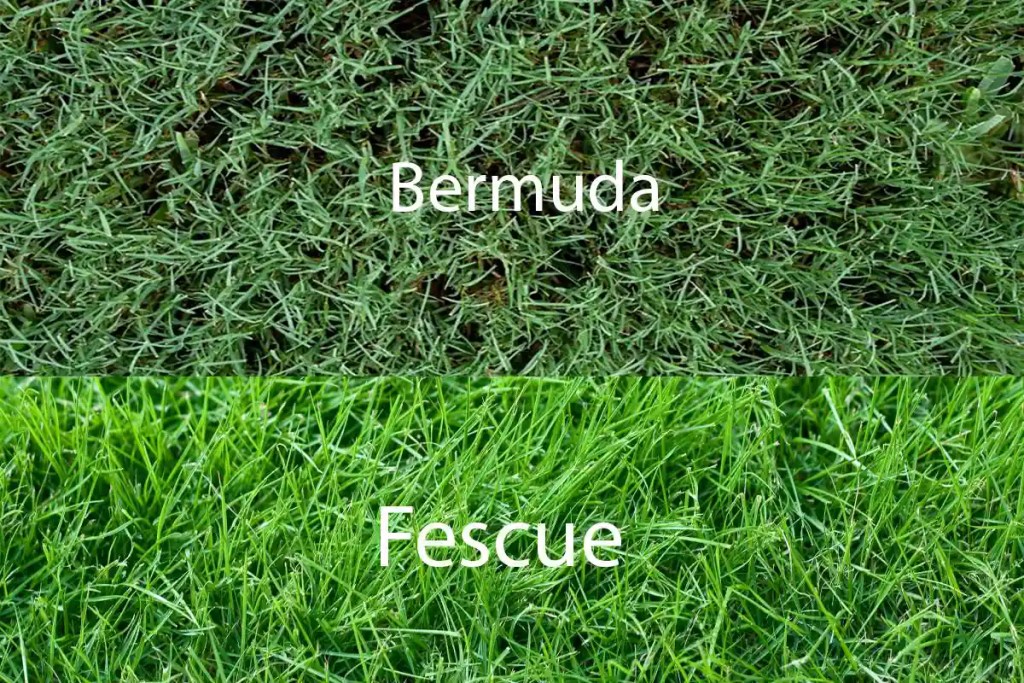
Bermuda vs. fescue at a glance
Why North Carolina is the hard part
Cool-season grasses want 60 to 75 degrees. Warm-season grasses want 80 to 95. Our summers and winters each push one of them out of its comfort zone, so every grass here has a stretch of the year where it struggles. That is the transition zone, and it is why grass choice matters more here than almost anywhere else in the country.
Tall fescue: the shade and winter-color grass
Tall fescue is the most common lawn in our area, and for good reason. It holds its green from fall through spring and tolerates shade far better than Bermuda. It establishes fast from fall seed.
The catch is summer. Heat and humidity stress fescue and bring on brown patch, and it needs water through July and August. To stay thick it wants core aeration and overseeding every fall. Mow it tall, 3 to 4 inches. It grows in clumps with deep roots, so it does not fill its own gaps — you fix thin spots by overseeding.
Bermudagrass: the sun-and-heat champ
Bermuda is what I put on most full-sun lawns down here, and there is a reason: it was bred by NC State to grow in North Carolina. It loves the heat, takes hard use, and repairs itself — it spreads by runners above and below ground, so it crawls into bare spots and fills them in. The golf courses use it for the same reasons. Keeping a Bermuda lawn thick also means staying ahead of weeds — here is the best weed killer for Bermuda grass and how to time it.
The trade-offs are simple. It goes tan and dormant once the first hard frost hits, then greens back up on its own in spring. It needs full sun and thins out in shade. Keep it short, 1 to 2 inches, and in summer that means mowing every 5 days — it grows faster than fescue. Once it is established you may never need a sprinkler. Fescue, you will.
Factor | Tall fescue | Bermuda |
|---|---|---|
Sun needed | 3 to 4 hours a day | 6 to 8 hours a day |
Shade | Good (best in shade) | Poor, thins out |
Winter color | Stays green | Goes tan, dormant |
Drought / heat | Moderate | Excellent |
Mowing | 3 to 4 inches | 1 to 2 in, every 5 days in summer |
Upkeep | Aerate + overseed every fall | Frequent mowing in season |
Best for | Shade, year-round green | Sun, heat, low water |
Bermuda vs. fescue, head to head
Sunlight and shade
Fescue gets by on 3 to 4 hours of sun and handles the filtered light under trees. Bermuda wants 6 to 8 hours and thins in shade. For the mixed sun-and-shade yards we see a lot, fescue wins.
Winter color and dormancy
Fescue gets by on 3 to 4 hours of sun and handles the filtered light under trees. Bermuda wants 6 to 8 hours and thins in shade. For the mixed sun-and-shade yards we see a lot, fescue wins.
Drought, heat, and water
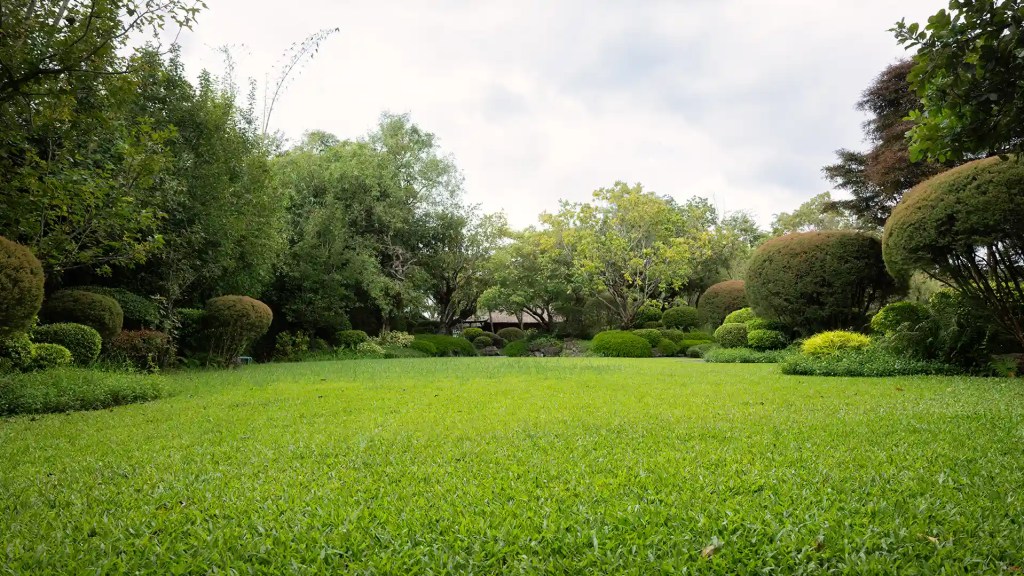
Bermuda is one of the most drought- and heat-tough grasses there is, and an established Bermuda lawn can ride out a dry spell. Fescue is moderate at best and needs steady water in the worst of summer.
Maintenance, and cost
Bermuda uses less water but wants frequent short mowing and self-repairs via runners; fescue mows taller and less often but needs fall aeration + overseeding. Roughly, fescue runs $0.35–0.65/sq ft and Bermuda $0.35–0.85/sq ft (about $160–385 per pallet of sod).
Bermuda uses less water but wants frequent, short mowing in season. Fescue mows taller and less often but earns its keep with fall aeration and overseeding. The bigger cost is doing the soil right underneath, which is where most installs cut corners.
Can you have both?
You can. We will overseed a Bermuda lawn with rye or fescue in the fall so it stays green through the winter while the Bermuda is dormant. Two things to know: that overseed gets killed off when we start the herbicide program on the Bermuda, and it has to be redone every year. It is a choice for people who refuse to look at a tan winter lawn, not a requirement.
When to plant each
Seed fescue in the fall, around September, when the soil sits between 55 and 70 degrees. Plant Bermuda from late spring into summer, once the soil is reliably above 65 degrees and it is actively growing. Get the timing wrong and even the right grass struggles.
But the soil decides it
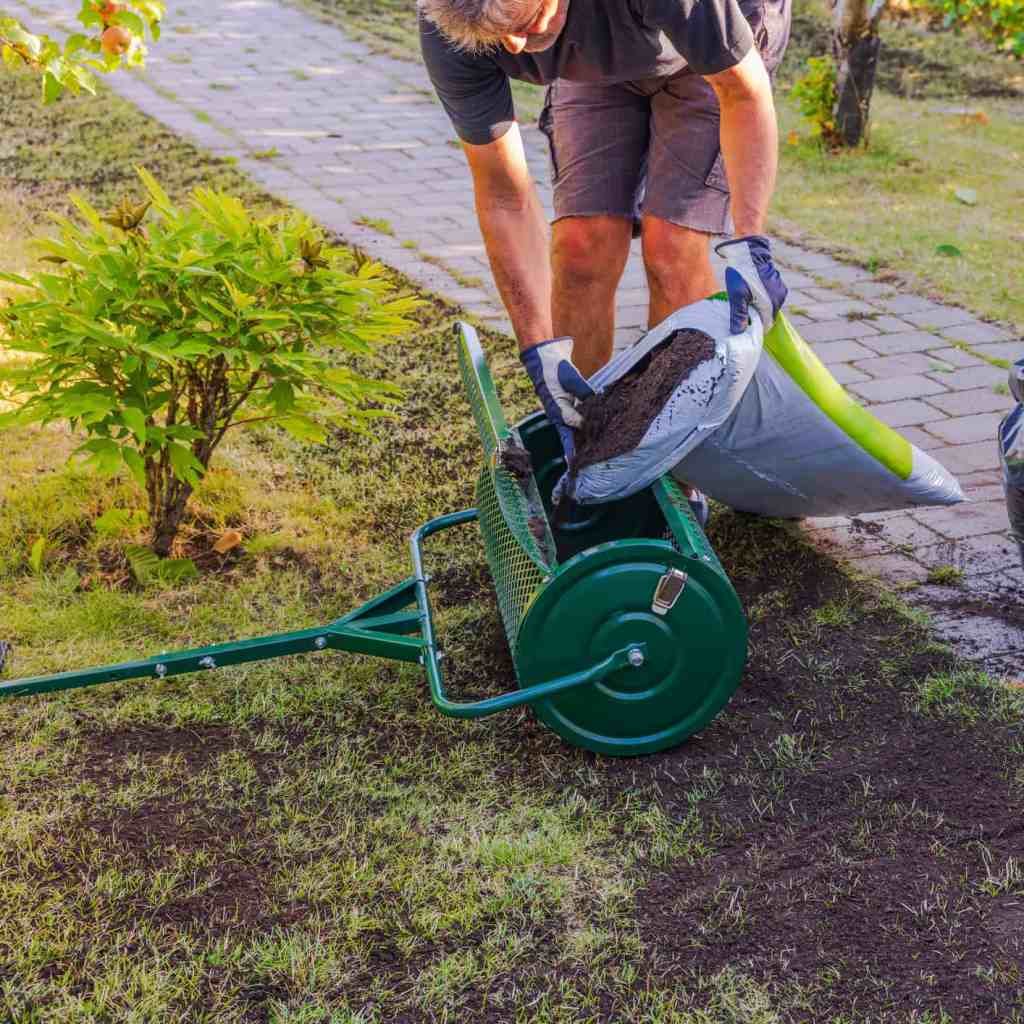
Here is the part most people skip. Our clay gets hard as rock in the summer, and roots cannot get into it. That is why, when we install sod, we put topsoil down first instead of rolling it onto bare clay — and why we aerate and top-dress to give roots somewhere to go. Grass choice matters, but compacted clay will sabotage either one. Start with a soil test and amend for what the lawn actually needs.
What we specialize in and where we earn our keep is getting the grass, the soil, and the timing right so the lawn crowds the weeds out on its own. Learn how to test your soil pH at home, or have us do it for free, and see our lawn aeration service. If you want the spray plan, follow our Bermuda & zoysia weed control schedule.
The transition-zone move: overseeding for year-round green
Which should you choose?
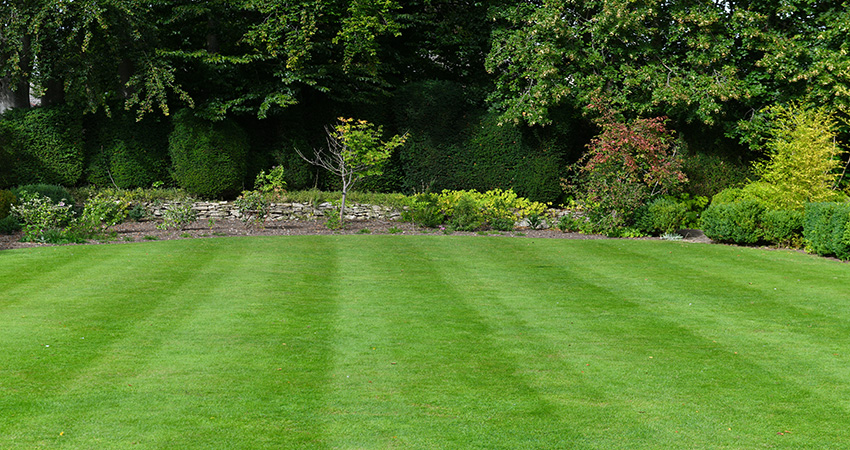
Shady yard? Tall fescue. Full sun and you would rather not water much? Bermuda. Want green all winter and willing to aerate and overseed every fall? Fescue. Sunny, high-traffic, want it bulletproof? Bermuda or Zoysia. Most established lawns here are fescue for the shade and winter color, with Bermuda taking the full-sun properties.
Frequently asked questions
Not sure which is right for your yard?
We will look at your grass, your sun, and your soil and tell you straight which grass and which program will get you the lawn you want. No contracts, and same-day quotes. Text the main number — that is fastest — or request a quote and start with a free soil test. If you land on fescue, dial in the best mowing height for tall fescue.
NC State Extension – Lawns (Gardener Handbook)
