

How to Choose the Best Shrubs for North Carolina
By Ken Erickson · Updated July 2026
Best Shrubs for North Carolina: Start With Your Site, Not the Catalog Photo
The best shrubs for North Carolina are the ones built for our clay, heat, and swing between seasons. Picking shrubs — or bushes, if that is what you call them — in North Carolina is not like picking them anywhere else. We sit in a transition zone: hot, humid summers and real winters, on heavy red clay that drains slow. A shrub that looks perfect in a catalog can still rot in a Fuquay-Varina backyard if the site is wrong. One tough, colorful evergreen we plant often is loropetalum, the Chinese fringe flower. And for the ground beneath them — the bare, shady spots where grass will not grow — see the best low-maintenance ground covers for NC.
I plant, treat, and diagnose shrubs across the Raleigh suburbs for a living. Most failed shrubs were the wrong plant for the spot, not a bad plant. So read your yard before you read the tag: how much sun the spot gets, whether the soil is clay, how big the shrub gets at maturity, and how wet the ground stays. Our area also runs about Zone 7b to 8a — buy in that range and you skip most winter losses. Whether you call them shrubs or North Carolina bushes, the rules below are the same.
Key takeaways
- Match the shrub to your site first — sun, soil, space, and water decide success more than the plant tag does.
- Our area runs about Zone 7b to 8a. Buy shrubs rated for that range to avoid winter losses.
- For heavy Piedmont clay, the reliable picks are yaupon holly, Virginia sweetspire, oakleaf hydrangea, and inkberry.
- Plant in fall, and skip the problem plants — Leyland cypress and boxwood both have disease issues here.
Best Evergreen Shrubs for North Carolina
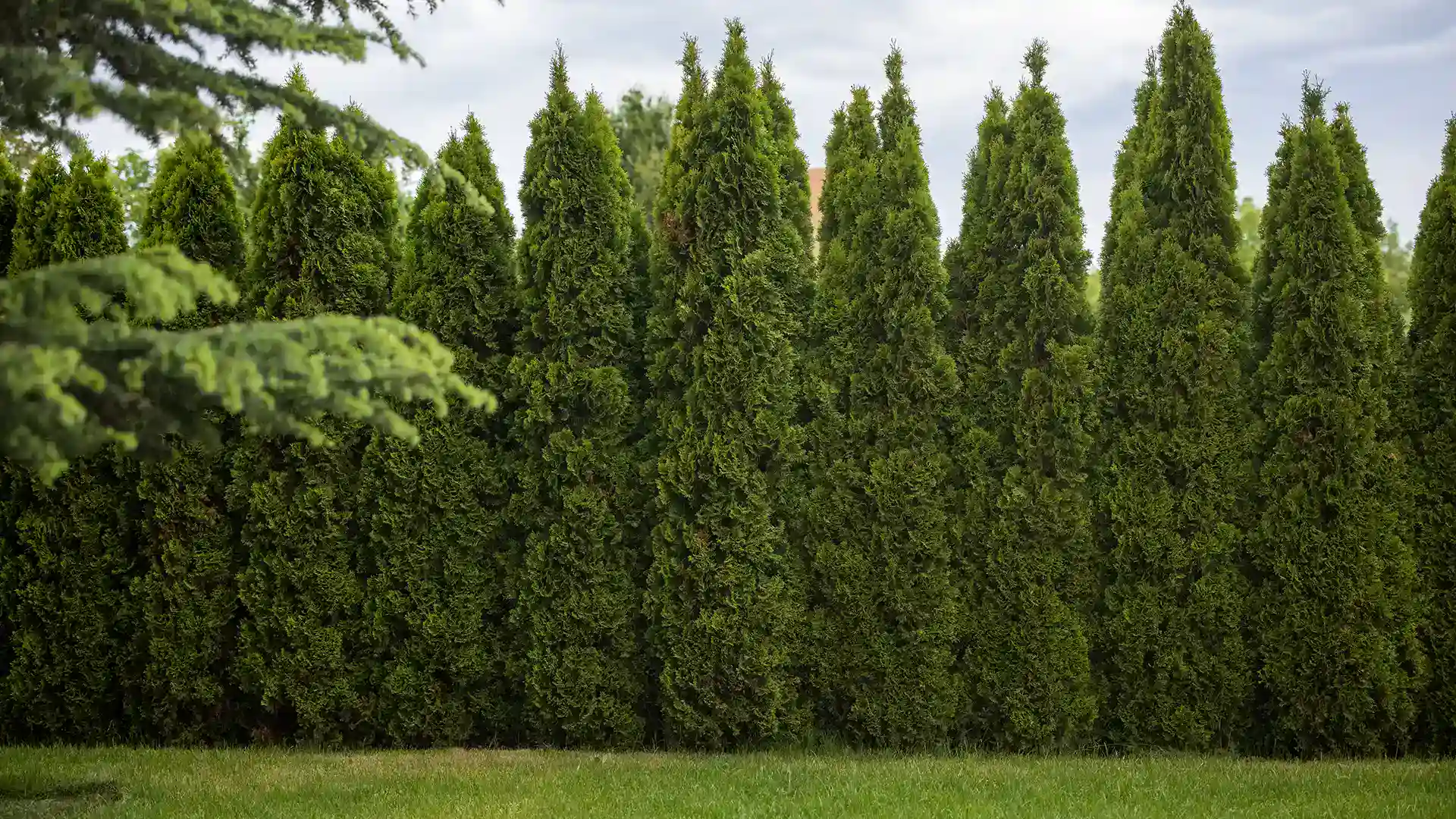
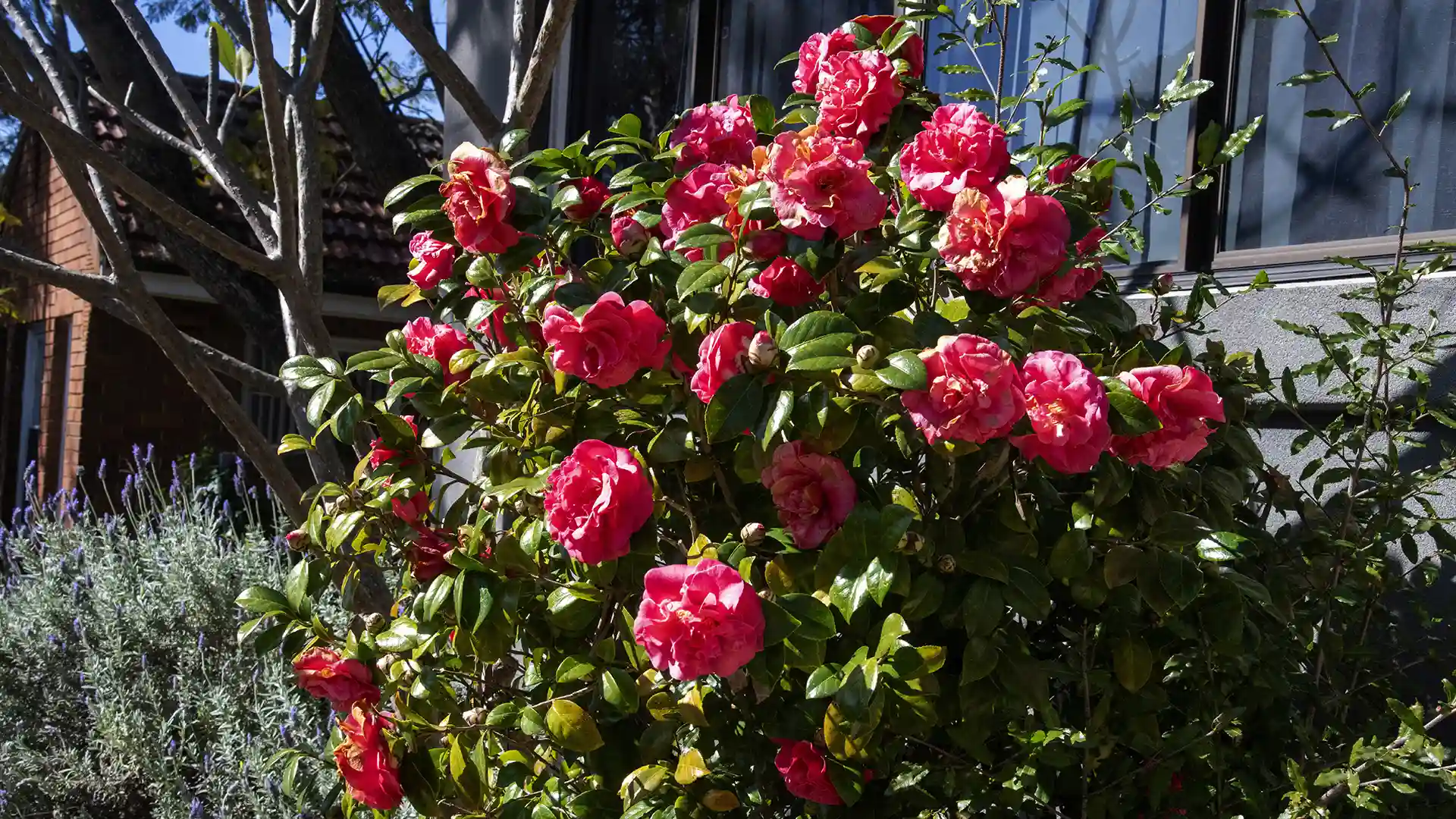
Evergreens carry the yard through winter, so I build most plans around them first. Yaupon holly is my workhorse — it runs 10 to 20 feet, takes clay, sun, drought, and shearing, and the birds get the red berries. Camellia gives glossy leaves and blooms when nothing else does: sasanqua flowers in fall, japonica in winter and early spring. Loropetalum (Chinese fringe flower) runs 6 to 8 feet with burgundy foliage and pink flowers, and asks for almost nothing. For a dense, fragrant screen, Fortune’s tea olive (Osmanthus x fortunei) is the tea olive I trust in our zone — hardier than the common tea olive, which frost can nip. Japanese holly and inkberry both give the tidy, boxwood look without boxwood’s disease problems, and inkberry is the NC native I use in foundation beds. Together these give the landscape structure twelve months a year. The big evergreens you build around are your anchor plants — the structure the rest of the bed hangs on.
Evergreens also make the best privacy screens, and screening is where people waste the most money on the wrong plant. Here is how to pick one and space it right.
Best Shrubs for a Privacy Hedge or Screen
The fast growing shrubs for privacy most people want here are Green Giant arborvitae and wax myrtle.
Shrub | Zone | Sun and type | Best for |
|---|---|---|---|
Yaupon holly | 7–9 | Sun to part shade · evergreen. Foolproof. Can’t kill ’em and the deer don’t eat them. Stay green, look pretty, and a mature shrub only needs to be trimmed twice a year | Clay, screening, berries |
Nellie R. Stevens holly | 6–9 | Full sun · evergreen | Fast privacy hedge |
Camellia | 7–9 | Part shade · evergreen. Plant in speckled sun. Grows slow, but can reach 20 feet. Beautiful big selection of colors for flowers. | Fall and winter blooms |
Loropetalum | 7–9 | Sun to part shade · evergreen. The builders shrub. Foolproof. A mature shrub needs to be trimmed 4x a year since they grow fast. The dead leaves stick like velcro to dogs fur and clothing. | Color, low care |
Oakleaf hydrangea | 5–9 | Sun to part shade · deciduous | Blooms plus fall color |
Virginia sweetspire | 5–9 | Sun to part shade · deciduous | Wet or clay soil |
American beautyberry | 6–10 | Sun to part shade · deciduous | Purple berries, birds |
Abelia | 6–9 | Sun to part shade · semi-evergreen | Long bloom, pollinators |
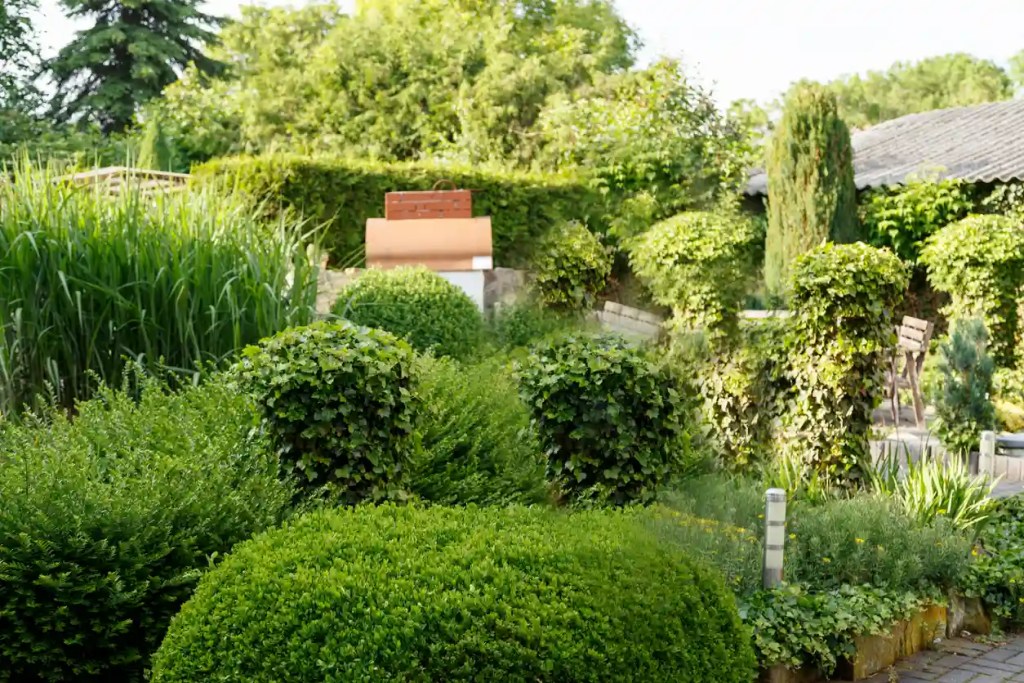
Boxwood | 5–9 | Sun to part shade · evergreen. The star of the Hamptons’ hedgerow. Great for coastal areas. | Formal clipped hedges |
Japanese holly (Ilex crenata) | 5–8 | Sun to part shade · evergreen. Foolproof. Can’t kill ’em and the deer don’t eat them. Stay green, look pretty, and a mature shrub only needs to be trimmed twice a year | Boxwood look, no blight |
Dwarf yaupon holly | 7–9 | Sun to part shade · evergreen. Foolproof. Can’t kill ’em and the deer don’t eat them. Stay green, look pretty, and a mature shrub only needs to be trimmed twice a year | Low boxwood-style edging |
Wax-leaf privet (Ligustrum) | 7–10 | Full Sun to part shade · evergreen. One of my favorites. Grows fast, big and lots of privacy year round, and they will grow in full sun. My pick for a 10 foot privacy screen a long a fence. The only downside is they don’t have pretty flowers, so stagger these with Camelias. | Fast evergreen hedge |
Green Giant arborvitae | 5–8 | Full sun · evergreen | Fastest tall privacy screen |
Emerald Green arborvitae | 3–8 | Full sun · evergreen | Narrow formal privacy hedge |
Tea olive | 7–9 | Sun to part shade · evergreen. Easy to grow, pretty, smells great. Always add one of these! | Fragrant dense screen |
Inkberry holly | 5–9 | Sun to part shade · evergreen. Foolproof. Can’t kill ’em and the deer don’t eat them. Stay green, look pretty, and a mature shrub only needs to be trimmed twice a year | Native evergreen for beds |
Spirea | 4–8 | Full sun · deciduous. Beautiful flowers. Lots of variety. Great to space in between bigger shrubs up front like privets. | Easy color, mass plantings |
Best Flowering Shrubs for North Carolina
For color, our climate is generous if you pick right. Camellia is the star of the cool season — sasanqua blooms in fall, japonica carries you from winter into spring. Loropetalum adds pink spider-flowers over burgundy leaves, and tea olive perfumes the whole yard. Oakleaf hydrangea is my top native for bloom: white summer cones, wine-red fall leaves, and it takes part shade.
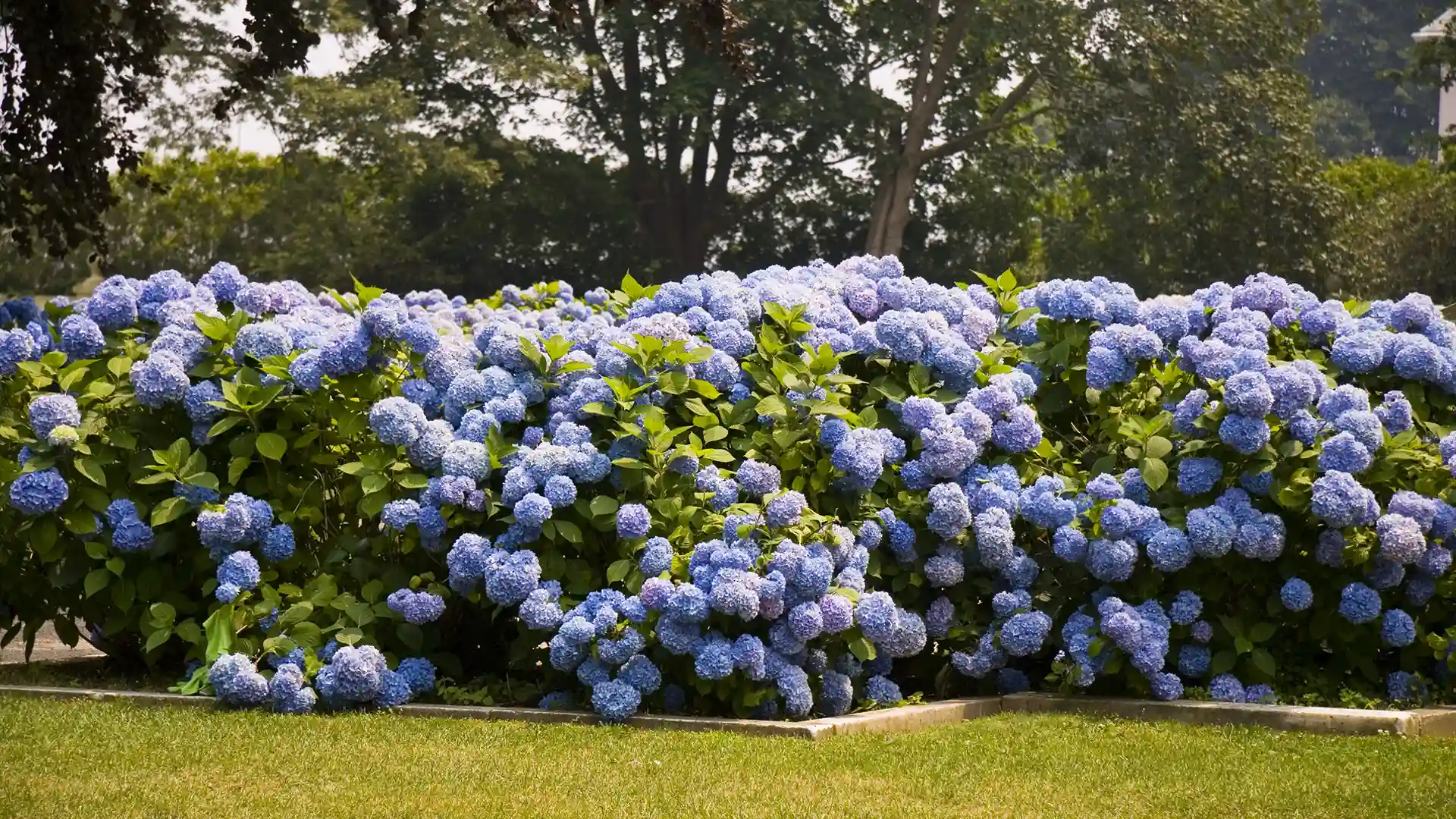
Bigleaf hydrangea — the classic blue mophead — is the other favorite, and our acidic Piedmont clay is what turns the flowers blue; sweeter soil turns them pink. Abelia blooms spring to frost and feeds pollinators, and gardenia adds fragrance in part shade.
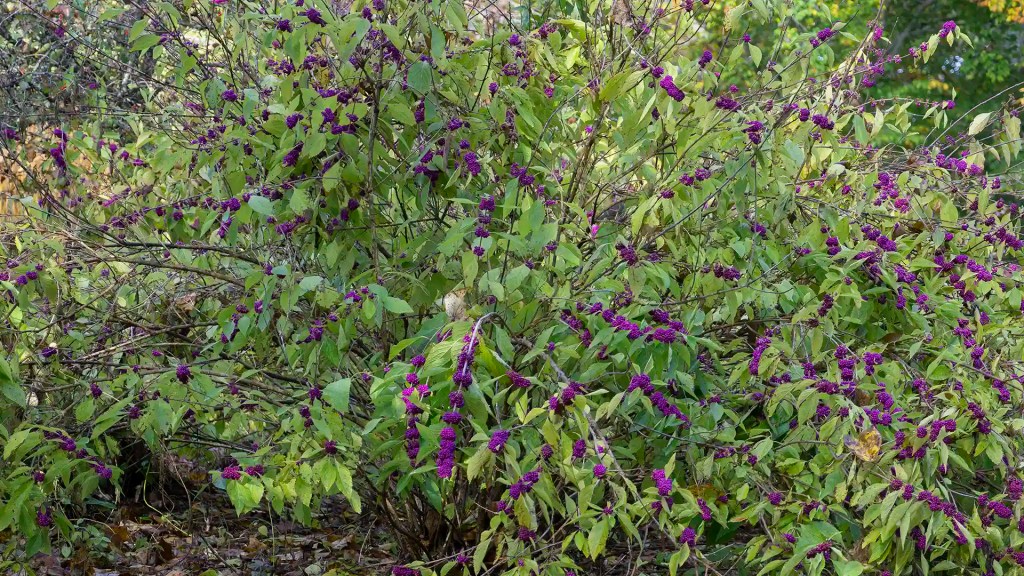
American beautyberry trades flowers for electric-purple berries that songbirds strip in fall — one of several NC native shrubs on this list. Azaleas still earn their spot in part shade with acidic soil.

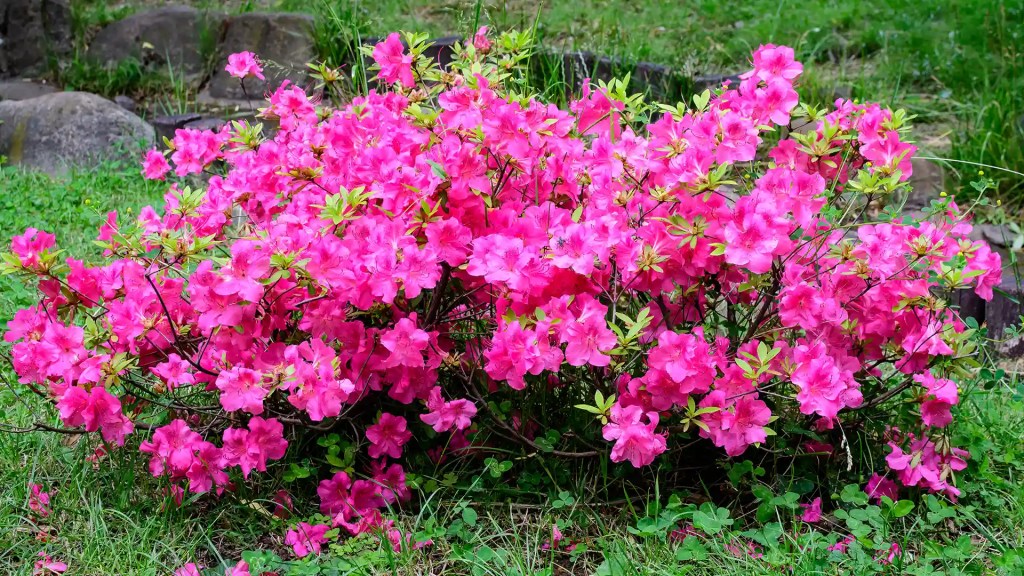
And the crepe myrtle is the summer workhorse of the South — months of bloom, if you prune it right. If you own crepe myrtles, read my crepe myrtle care guide before you cut anything.
Best Shrubs for Piedmont Clay Soil
This is the section the big national guides skip, and it is the one that matters most here. Our red clay is the number-one reason shrubs die in the Raleigh suburbs, so the best shrubs for clay soil are simply the ones that like it.
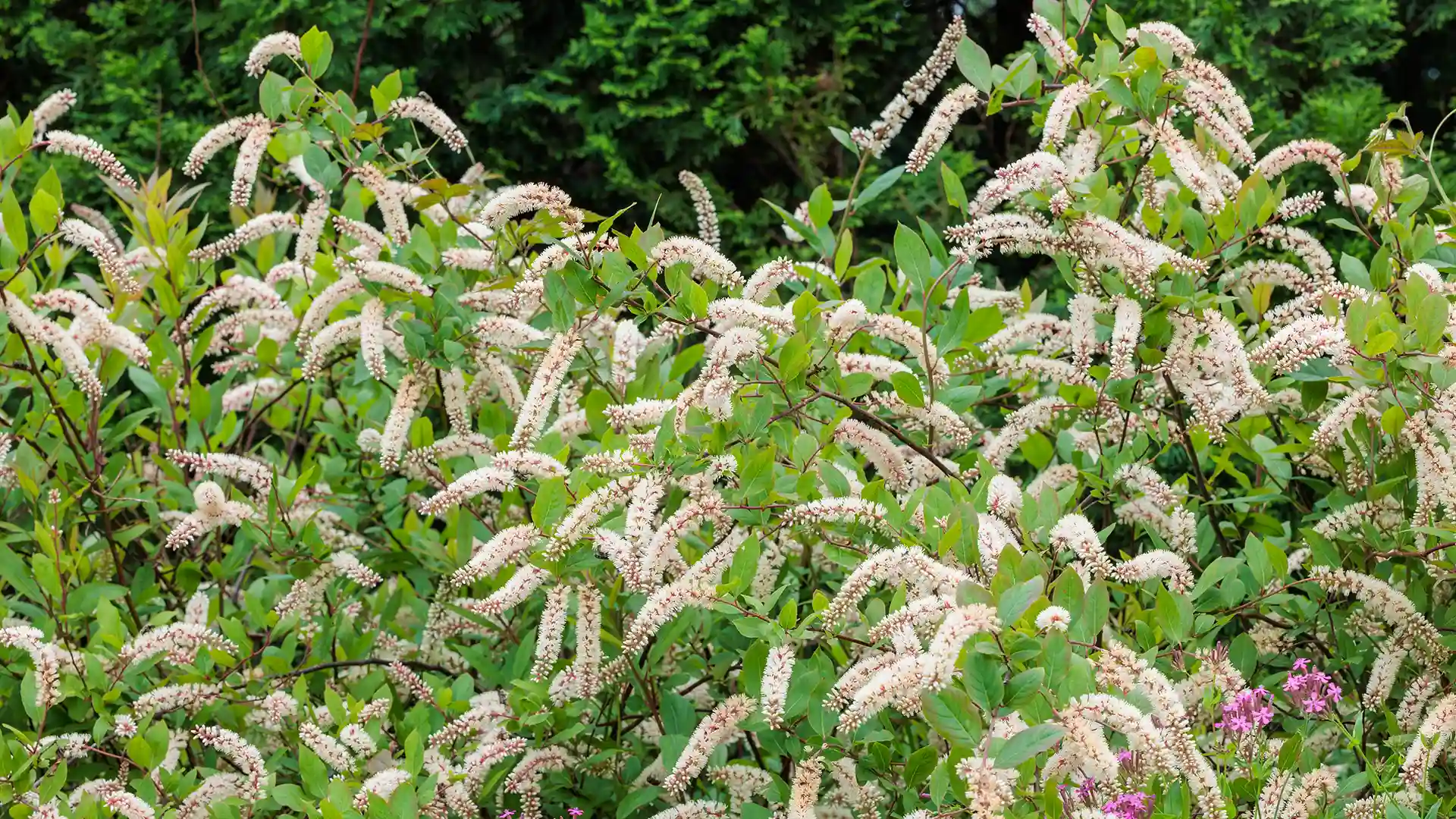
The Clay-Tough Shrubs
The shrubs that shrug off heavy clay: yaupon holly, inkberry holly, Virginia sweetspire, oakleaf hydrangea, summersweet, and red chokeberry. Several are North Carolina native shrubs — inkberry, Virginia sweetspire, oakleaf hydrangea, and red chokeberry — so they already suit our soil and feed local wildlife. Start with a plant that likes the soil you have, and you are already ahead.
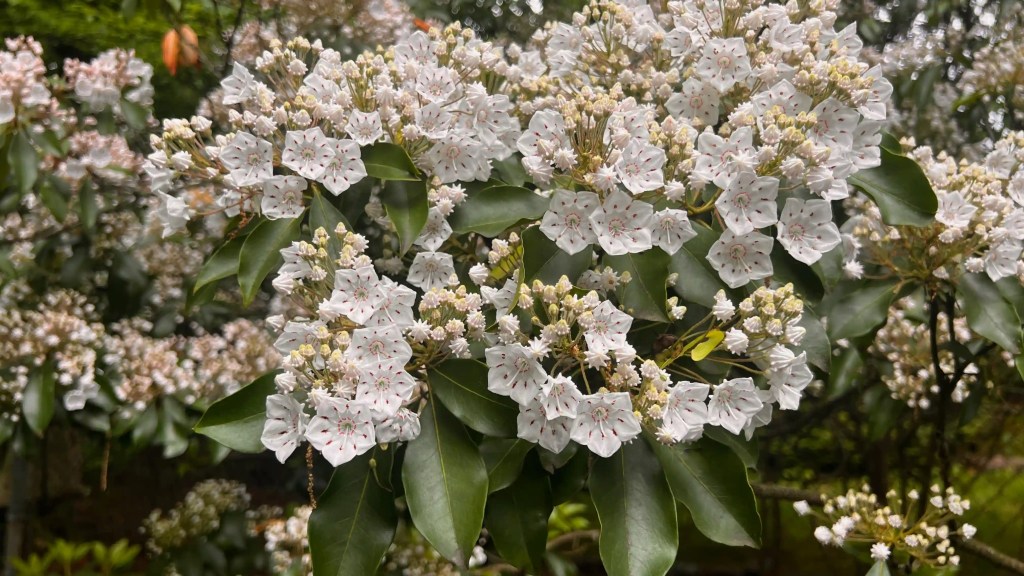
Mountain Laurel Too, If It Drains
Mountain laurel does well in our clay as long as the spot drains and stays a little acidic. Give it bright shade and it rewards you with cup-shaped spring blooms.
Match the Plant to the Soil
Do not fight your soil. Pick a shrub that already wants what your yard has, and you spend your weekends enjoying the plant instead of nursing it.
That takes care of the tough spots. Now for the shrubs that ask the least of you.
Best Low-Maintenance and Deer-Resistant Shrubs
If you want low maintenance shrubs you can plant and mostly forget, the easiest here are loropetalum, distylium, abelia, spirea, yaupon holly, and camellia. Distylium is the modern low hedge — no serious pests or disease, and deer leave it alone. Deer are a real problem on wooded suburban lots, so deer resistant shrubs matter: they tend to skip yaupon, inkberry, distylium, cleyera, and Fortune’s tea olive, while they graze azaleas, hydrangeas, and Emerald Green arborvitae hard. No shrub is truly deer-proof, but these get browsed last.

When and How to Plant Shrubs in NC
Plant in Fall
Plant in fall. Our fall is long and mild, so roots settle into warm, moist soil before summer heat — NC State calls fall and winter the best planting window. Spring is the backup; summer is the hard way.
Strip the grass out of the bed first — turf steals water and nutrients from new roots. Dig the hole twice as wide as the rootball and loosen the sides so roots can escape the clay. Set the plant slightly high and backfill with the native soil improved a little — not pure bagged mix, which turns the hole into a bathtub. Work the bed 6 to 8 inches deep and mix in compost.
My favorite? The privets for privacy all a long the fence, and space them out with a camellia every now and then for their beautiful flowers for an evergreen hedgerow. Then spireas in between up front, but first I plant the privets and the camellias. After they are growing well the first year, my irrigation is in, my beds are mulched? Then in between those big shrubs, up front, and down low I put the spiraea with their different color flowers, keeping privets trimmed up from the ground so they do not out shade everything underneath. Then add perennials bulbs and perennial ground cover in the 3rd year.
New shrubs need water about once a week from April to November if it does not rain, for the first one to two seasons — drip irrigation or a soaker hose is best. Roots take two to three years to fully establish. Add two to three inches of mulch, kept off the stems, and feed with a slow-release fertilizer in March.
Space and Group Them Right
Here is the spacing most people get wrong. To figure how many plants a hedge needs, divide the hedge length by the spacing and add one — a 50-foot hedge at 5-foot spacing needs eleven plants. As a rule of thumb, space shrubs at about half their mature width. Low hedges (boxwood, dwarf yaupon, Japanese holly) go 1.5 to 3 feet apart; medium screens 3 to 5 feet; large hollies about 8 feet; big conifers at least 15 feet. For a thicker screen, plant a staggered double row — two zig-zagged rows about 18 inches apart — which also spaces the plants wider for better airflow and less disease. And do not monoculture a long run: mixing three or five species means one disease can’t wipe out the whole screen.
When You Can Skip Us
A few foundation shrubs on a Saturday is a fine do-it-yourself job — dig it wide, improve the hole, water it in. Call us when it is a full screen, an estate planting, or when shrubs keep dying in the same spot and you want to know why. That is what our shrub and tree service is for.
Shrubs I Would Think Twice About
Leyland cypress gets planted everywhere for fast privacy, then falls apart. It grows 60 to 70 feet — far bigger than people expect — and here it is plagued by Seiridium canker, Botryosphaeria dieback, needle blight, bagworms, and spider mites, none of which have a real cure. Crammed at 5 feet apart when it wants 12 to 15, it gets no airflow and the disease takes hold. NC State flags it as problematic. Plant Green Giant arborvitae, a holly, cryptomeria, or wax myrtle instead.
Boxwood and Its Look-Alikes
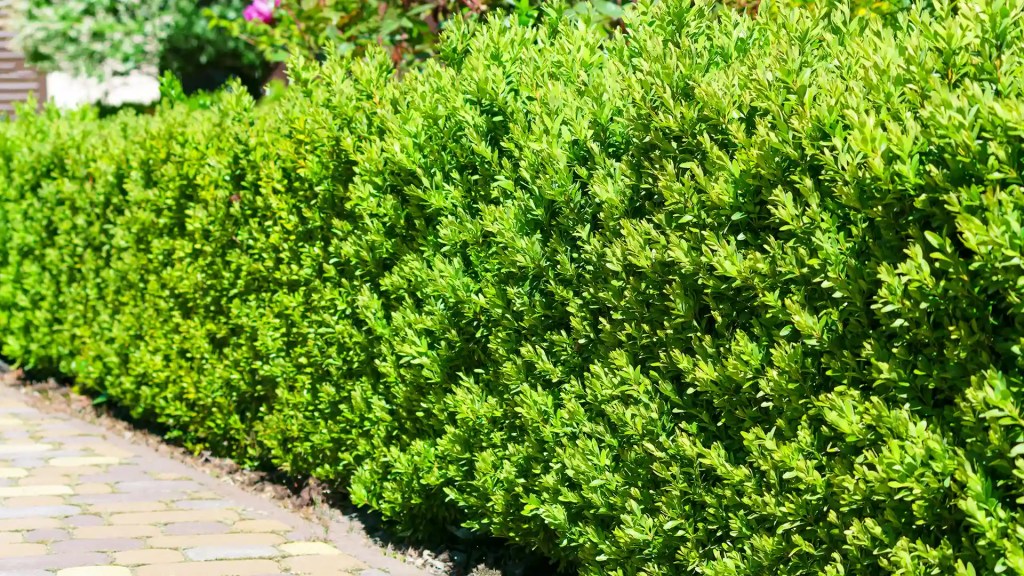
Boxwood is a North Carolina classic and worth planting — just plant it smart. Boxwood blight is established in NC (it was first found here and in Connecticut), it spreads fast in a clipped hedge, and it survives years in the soil, so no boxwood is truly immune. Choose blight-tolerant types — NewGen or the Korean boxwoods — give them airflow, and don’t shear them wet. If you want the same tidy, formal look with zero blight risk, plant distylium, dwarf yaupon, Japanese holly, or inkberry instead — they all clip into the same low, dense shape.
Buy for the Site, Not the Sale
I would not plant a moisture-loving shrub on a dry clay bank just because it was on sale — the plant tag beats the sale price every time. And skip Chinese privet: it is invasive in NC and nearly impossible to remove once it seeds into the woods.
Regionally Adapted Beats Trendy
Here is the one opinion I will push: the low-maintenance shrub is almost always the regionally adapted one. A plant bred for our heat and clay needs less water, less spray, and less fussing than whatever is trending — because it already fits where it lives.
Get those calls right and the rest is easy.
Right plant, right spot, planted in fall — that is the whole game with shrubs here.
Planting the Right Way — the Southern Difference
Put Drip Irrigation In First — Then Plant
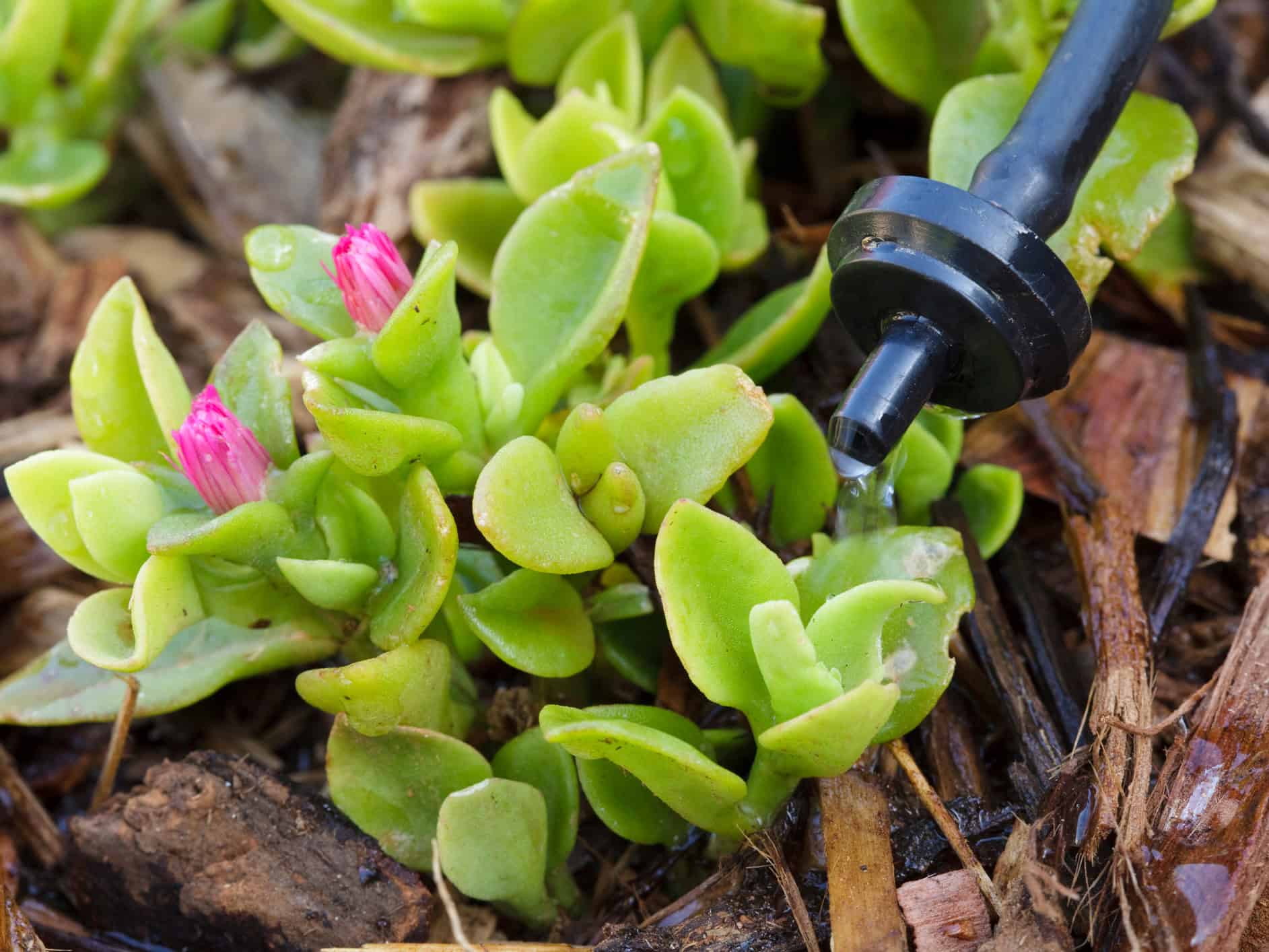
Here is the tip that saves the most new shrubs, and it is the one people skip: put drip irrigation in first, then plant. Water does not just improve the odds — done right, it can double a new shrub’s growth, especially in the beginning. You can start with a smaller shrub, save money, and grow it fast if you have water. The hot Carolina summer gives you plenty of sun for growing. A new shrub without water does not just stall, it dies, because our clay dries out it into rock, and new roots cannot pull a drop out of it. The worst way to learn this is planting three thousand dollars worth of shrubs, watching them shrivel and then trying to install drip irrigation in 100-degree July sun. It’s brutal. Don’t make that mistake. Do it the other way: get the irrigation in first — then plant, and you can keep planting all summer long. Bought a new house and you want to get planting? Lay the irrigation hose first. Tap in as you add shrubs, and trees.
A mature shrub needs 2-3 gallons a day. Roots take two to three years to establish, before the shrub even starts growing.
And your water question — How Much Water does a Mature Shrub Need?
The honest answer from NC State / Clemson / UGA extension: a mature, established shrub is not a daily-watering plant. The rule of thumb is ~1 inch of water per week, counting rainfall — and delivered as one deep soak, not daily sprinkling. Deep-and-infrequent drives roots down and builds drought tolerance; shallow daily watering keeps roots at the surface and makes the shrub weaker. In our clay, an inch soaks to about 8 inches, and if you get an inch of rain that week you usually don’t water at all.
The “per day” idea comes from newly planted shrubs — those do need frequent (near-daily) water the first month, then taper to weekly over the first 1–2 seasons until established. Same plant, opposite strategy by age.
In gallons: 1 inch of water ≈ 0.62 gallons per square foot of root zone, so a small shrub is a few gallons per weekly soak and a large one is ~10–15 gallons — bumped up in July heat, cut back in fall.
Want Privacy Shrubs as Fast as Possible?
Want privacy? Fast? Put in irrigation. It is the most common mistake I see new homeowners make. You think you are going to get out there and water with a hose every day? Then the family wants to go to the beach for a week, and your investment, your privacy hedge dreams? They are dead in the ground, when you come back. We always recommend running a drip and micro-sprinkler system to new shrubs and trees when we plant them — and there is no charge for the app and tech help. It is a great DIY project and something to sink your teeth into right away, especially if you started the planting season too late.
Shrub Selection FAQs
Want Your Shrubs Chosen and Planted Right?
Not sure what belongs in your yard, or tired of replacing shrubs that keep dying? Our education and background in controlling pests on turf and ornamental plants is extensive, and we are licensed by the state of North Carolina to apply herbicides and pesticides on turf and ornamental plants such as shrubs and trees. Text us at 984-284-5399 for a same-day quote, or see our shrub and tree care service.
Sources
NC State Extension — Shrubs: gardening.ces.ncsu.edu
NC State Extension — Evergreen Shrubs for Blocking Views: henderson.ces.ncsu.edu
USDA Plant Hardiness Zone Map: planthardiness.ars.usda.gov
