

How to Fertilize Tall Fescue in NC (Fall Nitrogen Is King)
By Ken Erickson · Updated August 2026
Key Takeaways
- Tall fescue is a cool-season grass, so the feeding rhythm is the opposite of Bermuda: the big nitrogen goes down in fall, not summer.
- Plan on about 3 to 4 pounds of nitrogen per 1,000 square feet per year, with the majority applied September through November.
- Feed light in early spring (before mid-March) and never push heavy nitrogen in the summer heat.
- Soil test first and correct pH with lime, because fescue can not use fertilizer well in acidic red clay.
- Summer nitrogen fuels brown patch, the most damaging fescue disease in the Triangle’s heat and humidity.
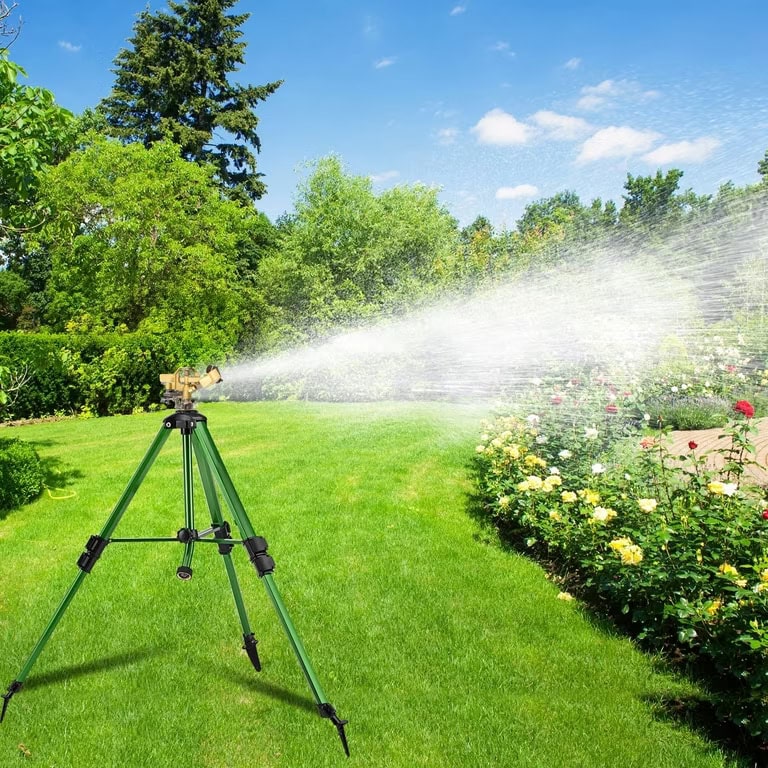
Why fall nitrogen is king for tall fescue
Tall fescue does its real growing when the soil is cool and moist, from September into spring. That is when the plant is building roots, thickening, and storing energy. Fall is the single most important feeding window of the year. Nitrogen applied in September and again in November goes straight into a healthy, actively growing plant that turns it into deep roots and dense turf, not disease-prone top growth.
This is the exact opposite of Bermuda, which sleeps in winter and gets its big nitrogen in the summer heat. Same yard, same red clay, completely different calendar. Naming that fork matters, because most of the bad fescue advice online is really Bermuda advice in disguise. If your lawn is a warm-season grass, our Bermuda and Zoysia lawn maintenance plans follow the other rhythm entirely, and our guide on how to fertilize Bermuda grass shows just how far apart the two schedules sit.
How much nitrogen does tall fescue need per year?
For an established tall fescue lawn in North Carolina, NC State recommends roughly 3 to 4 pounds of actual nitrogen per 1,000 square feet per year. That is the total across all applications, not a single dose. Most of that total belongs in the fall.
“Actual nitrogen” is the number that matters, and it is easy to miscount. A 50-pound bag of 16-4-8 is 16 percent nitrogen, so it contains 8 pounds of actual N. Spread over 8,000 square feet, that is 1 pound of nitrogen per 1,000 square feet. A single feeding should land in the 0.5 to 1 pound per 1,000 range, never more in one pass, or you risk burning the grass and forcing soft growth. Split the annual total into several light feedings instead of one heavy one.
What month should I fertilize fescue in NC?
Timing is everything with a cool-season grass. Here is the month-by-month feeding schedule for a Piedmont lawn in the Triangle. Rates are actual nitrogen per 1,000 square feet.
The pattern is clear: a light touch in late winter and early spring, nothing in summer, then the heavy lifting September through November. If you only remember one thing, remember the September feeding. It does more for a fescue lawn than any other application on the calendar. Feeding is one column of a bigger year — our month-by-month fescue calendar sets mowing, seeding, and pre-emergent alongside it.
| Month | Nitrogen rate (lbs N / 1,000 sq ft) | Purpose |
|---|---|---|
| February | 0.5 to 1 | Light late-winter feed for early green-up |
| Early March (before Mar 15) | 0.2 to 0.5 | Light spring feed only, then ease off |
| April – May | 0 to light iron only | Color without pushing growth into summer |
| June – August | 0 (do not fertilize) | Skip nitrogen to avoid brown patch |
| Mid-September | 1 | The most important feeding of the year |
| November | 0.5 to 1 | Root and cold-tolerance feed |
Should I test my soil and pH first?
Yes, before you buy a single bag. Fertilizer only works if the soil chemistry lets the plant take it up, and our red clay in the southern Triangle tends to run acidic. Tall fescue wants a soil pH around 6.0 to 6.5. Below that, nitrogen and other nutrients get locked up and you are essentially throwing money on the ground.
A soil test tells you your pH and exactly which nutrients you are short on. In North Carolina, the NCDA soil lab is free for most of the year, though there is a small fee during the December 1 to March 31 peak season, so fall is a smart time to sample. If the test calls for lime, apply it to bring pH up. We cover the details in our guide to soil pH and lime, and you can also learn how to test soil pH at home for a quick check between lab tests.
This is the honest DIY line: pulling a soil sample and spreading a straight fertilizer is well within reach for most homeowners. Where people get into trouble is reading the results, correcting pH on clay, and diagnosing why a lawn is thin. That is where a turf background earns its keep.
Nitrogen, potash, and iron: what the numbers mean
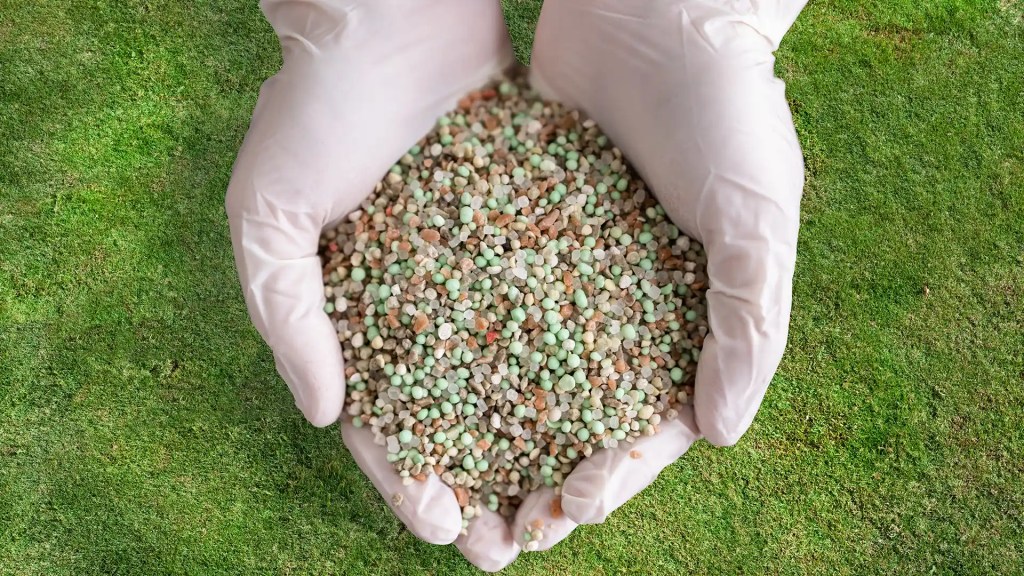
Every fertilizer bag carries three numbers, the N-P-K ratio: nitrogen, phosphorus, and potassium. For established fescue with no phosphorus deficiency, NC State suggests a turf-grade product in a 4-1-2 ratio, such as 16-4-8. Here is what each piece does.
Nitrogen is the growth and color engine. It is the number you plan the whole calendar around, and the one you keep out of the summer.
Potassium, often called potash, is the stress nutrient. It strengthens cell walls, improves rooting, and boosts cold and drought tolerance. Potassium in the fall feeding helps fescue harden off for winter and hold up better the following summer.
Iron is the shortcut to deep green color without a flush of growth. A light iron application in late spring can green up a lawn heading into summer without forcing the tender top growth that nitrogen would, which is exactly what you want before disease season. It is a color tool, not a growth tool.
Getting this mix and the timing right, year after year, is the core of our lawn fertilization service and our expert fescue lawn maintenance plan. We are licensed by the state of North Carolina to apply herbicides and pesticides on turf and ornamental plants such as shrubs and trees, so the feeding, weed control, and disease work all come from one plan instead of three guesses.
Do I need starter fertilizer when overseeding?
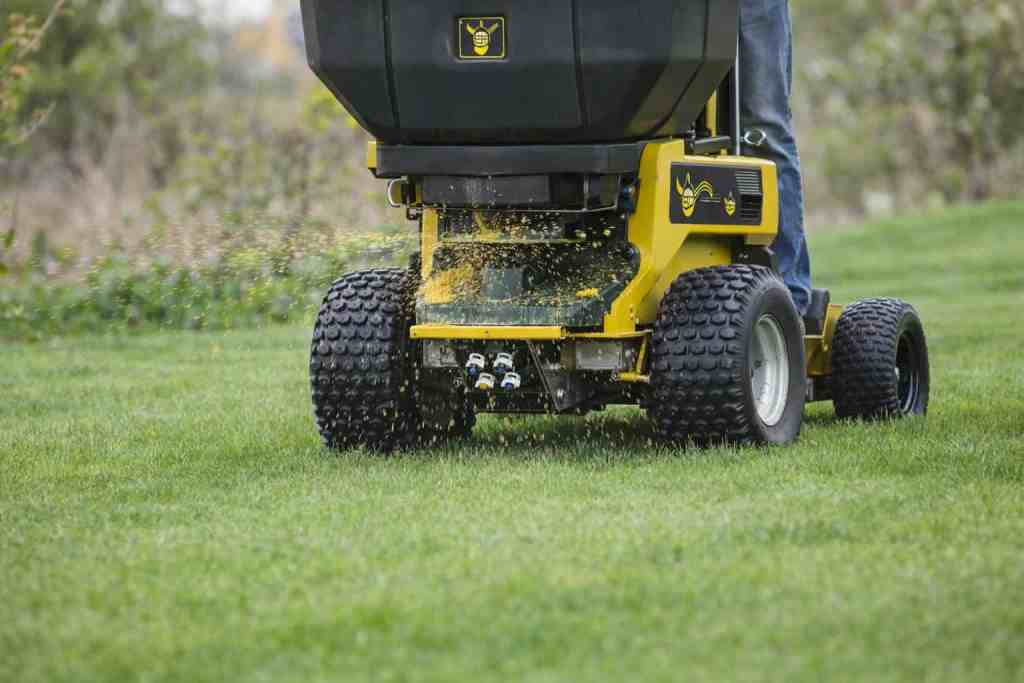
If you are overseeding fescue, yes. Fescue does not spread and fill in the way Bermuda does, so it thins out over time and needs fresh seed every fall to stay dense. Fall is the right window for that work: aerate to open up the clay, overseed, and feed the new seedlings.
New seed needs phosphorus to build roots, which is why a starter fertilizer carries a higher middle number, something like a 10-10-10 or a dedicated starter blend. Put it down at seeding so the young grass has what it needs from day one. The timing lines up perfectly with your fall nitrogen program. Our guide on when to aerate and overseed your lawn in North Carolina walks through the sequence, and the aeration itself is covered under lawn aeration.
Why you should never fertilize fescue in summer
This is the rule most homeowners break. Nitrogen tells fescue to grow, and forcing new growth in July is asking for trouble. Summer top growth is soft and tender, and it lands right when the Triangle turns hot and humid, the perfect conditions for brown patch.
Brown patch is a fungal disease and the most widespread problem in North Carolina fescue lawns. It shows up as circular tan patches in the heat, and nothing feeds it faster than a shot of summer nitrogen on a wet, humid night. NC State and Clemson both say the same thing: hold your nitrogen from June through August. If your fescue looks tired in July, the answer is proper mowing height, deep and infrequent watering in the morning, and patience, not fertilizer. Deciding between muscling a struggling fescue lawn through another Triangle summer and switching to a warm-season grass is a real fork worth thinking through, and we lay it out in Bermuda vs fescue: the best grass for Triangle NC lawns.
Fescue in the Triangle rewards a plan and punishes guesswork, especially the summer nitrogen mistake that invites brown patch. If you want the fall feeding, soil correction, overseeding, and disease control handled on one calendar by a licensed team, we are ready to help. Call or text (984) 284-5399.
Frequently Asked Questions
Ready to Make Fall Nitrogen Count?
Fescue lives or dies by fall feeding and summer restraint. We time the nitrogen, adjust for your soil test and pH, and keep you off the summer-fertilizer mistake. Call or text (984) 284-5399 for your fescue program.
