

How to Fertilize Bermuda Grass in NC (Schedule and Rates)
By Ken Erickson · Updated August 2026
Key Takeaways
- Bermuda is a warm-season grass. Feed it late spring through summer, when it is actively growing, and stop nitrogen in early fall.
- In the Piedmont (the Triangle), NC State puts Bermuda at 3 to 6 pounds of actual nitrogen per 1,000 square feet per year, split into monthly one-pound feedings.
- Soil test first. Get pH into the 6.5 to 7.0 range or the fertilizer you buy is partly wasted.
- Iron gives you deep green color without pushing extra growth. It is the pro trick for a dark lawn.
- Never fertilize dormant, brown Bermuda in winter. It cannot use the nitrogen, and you feed the weeds instead.
When do I fertilize Bermuda grass in NC?
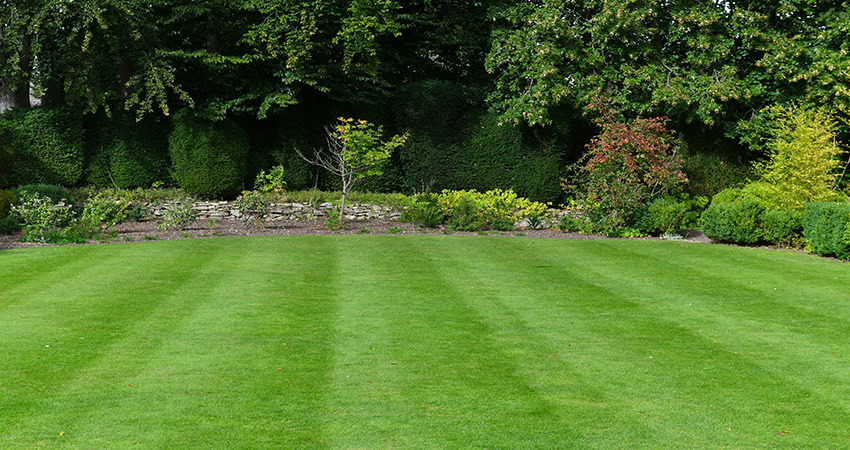
You start feeding after the lawn has fully greened up, not before. In the Triangle that is usually May, once soil temperatures are steady in the mid-60s and the lawn has turned about half green on its own. Feeding earlier does not wake the grass up faster. It just hands nitrogen to the winter weeds that are still hanging on.
From there you feed through the summer growing season and take your last nitrogen application in August. The window is short and specific: late spring through late summer. NC State’s Piedmont schedule lands nitrogen in May, June, and August for a basic program, and adds April and July for a heavier one. Everything outside that window is a mistake for warm-season turf. This is the single biggest difference between Bermuda and tall fescue, which is a cool-season grass fed in fall — our guide on how to fertilize tall fescue runs the opposite schedule. If you have both grass types on one property, they are on opposite schedules, and treating them the same is how lawns get hurt.
How much nitrogen does Bermuda grass need?
Bermuda is a hungry grass. NC State sets the annual nitrogen target for the Piedmont at 3 pounds of actual nitrogen per 1,000 square feet for a basic program and up to 6 pounds for a high-input, show-lawn program. Those numbers are the total for the whole year, not a single application.
The way you hit that number is by splitting it. You apply roughly one pound of actual nitrogen per 1,000 square feet at a time, spaced about a month apart across the growing season. A basic program is three feedings; a high program is five or six. Splitting the nitrogen keeps growth steady, keeps color even, and avoids the surge-and-crash you get from dumping it all at once. It also protects your soil and the creeks downstream, which matters in our clay.
One caution on the word “actual.” A bag of 16-4-8 is 16 percent nitrogen, so it takes a bit over six pounds of that product to deliver one pound of actual nitrogen. Always read the first number on the bag and do the math, or you will badly over- or under-apply.
Why does a soil test come before fertilizer?
Because fertilizer only works if the soil chemistry lets the grass use it. Bermuda wants a soil pH between 6.5 and 7.0. Our native red clay in the southern Triangle trends acidic, and when pH drops the nitrogen you paid for gets locked up and partly wasted. You can spread a perfect schedule onto sour soil and still get a thin, pale lawn.
A soil test is cheap and, in North Carolina, free through the NC Department of Agriculture for most of the year. It tells you your exact pH and which nutrients you are short on, so you are correcting a real problem instead of guessing. NC State recommends testing every two to three years. If the test calls for lime to raise pH, that is a separate job with its own timing, and we cover it in our guide on soil pH and lime. Get the pH right first. Everything after that works better.
What is the nitrogen, potash, and iron plan?
Think of Bermuda feeding in three parts.
Nitrogen is the growth and green driver. It is what the pound-per-1,000 schedule above is delivering, and it is what makes Bermuda thicken and fill in through summer.
Potash, the potassium in the third number on the bag, is the toughness nutrient. It helps Bermuda handle heat and drought stress in July and August and helps it harden off going into fall so it survives winter better. A late-season feeding that leans on potash rather than nitrogen sets the lawn up for dormancy without pushing tender new growth into the first frost.

Iron is the color trick the pros use. Iron gives Bermuda a deep, dark green without forcing a flush of growth, so you get the look without extra mowing. The color response shows up within days and typically lasts two to four weeks, which is why iron is often applied between the nitrogen feedings to hold color through the summer. It will not fix a real nitrogen shortage, but on a properly fed lawn it is the difference between green and striking.
What is the month-by-month feeding schedule?
Here is a Triangle-specific plan built on NC State’s Piedmont numbers. Rates shown are actual nitrogen per 1,000 square feet.
A basic program feeds in May, June, and August. A high program adds April and July. Either way, August is the hard stop for nitrogen. This is a home-lawn framework, not a tank recipe. The exact products, rates, and timing we run on our clients’ lawns are dialed to each property’s soil test, and that is what our program is for.
Month | What to feed | Why |
|---|---|---|
March – April | Nothing (soil test, correct pH) | Grass is dormant or just greening; nitrogen now feeds weeds |
May | Nitrogen, ~1 lb | Lawn is fully green and growing; first real feeding |
June | Nitrogen, ~1 lb | Peak growth; iron between feedings for color |
July | Nitrogen, ~1 lb (high program) | Peak growth; potash helps with heat and drought |
August | Nitrogen, ~1 lb (final N of year) | Last nitrogen feeding of the season |
September | Potash, no nitrogen | Hardens the lawn for winter without pushing growth |
October – February | Nothing | Grass is going dormant or dormant; no feeding |
Why should I never fertilize dormant Bermuda?
Because dormant Bermuda cannot use nitrogen, and the nitrogen does not just sit there and wait. Once soil temperatures fall and the lawn goes brown for winter, the grass has shut down. Feeding it in late fall or winter does nothing for the Bermuda and everything for the cool-season weeds, which are wide awake and thrilled to take the free meal.
There is a second reason, and it is the important one for our winters. A late nitrogen application can push a flush of tender growth right before a hard freeze, and that soft growth is exactly what winter-kills. NC State is explicit: avoid late fall and winter nitrogen on warm-season grasses to reduce winter injury. When your Bermuda is brown, leave the spreader in the garage.
Can I do this myself, or should I call a pro?
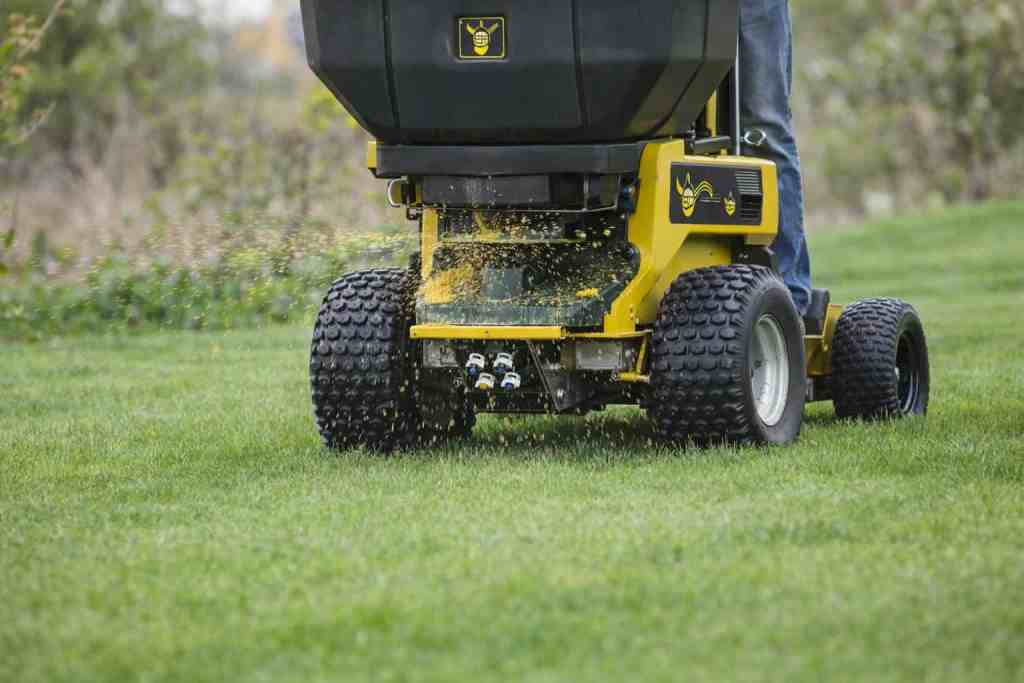
Plenty of homeowners feed Bermuda well on their own. If you are comfortable reading a fertilizer label, calibrating a spreader, doing the actual-nitrogen math, and staying on the May-through-August window, you can get real results with a bag from the store and a soil test in hand. That is an honest DIY job.
Where people get into trouble is the parts that are easy to get wrong and expensive to fix: applying too early and feeding weeds, spreader stripes from an uncalibrated push spreader, chasing color with more and more nitrogen when the real problem is low pH or a missing iron application, and feeding two grass types on one property as if they were the same. That is where a program earns its keep.
We are a turf-management company with a background in turf and environmental biology, not just another landscaper, and we are licensed by the state of North Carolina to apply herbicides and pesticides on turf and ornamental plants such as shrubs and trees. We build the feeding schedule off your soil test, time it to your grass, and fold in weed control so you are not fighting the lawn and the weeds separately. If you would rather not think about any of it, that is what our lawn fertilization service and our Bermuda and Zoysia maintenance plans are for.
Ready for a Bermuda lawn that looks fed all summer?
Feeding Bermuda right is about timing, rates, and getting the soil chemistry underneath it correct, and it is easy to lose a whole season to one wrong step. We build the schedule off your soil test, time it to your grass, and handle weeds and color in the same plan so you get an even, deep-green lawn without the guesswork. See our lawn fertilization service, and to get started, call or text (984) 284-5399.
Frequently Asked Questions
Ready for a Bermuda Lawn That Looks Fed All Summer?
We build the Bermuda feeding schedule around a soil test and your lawn — the right nitrogen at the right time, plus potash and iron for color and stress tolerance. Call or text (984) 284-5399 for your Bermuda program.
