

How to Fertilize Zoysia Grass (Don’t Overfeed)
By Ken Erickson · Updated August 2026
Key Takeaways
- Zoysia needs less nitrogen than most people think — roughly 2 to 3 pounds of actual nitrogen per 1,000 square feet a year on Piedmont clay, split into a few light feedings.
- Overfeeding is the number-one Zoysia mistake. It drives thatch and large patch disease, the two problems I get called out to fix most.
- Feed only during active growth — late spring through mid-August — then stop. Never fertilize dormant Zoysia.
- Soil test and pH first. Zoysia wants a pH of 6.0 to 6.5, and no bag of fertilizer fixes acidic clay.
- Think nitrogen, potash, and iron — nitrogen to grow, potash for hardiness and disease resistance, iron for color without pushing growth.
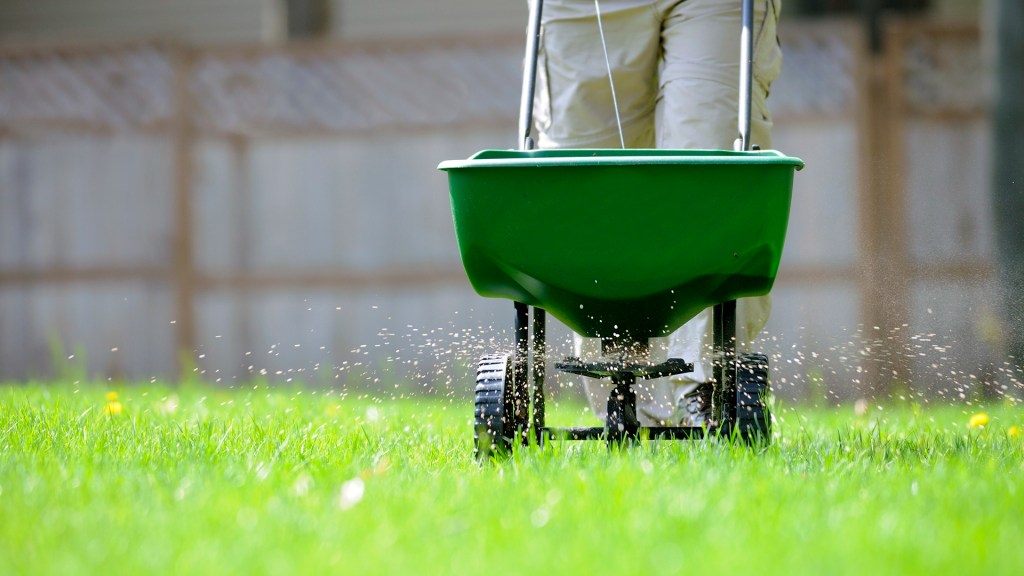
How much nitrogen does Zoysia actually need?
Zoysia is a low-to-moderate feeder. NC State’s Carolina Lawns guidance puts Piedmont Zoysia at about 1 to 3 pounds of actual nitrogen per 1,000 square feet per year, depending on the cultivar — Emerald and Meyer on the lower end, newer cultivars a bit higher. Clemson lands in the same window, 2 to 4 pounds, and adds a rule that matters here: use the lower rate on clay soils, the higher rate on sand. The Triangle sits on heavy red clay, so most lawns here belong at the bottom of that range — call it 2 to 3 pounds a year, no more.
That is the whole point. A pound of nitrogen per 1,000 square feet at a single feeding is a real dose. Two or three of those across a growing season is a healthy Zoysia lawn. People who put down “a bag every few weeks” are often applying double what the grass can use, and Zoysia does not reward you for it — it punishes you.
Warm-season grass is not fescue. Fescue is a cool-season grass that does most of its feeding in fall. Zoysia and Bermuda feed in the heat of summer — see how to fertilize Bermuda grass for its heavier appetite, and how to fertilize tall fescue for the cool-season opposite. If you are running a fescue lawn on the same schedule, or reading a national article that assumes fescue, throw the timing out.
When should I fertilize Zoysia grass in NC?
Feed Zoysia only when it is actively growing, which in our zone (7b–8a) means from full green-up in late spring through about August 15, then you are done for the year. Here is the schedule I use for Triangle Zoysia.
Notice there is no nitrogen after mid-August and none in early spring. Feeding too early pushes tender growth that a late frost burns; feeding too late in the season stops Zoysia from hardening off and sets up disease and winterkill. For the month-by-month picture across both warm-season grasses, our Bermuda and Zoysia lawn care schedule for NC lays it all out.
| Month | Feeding | Nitrogen rate | Notes |
|---|---|---|---|
| March–April | None | 0 | Green-up. Wait until the lawn is fully green, not just waking up. |
| Late May | Feed | ½–1 lb N / 1,000 sq ft | First feeding, after full green-up. |
| Late June–early July | Feed | ½–1 lb N / 1,000 sq ft | Peak growth. Use a fertilizer with potash (e.g. 15-0-15). |
| By August 15 | Feed | ½–1 lb N / 1,000 sq ft | Last nitrogen of the year. Potash matters here for winter hardiness. |
| September–December | None | 0 | No nitrogen. A fall potash-only application is fine. |
Why does overfeeding Zoysia cause thatch and disease?
Two reasons, and they are the two service calls I get most on Zoysia.
Thatch. Zoysia already produces a dense mat of stems and runners. Push it with extra nitrogen and it grows faster than it can break down, building a spongy thatch layer above the soil. NC State notes Zoysia “can become thatchy” when it is heavily fertilized, to the point of needing dethatching every couple of years. Thatch holds moisture against the crown, blocks water and fertilizer from reaching the roots, and turns into a disease incubator.
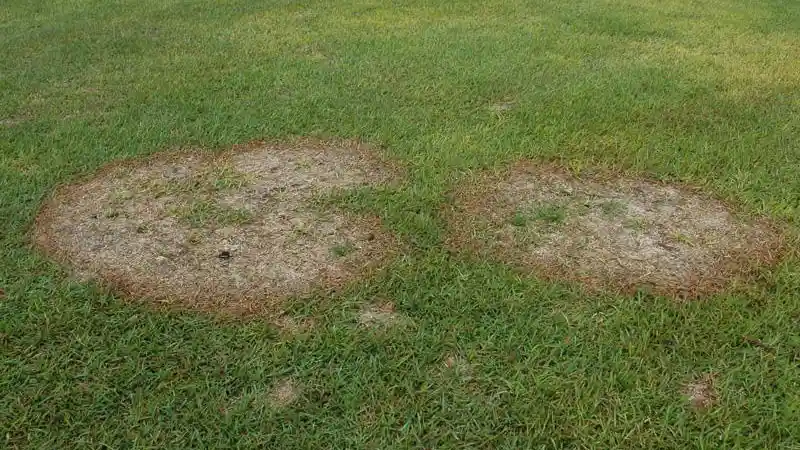
Large patch. This is the big one. Large patch is a fall-through-spring fungal disease of warm-season grasses — Zoysia, Bermuda, centipede, St. Augustine — and lush, over-fertilized, over-watered turf is exactly what feeds it. It shows up as circular brown patches, sometimes several feet across, right when the lawn is greening up or going dormant. The single most effective thing you can do to prevent it is to stop overfeeding and cut off nitrogen by mid-August. (Do not confuse this with brown patch, which is a summer disease of tall fescue — different grass, different season.)
That is the honest reason a premium program feeds Zoysia lightly. We are not being stingy. We are keeping the lawn out of the two conditions that wreck it.
Should I test my soil before fertilizing?
Yes, before you buy a single bag. A soil test tells you your pH and what nutrients you actually lack, so you stop guessing. Zoysia performs best at a pH of 6.0 to 6.5. Our red clay tends to run acidic, and below that range the grass cannot take up the nutrients you are applying — you are feeding a lawn that can’t eat. In North Carolina, the NCDA&CS soil lab tests residential samples for free most of the year (a small fee applies in the peak winter window), and your county Extension office has the boxes and forms.
If the test calls for lime, apply it based on that number — not on a guess. We cover the how and why in soil pH and lime, and if you would rather check it yourself first, here is how to test soil pH at home. Get the pH right and your fertilizer does far more with far less.
What about potassium and iron?
I frame every warm-season feeding around three things: nitrogen, potash, and iron.
Nitrogen (the N) grows the grass. It is the one everyone overdoes.
Potash (potassium, the K) is the one everyone forgets, and it is the most important nutrient in the back half of the season. Potassium builds cold hardiness and disease resistance, which is why the late-June and mid-August feedings should use a fertilizer with real potassium in it — something like a 15-0-15. Clemson recommends a fall potash-only application four to six weeks before the first frost, and on lawns with a history of large patch or winterkill, that is money well spent.
Iron is how you get deep color without pushing growth. This is the pro move on Zoysia. If the lawn is a little pale but you have already hit your nitrogen for the season, do not reach for more nitrogen — apply chelated iron or ferrous sulfate. Iron greens the lawn for two to four weeks with no extra top growth, no extra thatch, and no disease risk. It is exactly the tool for a July lawn that looks light but doesn’t need feeding. You can read our full approach on the lawn fertilization page.
Why shouldn’t I feed dormant Zoysia?
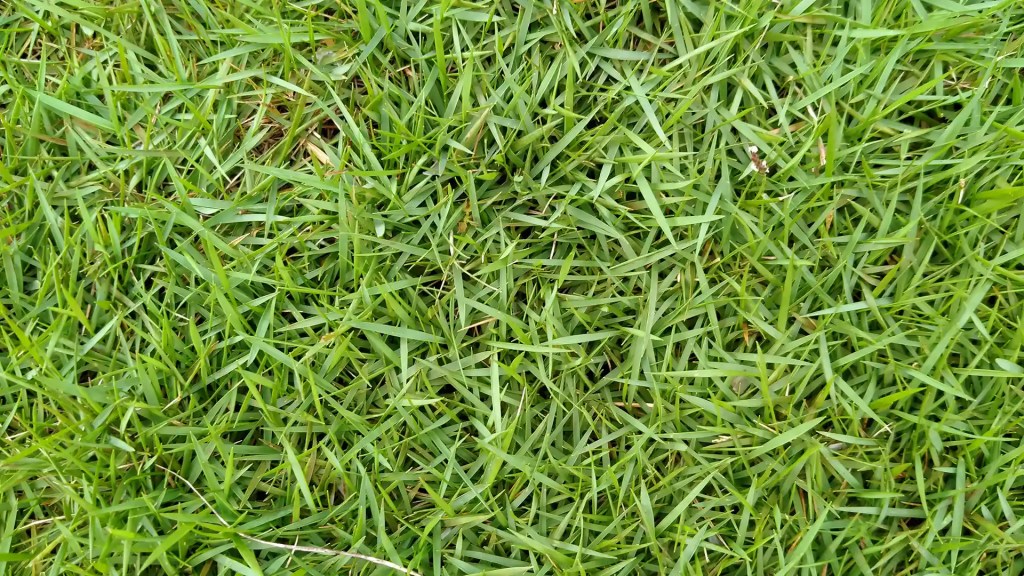
Because dormant grass can’t use it. Once Zoysia browns out and goes dormant for winter, it isn’t growing, so any nitrogen you apply either washes away — into the storm drain and eventually the creek — or, worse, encourages a flush of tender growth on a warm winter day that the next freeze kills. Late-season and dormant-season nitrogen is one of the most reliable ways to invite winterkill and a bad case of spring large patch. When the lawn is brown and asleep, leave it alone. The next feeding is late May.
When can I DIY this, and when should I call a pro?
I will be straight with you. Buying a bag of the right analysis, calibrating your spreader, and putting down a measured pound of nitrogen at the right time is absolutely a DIY job. If you soil test, respect the calendar, and stop at mid-August, you can keep a Zoysia lawn healthy yourself.
Where people get in trouble is dosing by eye, chasing color with more nitrogen, and skipping the soil test — which is how the thatch and large patch start. Our complete NC fertilizing guide covers the same math across grass types. It is also where a program earns its keep: getting the rate right for your specific soil, timing potash and iron correctly, and catching large patch early with a licensed fungicide before it spreads. Lawn Panther is a weed-control and turf-management company with a background in turf management and environmental biology — not just another landscaper. We are licensed by the state of North Carolina to apply herbicides and pesticides on turf and ornamental plants such as shrubs and trees, and we build the feeding program around your soil test, not a generic bag rate. If your Zoysia is thatchy, aeration helps too — see lawn aeration and how to aerate and top dress a Bermuda or Zoysia lawn.
Get your Zoysia on the right program
If you would rather not chase rates, timing, potash, and iron yourself — or your Zoysia is already thatchy or showing large patch — we build the feeding around your soil test and your grass, not a generic bag rate. Take a look at our Bermuda and Zoysia lawn maintenance plans, or get a super fast quote. To get started, call or text (984) 284-5399.
Frequently Asked Questions
Get Your Zoysia on the Right Program
Zoysia rewards restraint — a light, well-timed feeding beats a heavy one every time. We build the schedule off a soil test and keep thatch and disease in check. Call or text (984) 284-5399 for your Zoysia plan.
